Is November a good time to visit Morocco?
November is an excellent month for a journey that gives the Moroccan Sahara real attention. Autumn is a recommended season for desert travel according to the Moroccan National Tourist Office, and the strongest advantage is the ability to spend more of the day outdoors than in midsummer. You can walk in a medina, stop in the Draa Valley and arrive at a camp without treating every afternoon as a heat emergency. That does not mean the whole country shares a mild climate. November is a transition toward winter, especially after sunset and in the north and mountains.
The key decision is the shape of the journey. For a first visit of one week, choose Marrakech and one southern route, or Marrakech with a coastal break, instead of trying to connect every famous city. With ten to fourteen days, you can add Fes, a longer desert stay or Atlantic time. Build in a night on the road toward the Sahara, because the Atlas crossing and southern valleys are interesting places in their own right. A frantic return drive reduces the benefit of choosing a comfortable month.
We use this guide to decide where to go, how many days to allow and which layers to pack. Weather descriptions are seasonal tendencies, not forecasts for particular November dates. Check the current conditions for each location shortly before departure, especially for mountain passes, hiking and remote desert routes. The official Moroccan tourism climate guide is a useful starting point, while our weather by region guide explains why a single national temperature is misleading.
Weather by region: the practical November comparison
Marrakech can feel pleasantly warm in the sunshine yet noticeably cooler after dark. Fes and the north have a more autumnal rhythm, with a greater chance of rain. Essaouira has a maritime climate, so wind and cloud matter as much as the temperature on your phone. Agadir can be attractive for a mild coastal finish, though comfortable beach walking does not guarantee warm swimming water. The High Atlas is a separate weather decision: a city forecast cannot tell you what a high pass or village trail will feel like.
The Sahara is also a place of contrasts. Sun exposure can remain strong during a daytime walk while an evening at camp and a departure before sunrise require warm clothing. M'Hamid and Erg Chigaga sit on a different route from Merzouga and Erg Chebbi; do not assume that the same forecast, camp equipment or transfer plan applies to both. Ask your guide about the exact camp location, driving approach and walking stages. If strong winds or rain are expected, the local team should adjust the plan.
A useful November suitcase has layers rather than a single seasonal identity. A breathable daytime shirt, a fleece, a light insulating layer and a wind or rain shell cover more situations than packing only summer clothing or one heavy coat. Check the national meteorological service close to departure for forecasts, and distinguish a long-term climate description from the actual weather you will encounter.
Marrakech in November: plan the day around light

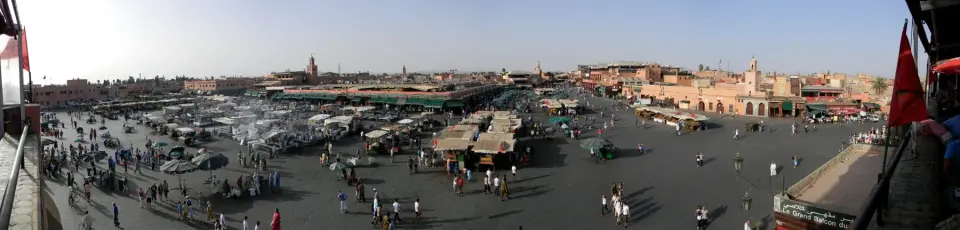
Marrakech is often a good November base because sightseeing no longer depends on avoiding the worst summer heat. Walk the medina in the morning, take an unrushed lunch, then return to the gardens or monuments before daylight fades. An evening around Jemaa el-Fna can still be lively, but a rooftop dinner may call for a jacket. The city's official destination page introduces its medina, gardens and neighborhoods; opening times for individual sites should be checked before your visit.
Spend two or three usable days if it is your first time in Marrakech. One arrival evening is not a full day: airport transfers, orientation and fatigue take time. A short guided walk can help you understand the medina's craft areas and major landmarks without turning the whole trip into a schedule. Leave room to revisit a place you liked, stop for tea or sit in your riad courtyard. November's gentler daytime conditions are an opportunity to slow down rather than add more appointments.
If the desert is the main reason for the trip, decide whether an Atlas day excursion belongs before or after the southern journey. You will cross the mountains on many Sahara routes already. An extra excursion can be excellent for walking or village time, but it should serve a different purpose. Likewise, Agafay is a rocky landscape near Marrakech; it is not a substitute for the distant Saharan dunes. The distinction matters when a package promises a desert night without explaining where it actually takes place.
The Sahara in November: camp night or walking trek?
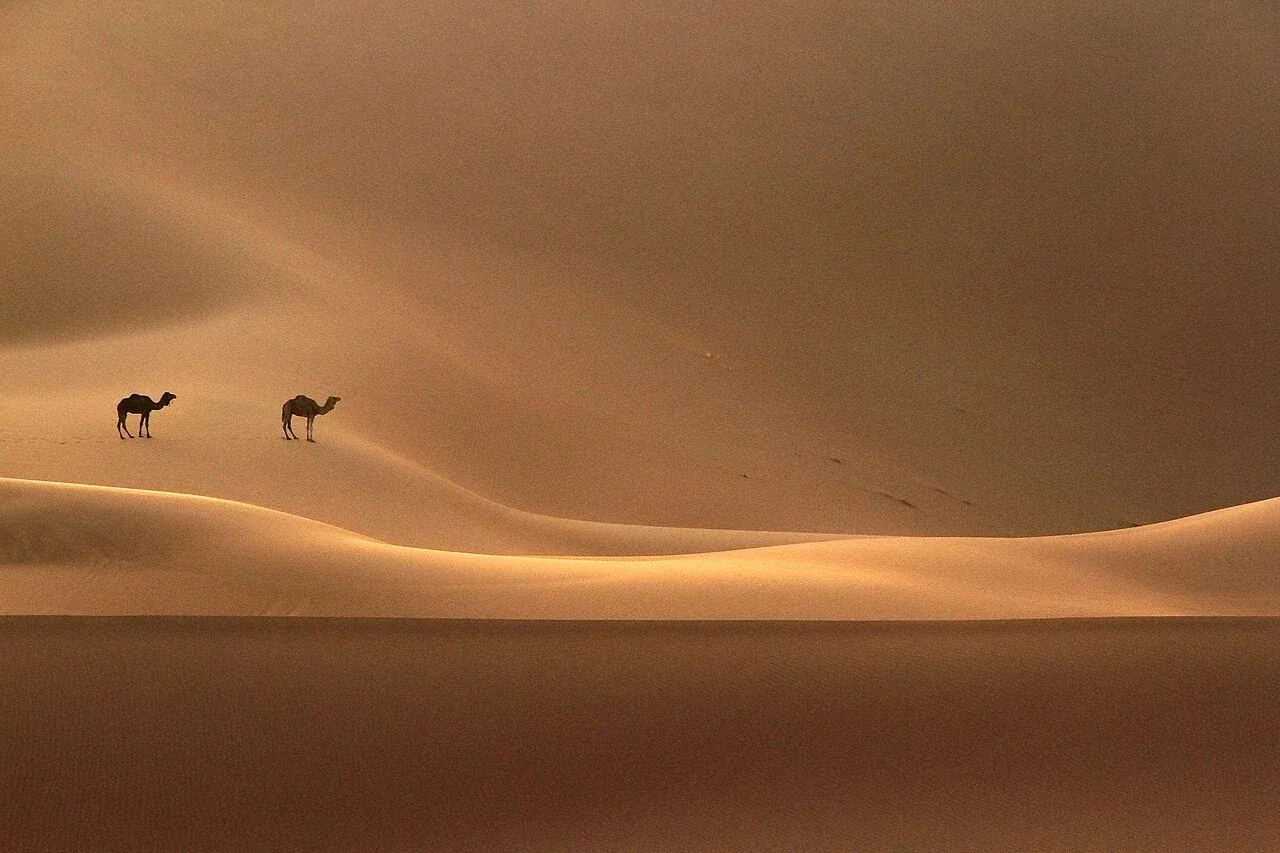
November is among the stronger practical months for a camp trip and for multi-day trekking. The national tourism office recommends autumn for the Sahara, and cooler daytime conditions make sustained walking easier to plan. Yet a one-night camp and a four-day trek are different commitments. A camp visit may include a drive, a short camel ride or walk, dinner and sunrise. A trek has repeated walking days, changing terrain, camp support and a pace set by the slowest comfortable walker. Read our trek versus tour guide before choosing by the photograph alone.
From Marrakech toward M'Hamid, the route often runs via Ait Ben Haddou, Ouarzazate and the Draa Valley. Erg Chigaga usually involves an additional off-road approach or a walking itinerary with local support. Merzouga, by contrast, gives access to the Erg Chebbi dunes and suits routes through eastern southern Morocco. Both can be rewarding in November. Choose based on road direction, days available, walking interest and the kind of camp you want rather than claiming that one is universally better.

Ask what happens after sunset. Is the sleeping accommodation a fixed tent, a private tent or a mobile trekking camp? Are blankets supplied, and is an additional sleeping bag recommended for your dates? Is a toilet attached to the tent, shared or absent on a mobile trek? What is the plan if someone prefers to ride or shorten a walking stage? These practical questions affect comfort much more than the word “luxury.” For deeper walking, our best time for a desert trek explains how season changes the day.
Atlas mountains and southern roads: keep the margin
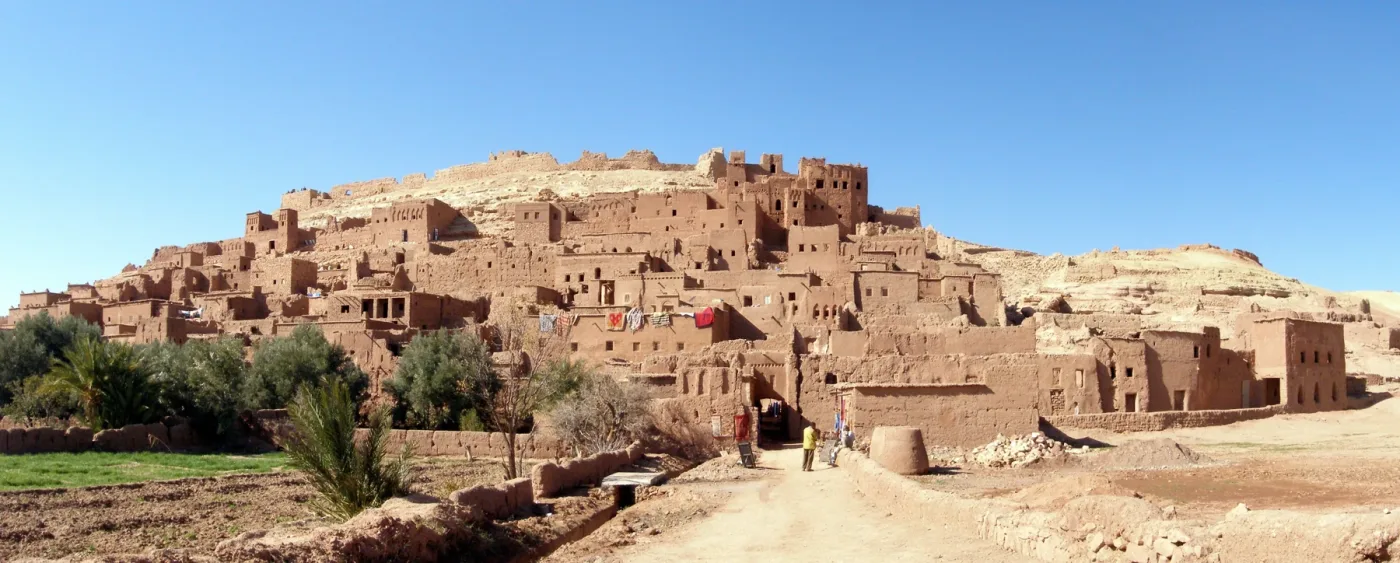
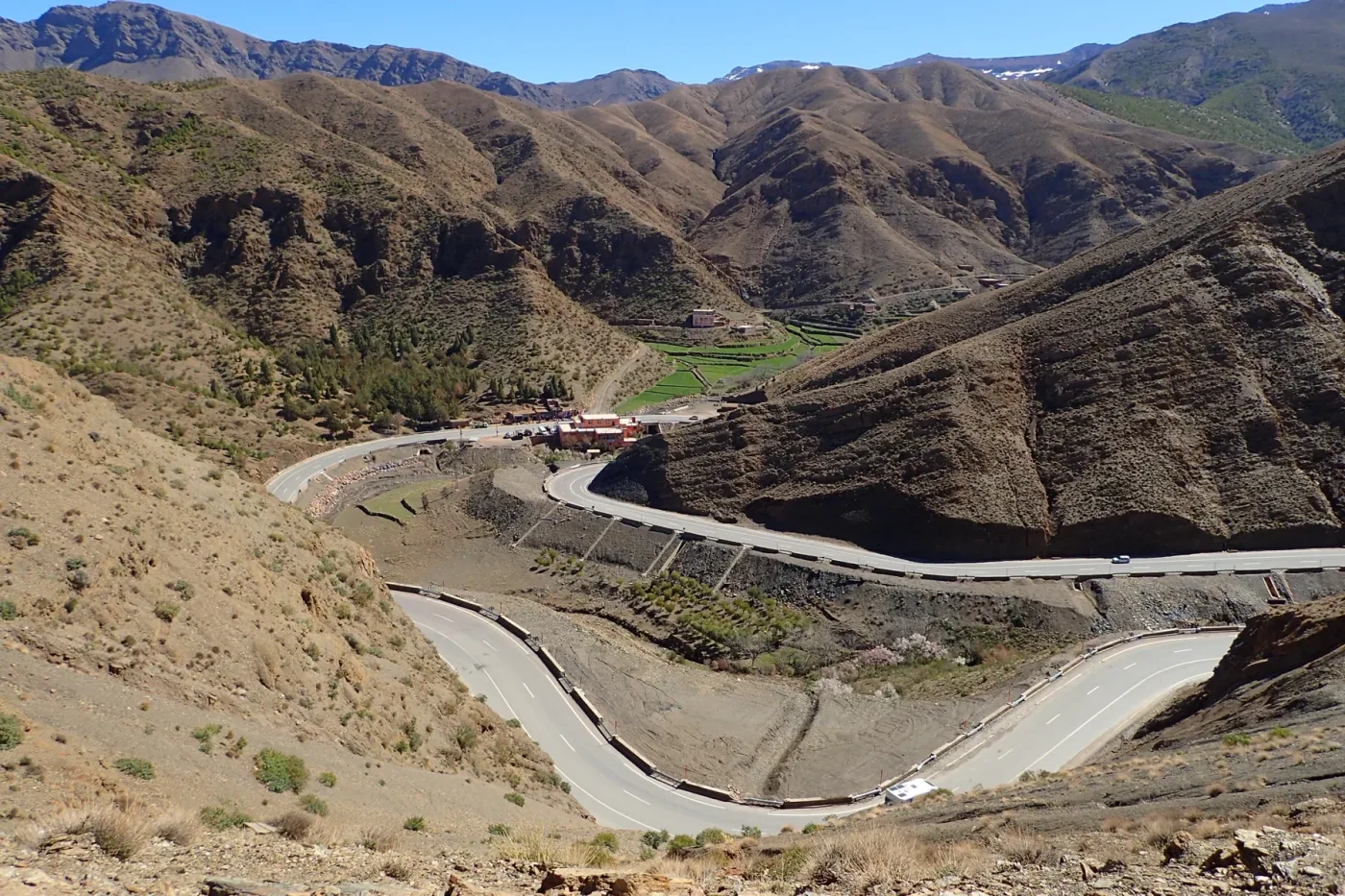
A November itinerary from Marrakech to the Sahara crosses more than a line on a map. The High Atlas, Ait Ben Haddou, Ouarzazate and the Draa Valley give you architecture, mountain scenery and different local rhythms before you reach sand. UNESCO describes the Ksar of Ait Ben Haddou as an example of southern Moroccan earthen architecture and a historic stopping point on a trading route. It merits time for a walk rather than a photograph through a vehicle window.
Daylight becomes shorter as winter approaches. Plan important outdoor stops for the earlier part of the day and avoid building a schedule that depends on racing a sunset. Mountain road conditions can change with weather, so a trustworthy itinerary makes room for delays and uses an experienced driver. A drive that looks manageable on a map can take much longer once you include viewpoints, lunch, traffic and the slower approach to an off-road camp. The better question is not only how many kilometers but how many useful hours remain after arrival.
For a three-day desert journey from Marrakech, expectations must be modest: much of the time is on the road. Four or five days make it easier to enjoy the valleys and at least one genuine desert evening. If you want several walking stages, add enough days for the trek itself and for the return route. Our Marrakech to Sahara guide lays out the route choices in more detail. Ask for a daily timetable with overnight locations before booking.
Fes, Chefchaouen and the north: allow for autumn rain
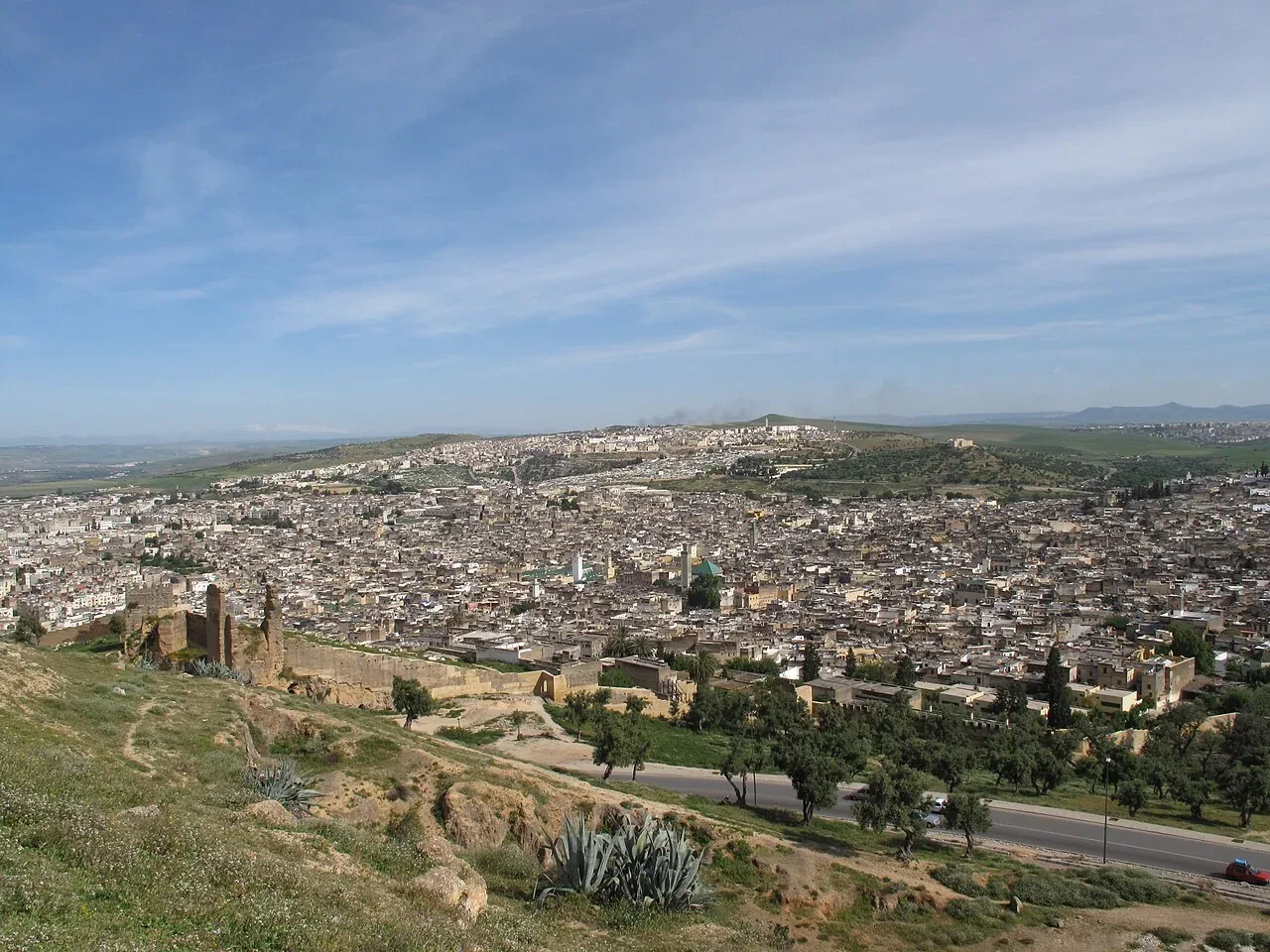
Fes rewards travelers who enjoy craft, architecture and a dense living medina. November can be comfortable for long walks, although northern and inland conditions can be cooler and wetter than the image of a sunny Moroccan holiday suggests. Pack shoes with grip for polished lanes and keep a thin waterproof layer accessible. If the forecast shows rain, a shorter guided medina visit paired with indoor craft or museum time may work better than an all-day walking plan. Our Fes duration guide can help set the pace.
Chefchaouen, Tangier and Rabat each add something different, but moving between all of them consumes days. Tangier works naturally for arrivals from the north; Rabat brings a capital-city stop; Chefchaouen asks for slower travel into the Rif. The surrounding hills may feel colder and wetter than Marrakech. If you have seven days and the Sahara is essential, a sweeping northern loop is usually a poor fit. With two weeks, it becomes more plausible if you accept longer transfer days or an open-jaw journey.
It is tempting to sell November as a guaranteed crowd-free secret. That would be misleading: demand changes with holidays, flights and local events, and the most suitable rooms or private guides can still book out. Reserve the elements that shape the route, then leave small daily decisions flexible. Check opening hours and road conditions as your dates approach. A good itinerary handles a wet afternoon without treating it as a ruined day.
Essaouira and Agadir: choose the coast for the right reason
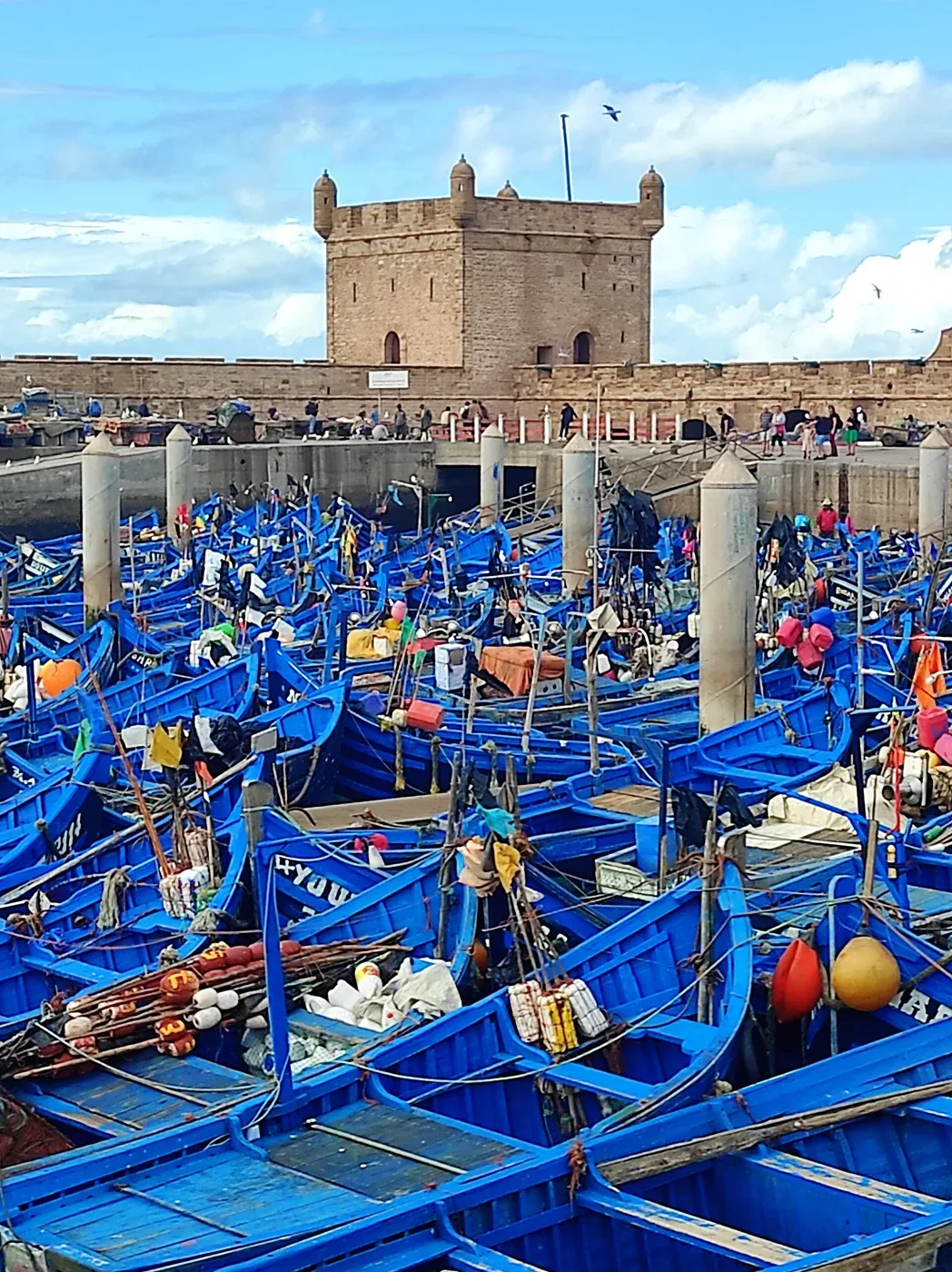
Essaouira offers a compact medina, working fishing harbor and Atlantic air after the intensity of Marrakech or a southern circuit. November can be pleasant for strolling, seafood and photography, but wind is part of the experience. Carry a layer that blocks it. A sunny afternoon does not tell you whether the sea is comfortable for swimming. If the beach is the main objective, look at current marine conditions and the type of beach stay you actually want. The official Essaouira destination page is a useful introduction to the city.
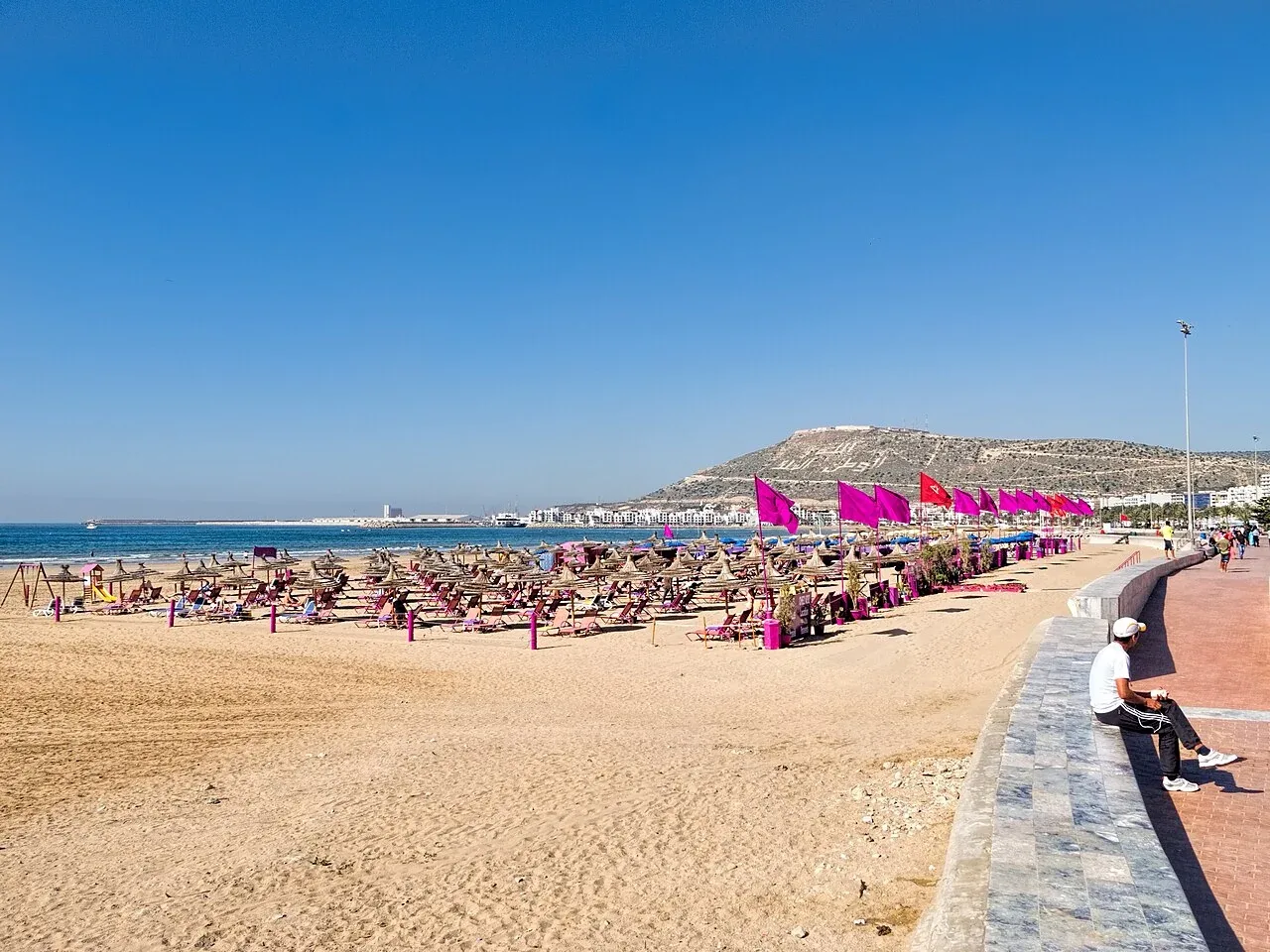
Agadir serves a different traveler: someone who wants broader beach infrastructure, hotel facilities or an easier relaxed ending. Neither coast should be inserted as a rushed extra stop simply to make the route appear complete. Marrakech to Essaouira can work as a return trip or one-night continuation. Agadir can fit a southern coastal circuit or a departure from its own airport. Check actual flight options for your travel dates before designing the route around an imagined connection.

A day trip to Essaouira from Marrakech is possible, but the return drive uses much of the day. One night gives you evening and morning light, and two nights allow rest or a planned activity. Our day trip versus overnight comparison explains the trade-off. In November, leave a little freedom for the weather: a windy beach walk can be exchanged for medina lanes, galleries and a longer lunch without losing the point of the visit.
Seven, ten or fourteen days: sample November routes
Seven days is enough for one coherent theme. A city-and-coast route could spend three nights in Marrakech, two in Essaouira and one or two near the departure city. A desert-focused route could use two Marrakech nights, one near Ouarzazate or the Draa Valley, one or two in or near the dunes, and the remaining nights on the return. These are examples, not fixed promises. Start with arrival time and airport, then count hotel nights and realistic driving days. A three-day Sahara dash inside a seven-day holiday may be possible but can leave very little time in either place.
Ten days opens a better southern loop. Begin with two nights in Marrakech, continue across the Atlas to an overnight near Ait Ben Haddou or Ouarzazate, travel through the Draa Valley, spend two nights around M'Hamid and Erg Chigaga, then return with another stop rather than repeating the longest road day in one stretch. Alternatively, choose Merzouga and route through the Todra and Dades region. Add a final Marrakech or coastal night only if it fits transport and your interests.
Fourteen days can combine Marrakech, Fes and the Sahara with more breathing room, or devote several days to walking in the south and a quieter Atlantic ending. The crucial rule is to avoid mixing both major dune regions merely to tick boxes. Each has a distinct approach and the transfer between them is substantial. If you request a private proposal, share your arrival and departure airports, desired walking level, room expectations and non-negotiable stops. That lets the route reflect your trip instead of forcing your trip into a generic template.
Packing, budget questions and booking details
For cities, bring comfortable closed walking shoes, breathable layers and one warmer top. For the coast and northern destinations, add a light rain or wind shell. For the mountains, ask about altitude and the exact trail before choosing footwear. For the desert, take a hat, sunglasses, sun protection, a refillable bottle and a warm layer for camp and dawn. A small bag for the overnight stay is easier than unpacking your main case in sand. If walking for several days, follow a guide's equipment list and test your shoes beforehand.
A November quote needs detail. Check vehicle type, guide language, pickup location, road stops, meals, entrance fees, camp style, bedding, bathrooms, walking duration, camel or 4x4 support and return arrangements. An attractive headline price can cover quite different experiences. Ask which items are optional and what changes if weather alters the plan. You should understand how much of each day is spent in transit and how much is actually spent at the destination.
If you want help turning these choices into one route, we can map the journey around your dates and interests. A traveler seeking medinas, a couple wanting a comfortable camp and a group planning several walking stages need different November itineraries. Send us the trip length, gateways and priorities; we can propose a realistic day-by-day plan with the included services spelled out. That makes the next step useful even if you are still deciding whether the Sahara or the coast should receive more time.