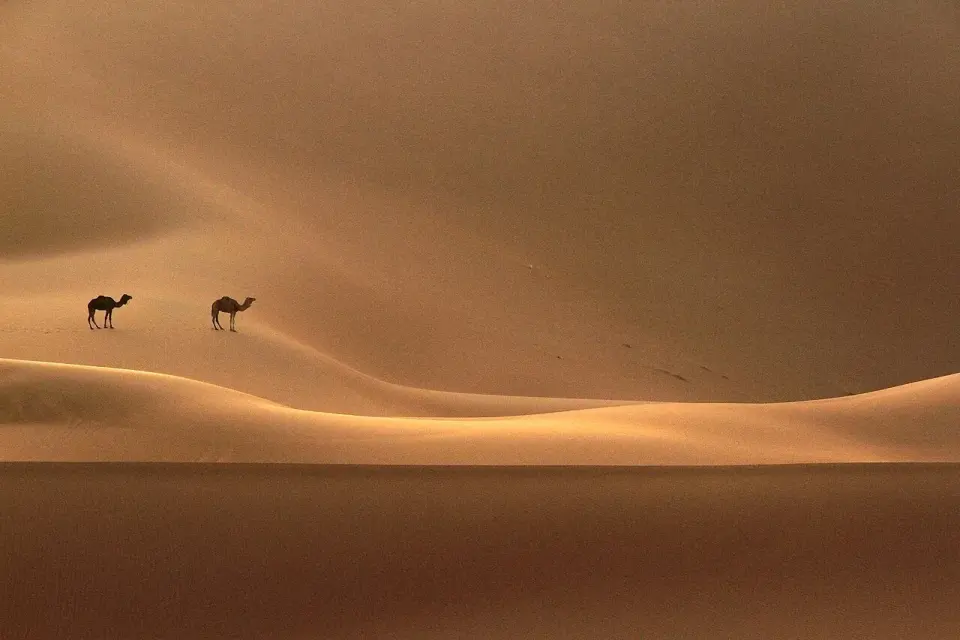
Marrakech Is More Than a City
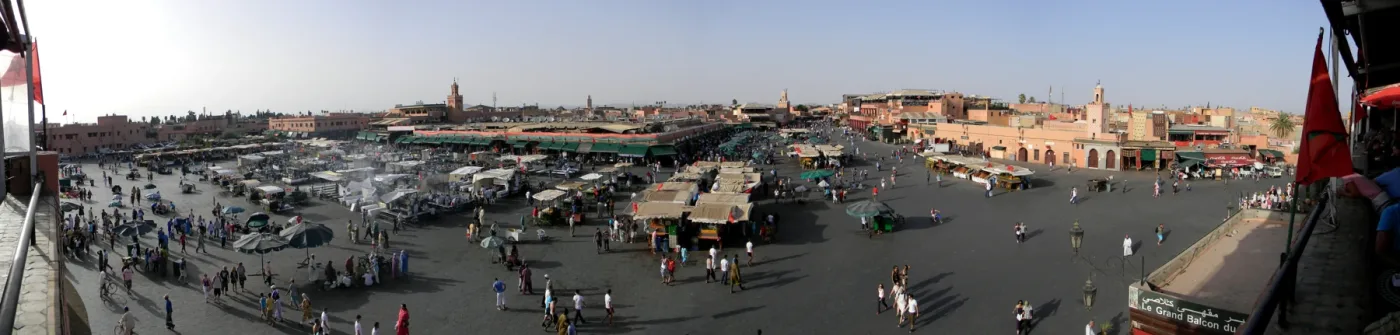
Many travelers begin their Morocco journey in Marrakech.
They arrive with images in their mind: red walls, souks, spices, gardens, rooftops, riads, lanterns, carpets, mint tea, and the movement of Jemaa el-Fna. Marrakech is powerful. It has energy. It has color. It has history. It has noise and beauty together.
But Marrakech is not the whole Morocco.
For me, Marrakech is a gateway.
It is the place where many journeys begin, but the real depth often starts when you leave the city and follow the road toward the mountains, kasbahs, valleys, and Sahara.
This is why a Marrakech to Sahara Desert tour should not be treated like a fast transfer. The road itself is part of the experience. You do not simply leave Marrakech and arrive in the desert. You pass through different worlds.
You cross the High Atlas Mountains. You see villages built into the slopes. You enter the land of kasbahs and old caravan routes. You pass Ouarzazate, palm valleys, dry landscapes, and southern towns. Then slowly, the desert begins to appear.
This transition is one of the most beautiful parts of Morocco.
If you rush it, you lose the story.
Why Many Marrakech Desert Tours Feel Too Rushed
One of the biggest mistakes travelers make is booking a desert tour from Marrakech without understanding distance.
A quick tour can look easy online. The title may say “Marrakech to Sahara Desert 2 Days” or “One Night Desert Tour From Marrakech.” The price may look attractive. The photos may show dunes, camels, sunset, and tents.
But the reality is often many hours of driving for a very short time in the desert.
The Sahara is not next to Marrakech. To reach real desert regions, the journey requires time. The road crosses mountains and southern landscapes. This is beautiful, but it also means the itinerary needs space.
A rushed tour often becomes: leave Marrakech early, drive for hours, stop quickly for photos, arrive late, take a camel ride, eat dinner, sleep, wake up early, and return.
For some travelers, this is enough because they only want a quick taste. But for travelers who dream of silence, stars, nomadic atmosphere, walking, tea, fire, and real desert rhythm, this can feel too fast.
The problem is not the desert.
The problem is the rhythm.
The Sahara gives more when you give it time.
The Road From Marrakech Is Part of the Experience
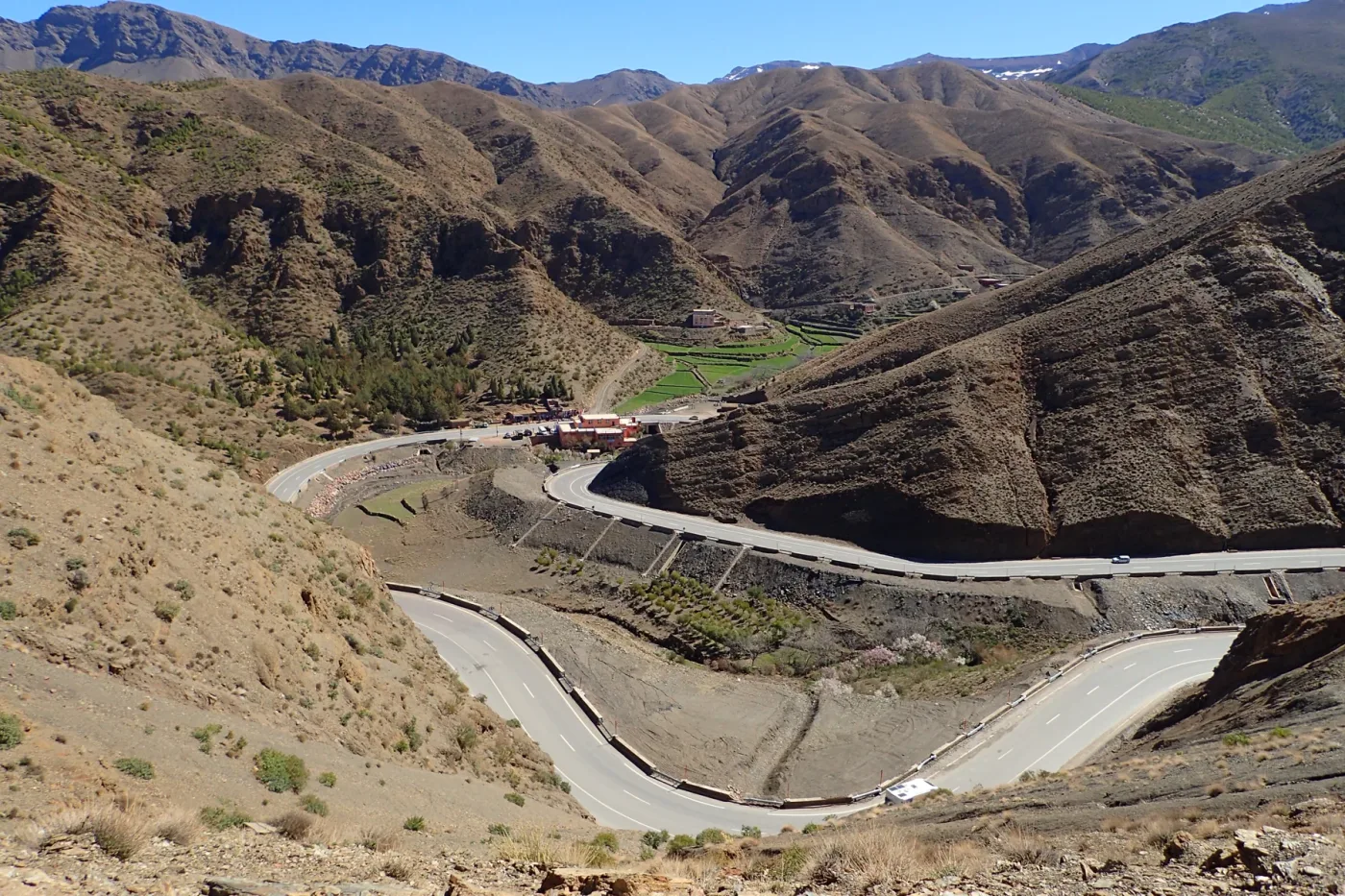
A good desert journey from Marrakech should make the road meaningful.
The first great change happens when you leave the city and begin climbing into the High Atlas Mountains. The air changes. The colors change. The road curves. Villages appear on the mountainsides. You begin to see that Morocco is not one landscape, but many landscapes connected together.
Then the journey usually continues toward Ait Ben Haddou, Ouarzazate, the Draa Valley, Zagora, M’Hamid, Erg Chigaga, or Merzouga depending on the route.
Each area adds something.
The Atlas Mountains bring height and village life. Ait Ben Haddou brings earthen architecture and history. Ouarzazate opens the gate to southern Morocco. The Draa Valley brings palms, old kasbahs, and oasis life. M’Hamid brings the feeling of the last village before the desert. Erg Chigaga brings space and wild Sahara atmosphere. Merzouga brings famous high dunes and classic desert images.
This is why I do not like treating the road as empty time.
The road is not only transport.
It prepares the traveler for the desert.
A strong itinerary allows stops, rest, local food, photos, and explanation. It gives the traveler time to understand how Morocco changes before the Sahara begins.

Choosing Between M’Hamid, Erg Chigaga, and Merzouga From Marrakech
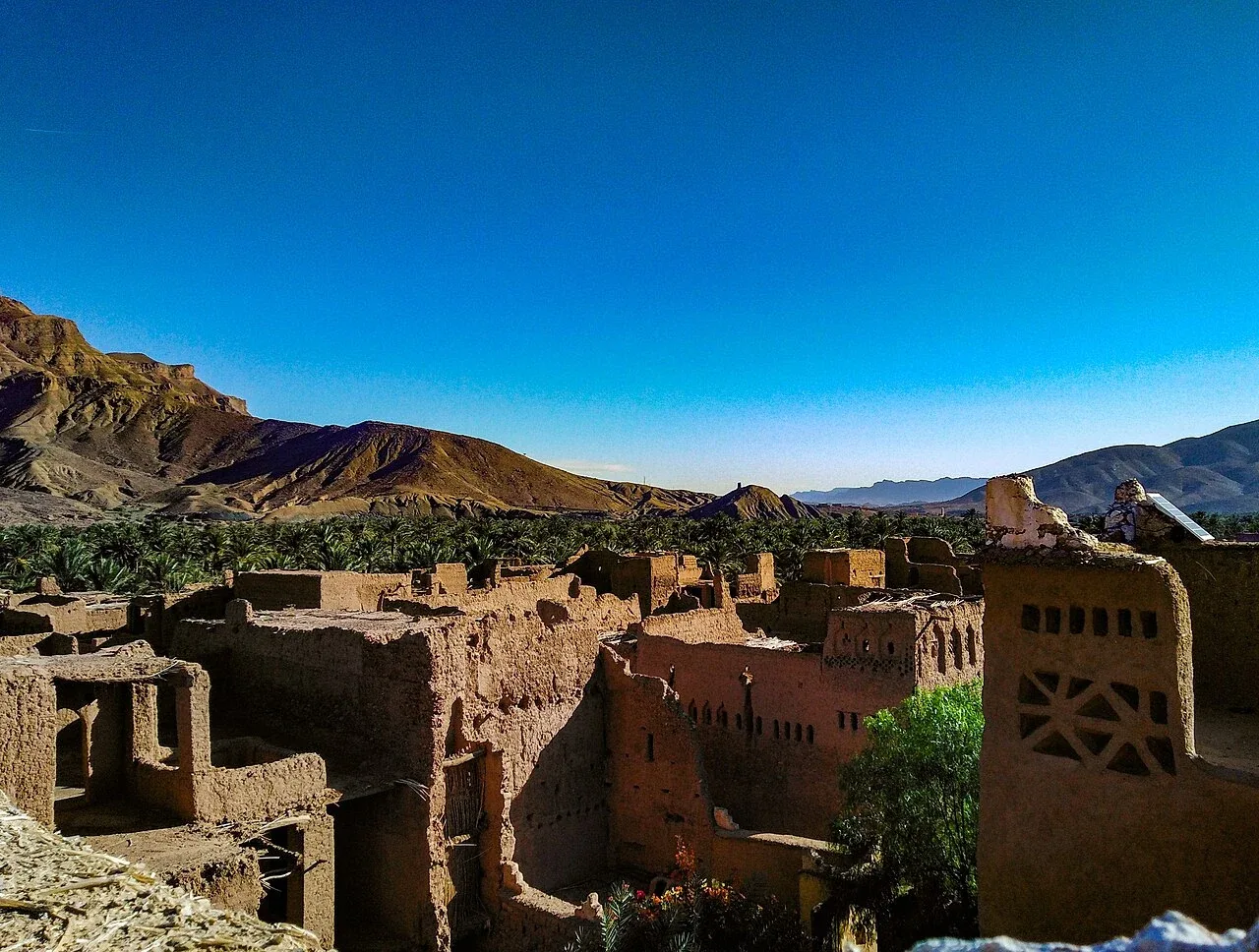
From Marrakech, travelers usually ask about three desert directions: M’Hamid, Erg Chigaga, and Merzouga.
Each one gives a different experience.
M’Hamid is one of the strongest gateways for real desert trekking. It feels quieter, more connected to nomadic atmosphere, and better for travelers who want walking, silence, and deeper Sahara feeling.
Erg Chigaga is powerful for travelers who want wider space and a wilder desert atmosphere. It is more remote and needs better planning, but that is part of its beauty.
Merzouga and Erg Chebbi are famous for high dunes and classic Sahara camp experiences. This route can be beautiful, especially for travelers who want dramatic dunes or who are connecting Marrakech with Fes.
There is no single best desert for everyone.
The best choice depends on your starting city, number of days, comfort level, travel style, and what kind of memory you want.
If you want famous dunes and a classic camp, Merzouga can be right.
If you want silence, trekking, and a less commercial feeling, M’Hamid or Erg Chigaga may be stronger.
If you want a real Sahara trek, M’Hamid is often one of the best choices.
A good local company should explain this before you book.
How Many Days Do You Need From Marrakech to the Desert?
The number of days changes everything.
A 2-day desert tour from Marrakech is usually very rushed. It can give a short taste, but most of the journey will be road time.
A 3-day desert tour is better. It allows a more balanced route, but it is still mostly an introduction.
A 4-day desert tour gives a much better rhythm. You can cross the Atlas, enjoy southern landscapes, reach the desert with less pressure, and spend more meaningful time in the Sahara.
A 5-day desert tour or trek is often the best choice for travelers who want depth. It allows time for the road, desert camp, walking, local guides, Erg Chigaga or M’Hamid routes, and a more natural return.
If you want a real walking trek, do not try to force it into a very short schedule.
A trek needs time.
The first day introduces you to the journey. The second day begins to slow you down. The third day lets the desert rhythm enter. The fourth and fifth days give depth.
The Sahara is not better when rushed.
It is better when respected.
Private Marrakech Desert Tour or Shared Group Tour?
A shared tour can be cheaper, but it has limits.
The timing is fixed. The stops are fixed. The pace is fixed. The group may include travelers with different expectations. Some want photos. Some want rest. Some want silence. Some want fast movement. The program must serve everyone, so it often becomes less personal.
A private Marrakech desert tour is different.
It allows the journey to match you.
You can choose the rhythm, comfort level, route, stops, accommodation style, and desert experience. If you travel as a couple, the itinerary can be romantic and private. If you travel as a family, it can be adapted for children. If you are a photographer, the timing can respect light. If you want a yoga retreat or deeper silence, the route can protect that atmosphere.
Private travel is not only about luxury.
It is about flexibility and trust.
Morocco is a country where timing matters. The same route can feel beautiful or exhausting depending on how it is designed.
A private tour gives space for the journey to breathe.
Marrakech to M’Hamid: A Route for Deeper Desert Feeling
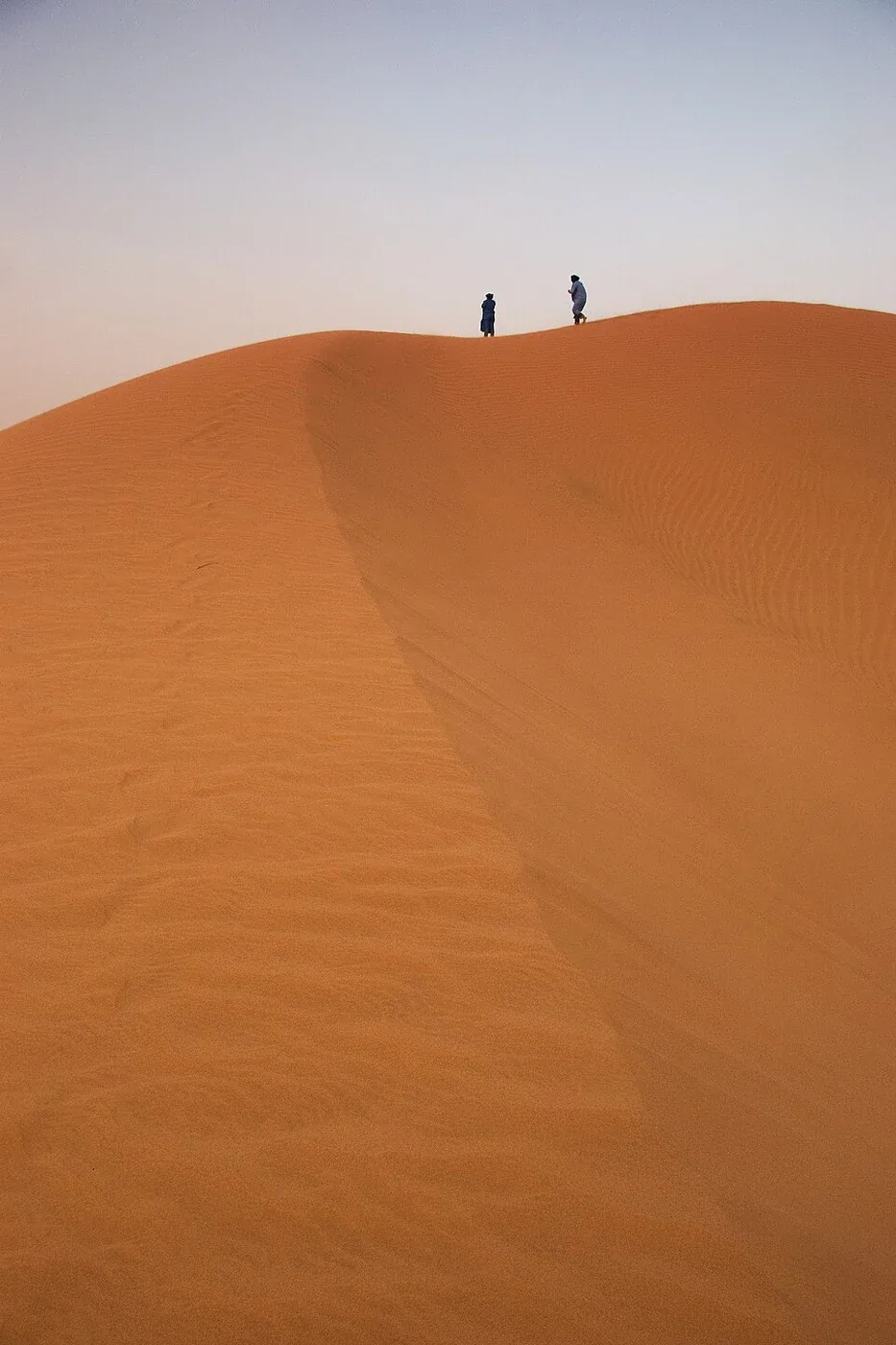
For travelers who want a real desert trek from Marrakech, M’Hamid is one of the strongest choices.
The road toward M’Hamid feels like a gradual descent into the Sahara. From Marrakech, you cross the High Atlas, continue toward Ouarzazate, pass through the Draa Valley, reach Zagora, and then continue toward M’Hamid.
This route has a strong rhythm.
It does not give you the desert suddenly. It prepares you.
By the time you reach M’Hamid, you feel that the city is far behind. The land has changed. The air has changed. The silence is closer.
M’Hamid is powerful because real treks can begin from there. Travelers can walk through dunes, dry riverbeds, tamarisk areas, stone desert, and open spaces. The region gives access to deeper Sahara routes and Erg Chigaga journeys.
This is not only a desert stop.
It is a real gateway.
For travelers who want authenticity, private treks, local guides, and a deeper desert atmosphere, M’Hamid is often better than a rushed standard tour.
Marrakech to Erg Chigaga: Space, Silence, and Wild Desert

Erg Chigaga is one of the most powerful desert areas for travelers who want space.
It is not as instantly accessible as some other dune areas, and that is part of its strength. The journey needs more planning, often with 4x4 support, experienced drivers, local guides, and enough time. But when done well, Erg Chigaga gives a deep feeling of open Sahara.
From Marrakech, an Erg Chigaga journey works best when it is not rushed.
It can be part of a 4-day or 5-day private desert tour, or connected with walking routes from M’Hamid. The experience can be comfortable, adventurous, romantic, photographic, or retreat-based depending on the traveler.
Erg Chigaga is not only about dunes.
It is about distance.
The feeling of leaving the road behind. The feeling of silence becoming wider. The feeling of camp under a huge sky. The feeling that the desert is no longer a quick attraction, but the heart of the journey.
This is why Erg Chigaga should be planned with respect.
Marrakech to Merzouga: Famous Dunes and Classic Sahara Camp
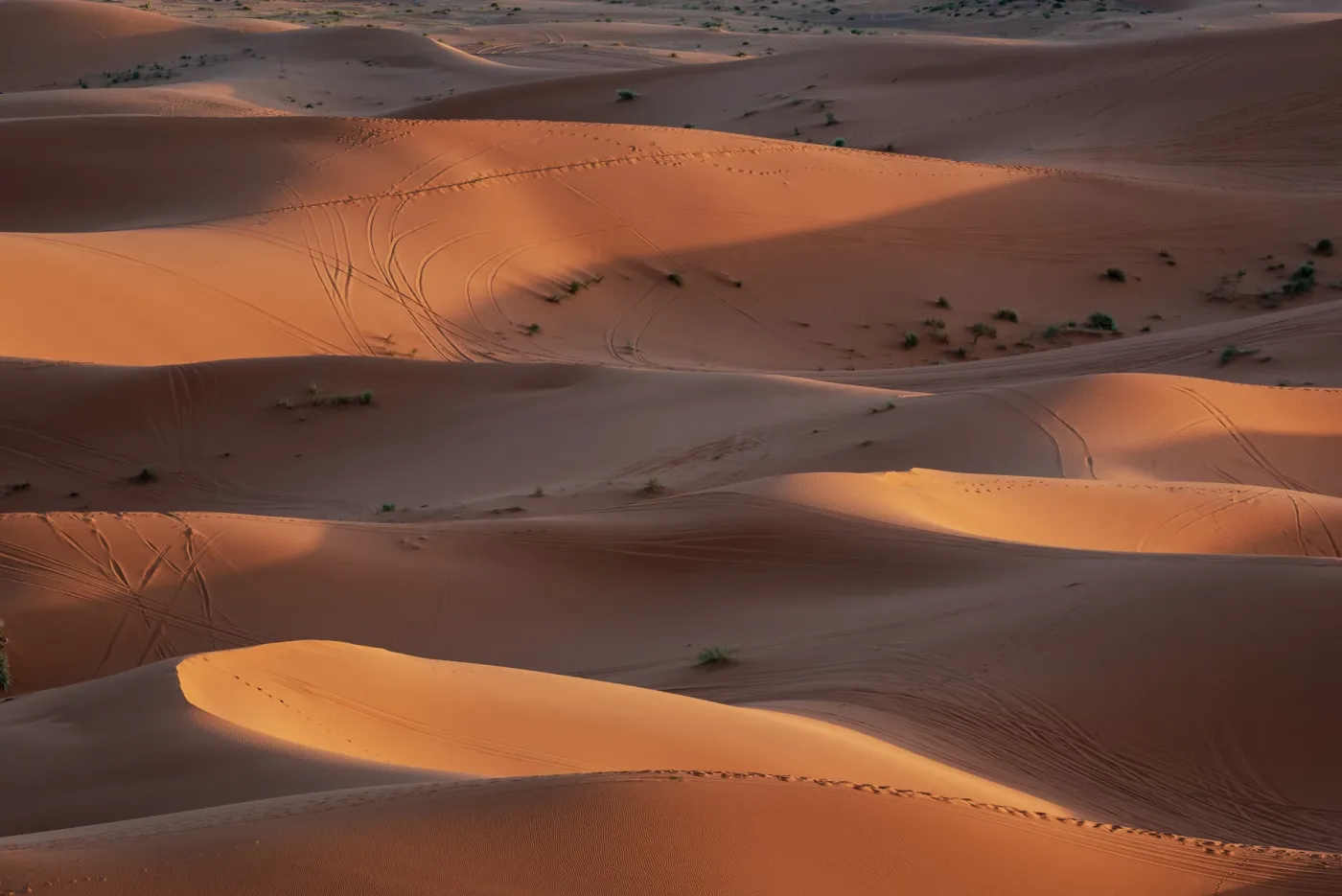
Merzouga is famous because of Erg Chebbi, one of Morocco’s most photographed dune areas.
For many travelers, this is the Sahara image they have in mind: high golden dunes, camel ride, sunset, desert camp, and sunrise. Merzouga can be very beautiful, especially for first-time visitors and photographers.
From Marrakech, however, the route is long. A very rushed Marrakech-to-Merzouga-and-back tour can be tiring. Merzouga often works better as part of a longer route, especially if the traveler continues to Fes instead of returning quickly the same way.
A Marrakech to Merzouga tour can be a good choice if you want famous high dunes, a classic camp experience, a route connecting Marrakech and Fes, a developed desert area with many camp options, or a strong visual Sahara experience.
But if your dream is deeper walking, less commercial atmosphere, and quiet trekking, M’Hamid and Erg Chigaga may fit better.
Again, the right desert depends on the traveler.
What Travelers Often Get Wrong Before Booking
Many travelers choose too fast.
They compare only price, photos, and number of days. But a desert tour should be compared by rhythm, distance, guide quality, comfort, route, and honesty.
Before booking, ask: How many hours will we drive each day? Where exactly is the desert camp? Is the tour private or shared? Are we going to M’Hamid, Erg Chigaga, Merzouga, or another area? Is there real walking or only a camel ride? What meals are included? What type of accommodation is included? Do we return to Marrakech or continue to another city? Is the itinerary realistic? Is the company local and experienced?
These questions matter.
A beautiful photo does not tell you if the trip is rushed.
A cheap price does not tell you if the guide is good.
A short itinerary does not tell you if the desert will feel real.
Honest planning is the difference between seeing the Sahara and feeling it.
Marrakech Is Also Worth Experiencing Properly
Even though this article is about leaving Marrakech for the desert, the city itself deserves respect.
Marrakech should not be treated only as a starting point. It has its own soul.
The old medina, riads, gardens, palaces, souks, rooftops, traditional hammams, artisans, food, and evening atmosphere all create a strong introduction to Morocco.
But Marrakech can also be intense. Some travelers love the energy immediately. Others feel overwhelmed by the noise, movement, sellers, traffic, and crowded areas. This is normal.
A good itinerary gives Marrakech the right amount of time.
For many travelers, one or two nights at the beginning works well. It allows them to arrive, rest, explore, and then begin the deeper journey toward mountains and desert. Others may want more time if they enjoy cities, shopping, history, food, and photography.
The mistake is not visiting Marrakech.
The mistake is thinking Marrakech alone represents Morocco.
It is a beginning, not the full story.
My Honest Recommendation
Here is my honest advice as a local Morocco travel expert:
Do not book a Marrakech desert tour only because it is cheap or fast.
Choose the route based on the kind of experience you want.
Choose M’Hamid if you want real trekking, silence, local guides, and deeper desert atmosphere.
Choose Erg Chigaga if you want space, wild feeling, and a less commercial Sahara journey.
Choose Merzouga if you want famous high dunes and a classic desert camp, especially if your route connects Marrakech and Fes.
Choose 4 or 5 days if you want the journey to feel balanced.
Choose private travel if you want flexibility, comfort, and honest rhythm.
And most importantly, do not rush the desert if the desert is the reason you came.
The Sahara gives more to travelers who give it time.
How We Design Marrakech to Sahara Journeys
At DesertBrise Travel, we do not design the same Marrakech desert tour for everyone.
We first ask about your dates, arrival city, departure city, number of travelers, comfort level, walking ability, and what kind of desert experience you want.
Then we help you choose the right route.
Some travelers need a private Marrakech to M’Hamid trek. Some need Erg Chigaga with 4x4 and camp. Some need Merzouga as part of a Marrakech to Fes route. Some need a family-friendly desert tour. Some need a romantic private camp. Some need yoga, silence, and retreat rhythm. Some need a complete Morocco itinerary with Marrakech, Atlas Mountains, kasbahs, desert, Fes, and coast.
Our goal is not only to take you from Marrakech to the Sahara.
Our goal is to create the right rhythm.
Because Morocco is not a checklist, and the desert is not a quick product.
It is a journey.
Final Thoughts: Marrakech Opens the Door, But the Desert Needs Time
Marrakech is one of the most powerful gateways in Morocco.
It opens the road to the Atlas Mountains, kasbahs, valleys, southern villages, M’Hamid, Erg Chigaga, Merzouga, and the Sahara.
But the best desert journey from Marrakech is not the fastest one.
It is the one that lets the country change slowly in front of you.
From city to mountain. From mountain to valley. From valley to desert. From movement to silence.
That is the real beauty of a Marrakech to Sahara Desert tour.
You do not only arrive somewhere.
You pass through Morocco’s rhythm.
And when the itinerary is planned with honesty, local knowledge, and enough time, the Sahara becomes more than a place you visited.
It becomes the part of Morocco you remember most.
DesertBrise Travel designs private Marrakech to Sahara Desert tours, M’Hamid treks, Erg Chigaga journeys, Merzouga routes, Atlas Mountain trips, family tours, couples experiences, yoga retreats, and custom Morocco itineraries built with real local knowledge and honest planning.