Read the route, not a single Morocco forecast
Morocco does not have one useful travel temperature. Essaouira’s sea breeze, an afternoon in Marrakech, a High Atlas pass and a night near the dunes can all feel different on the same itinerary. The practical questions are where you will be, at what altitude, and at what hour. A monthly climate average helps choose a season; it cannot promise the weather on your exact dates.
Start with the route. If your trip moves from the Atlantic through Marrakech and over the Atlas to the Sahara, plan clothes and daily activities for each stop. Check local forecasts close to departure, and check mountain elevations and road conditions separately. Leave some flexibility for rain, wind or a hot spell rather than filling every day to the minute.
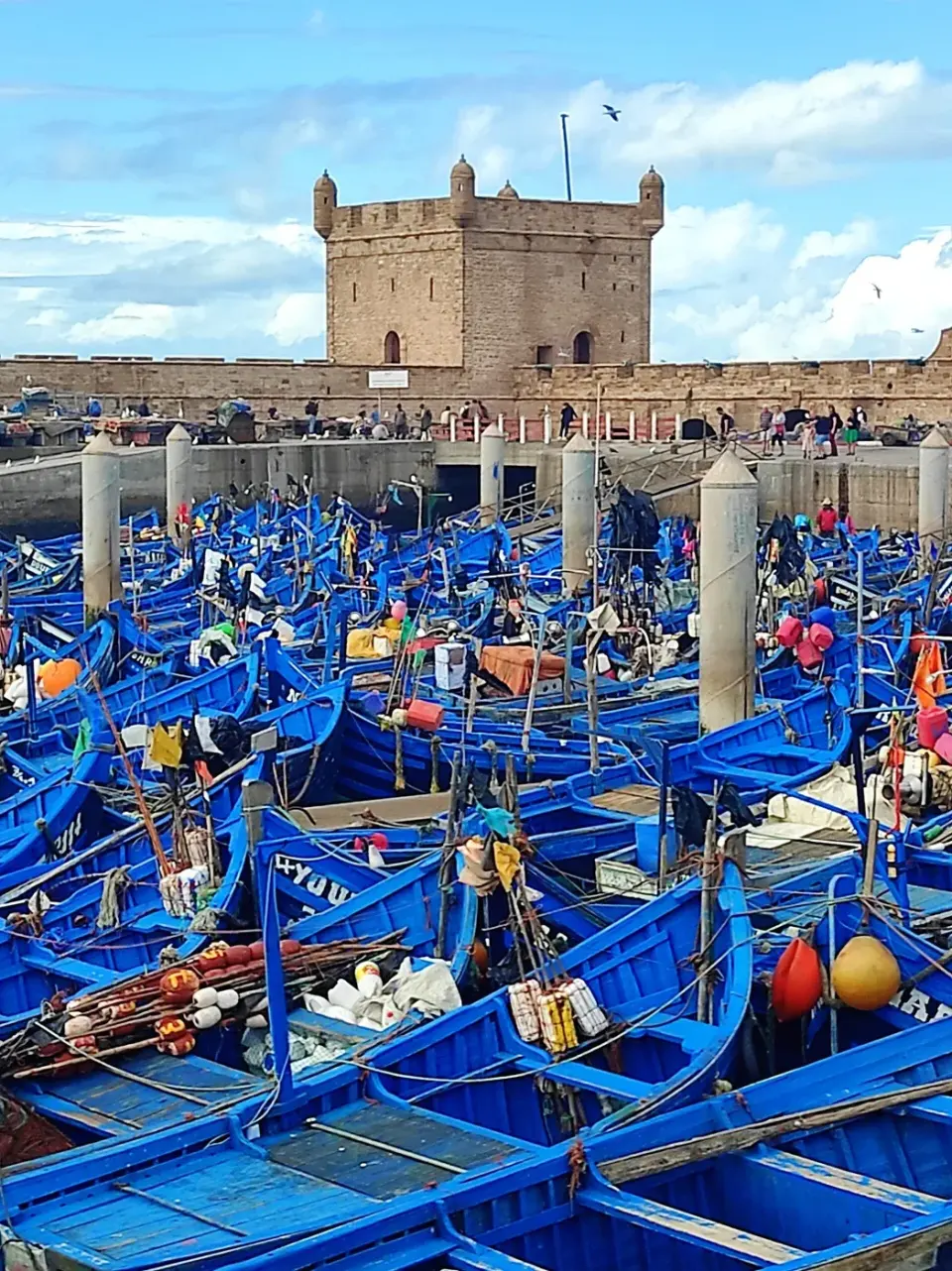
Essaouira, Casablanca and the Atlantic edge
The ocean moderates summer heat along much of the Atlantic coast. In Essaouira, wind is part of the experience: a sunny harbor walk can call for a light jacket when sheltered medina streets do not. Casablanca and Rabat also have maritime influence, but they are not identical to Essaouira or to one another. A single coast forecast is a poor substitute for the city you are actually visiting.
Winter can bring pleasant mild spells alongside cloud, wind and rain. Air temperature alone does not tell you whether a beach day or a swim will feel comfortable; pay attention to sea conditions as well. If you drive from Marrakech to Essaouira, bring a wind layer even when the city you leave is warm. An overnight coast stay gives a little room to adjust plans around a windy afternoon.
Agadir: beach plans and the southern coast
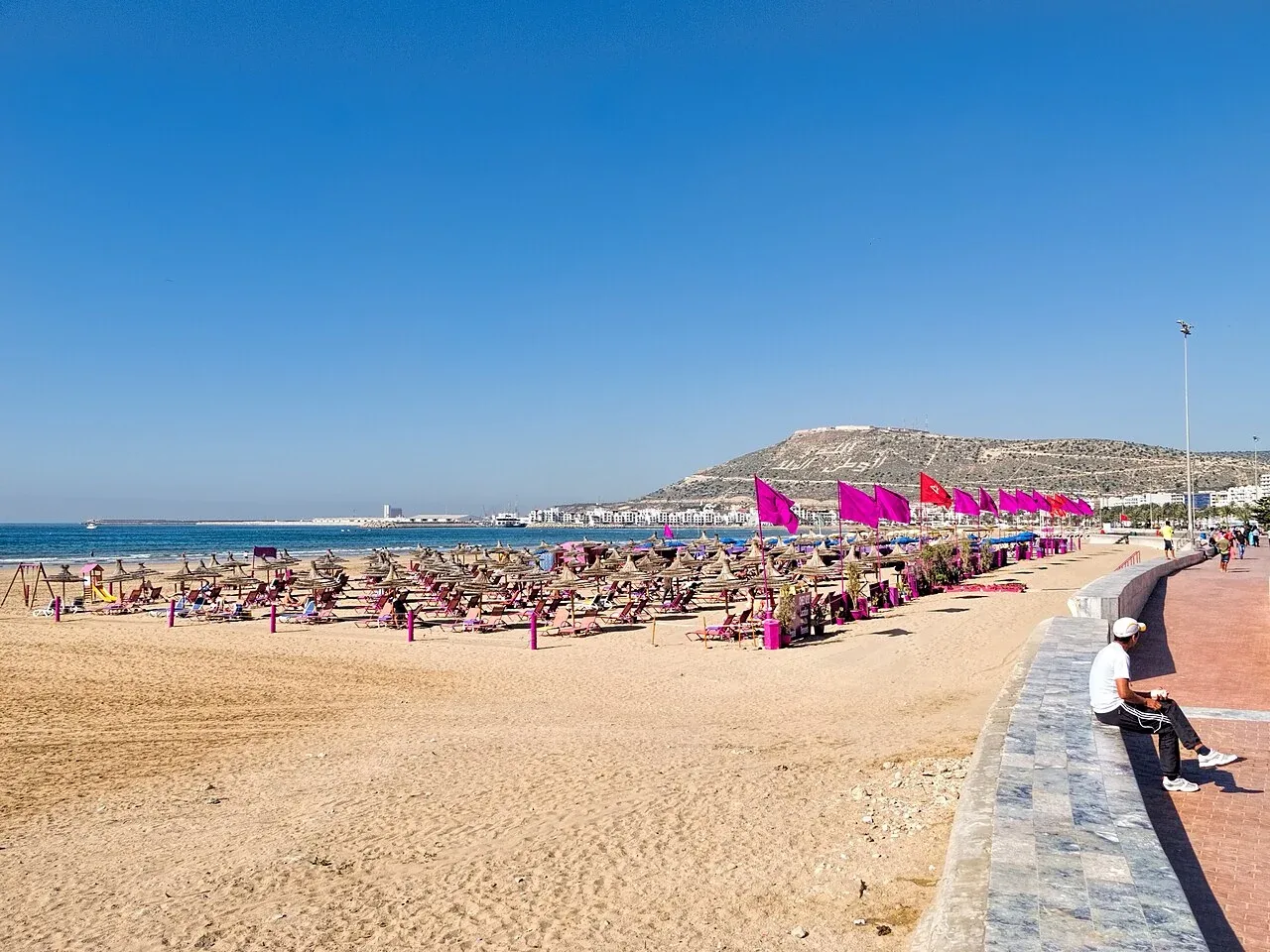
Agadir’s beach setting and generally tempered coastal conditions make it a different summer proposition from sightseeing inland. Its sheltered bay feels different from Essaouira’s exposed port, yet wind, cloud and water conditions still matter to swimmers, surfers and families. Do not promise a swimming day based on the air temperature alone.
In winter, expect changeable days rather than guaranteed beach weather. A visit inland from Agadir can be warmer, cooler or wetter depending on distance from the sea and elevation. Build a beach stay with room for a walk, market or indoor pause when conditions do not suit the water. If you are combining Agadir with Marrakech, pack for both the ocean and inland city rather than treating them as one climate.
Marrakech and Fes: inland city timing
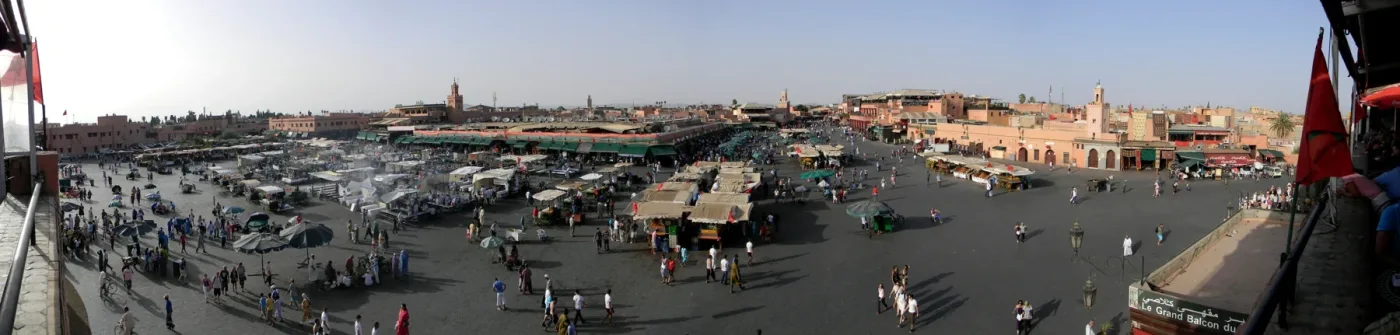
Marrakech can be much hotter than the Atlantic in summer. Early walks, shade, water and a slower midday are often more useful than a long list of monuments. Spring and autumn generally support more comfortable city days. In winter, sunshine can make the afternoon pleasant while evenings still call for a layer.
Fes sits farther north and follows its own seasonal pattern, so a multi-city tour needs more than the forecast for Marrakech. Medina lanes can be shaded in heat and slippery after rain. Keep a museum or flexible stop available if conditions change. A private vehicle makes transfers easier but does not remove heat exposure while walking. Pace city visits for the actual weather, particularly with children or travelers who need regular breaks.
High Atlas: altitude changes the plan
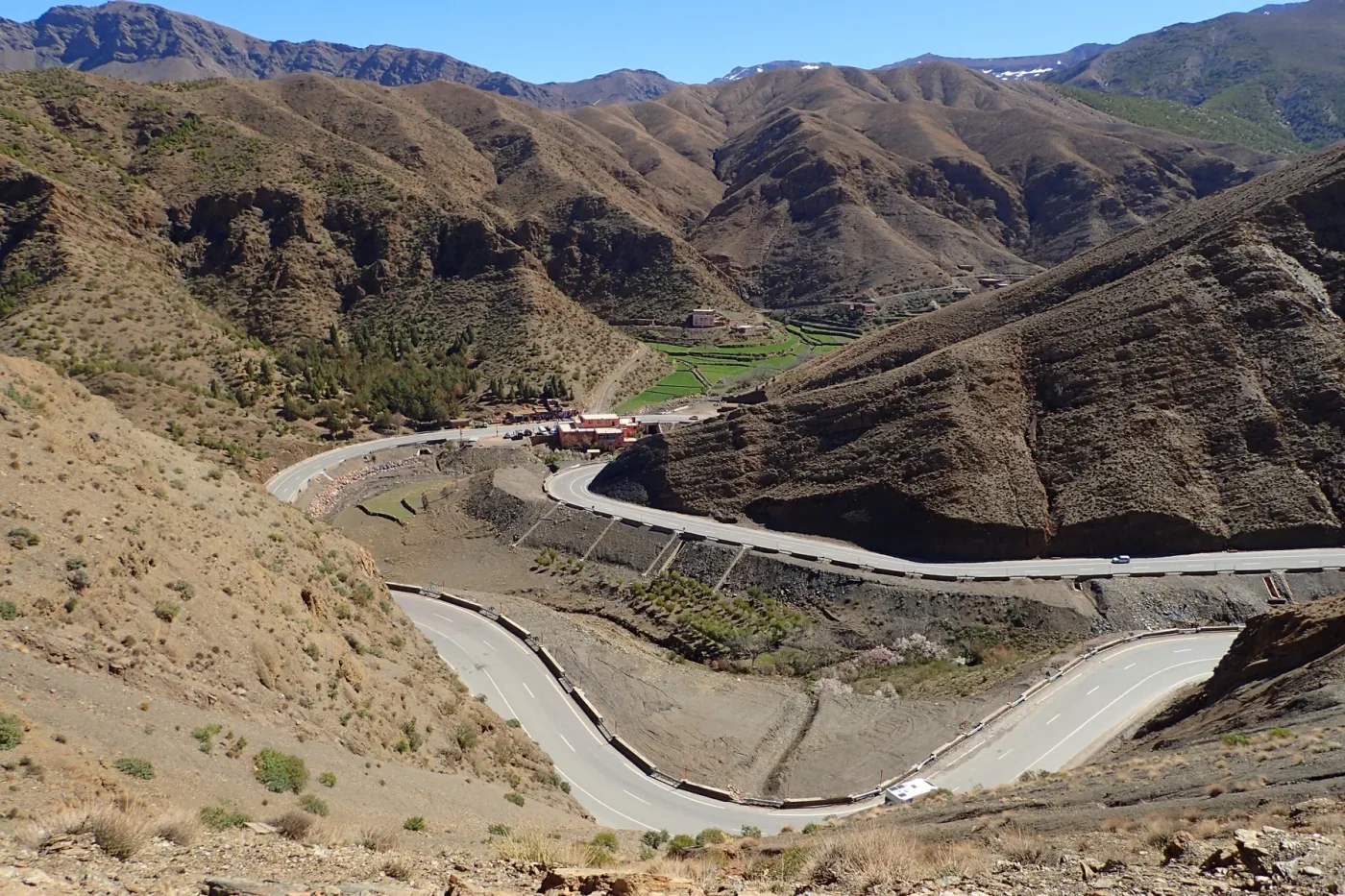
A valley walk near Imlil, a mountain pass and a high summit are three different weather decisions. Temperature generally falls with elevation, while wind and fast-moving clouds can change how a route feels. Snow and ice can affect high ground and roads in winter. Never use a sunny Marrakech forecast as the sole basis for a mountain hike.
For a gentle valley day, sturdy shoes and layers may be enough; higher routes or winter conditions demand current local information, suitable equipment and sometimes a change of plan. Check road and trail conditions before a pass crossing. If an onward journey depends on that road, allow time rather than scheduling a tight connection. A local mountain guide can judge a specific route far better than a countrywide weather icon.
Sahara: the day is only half the forecast
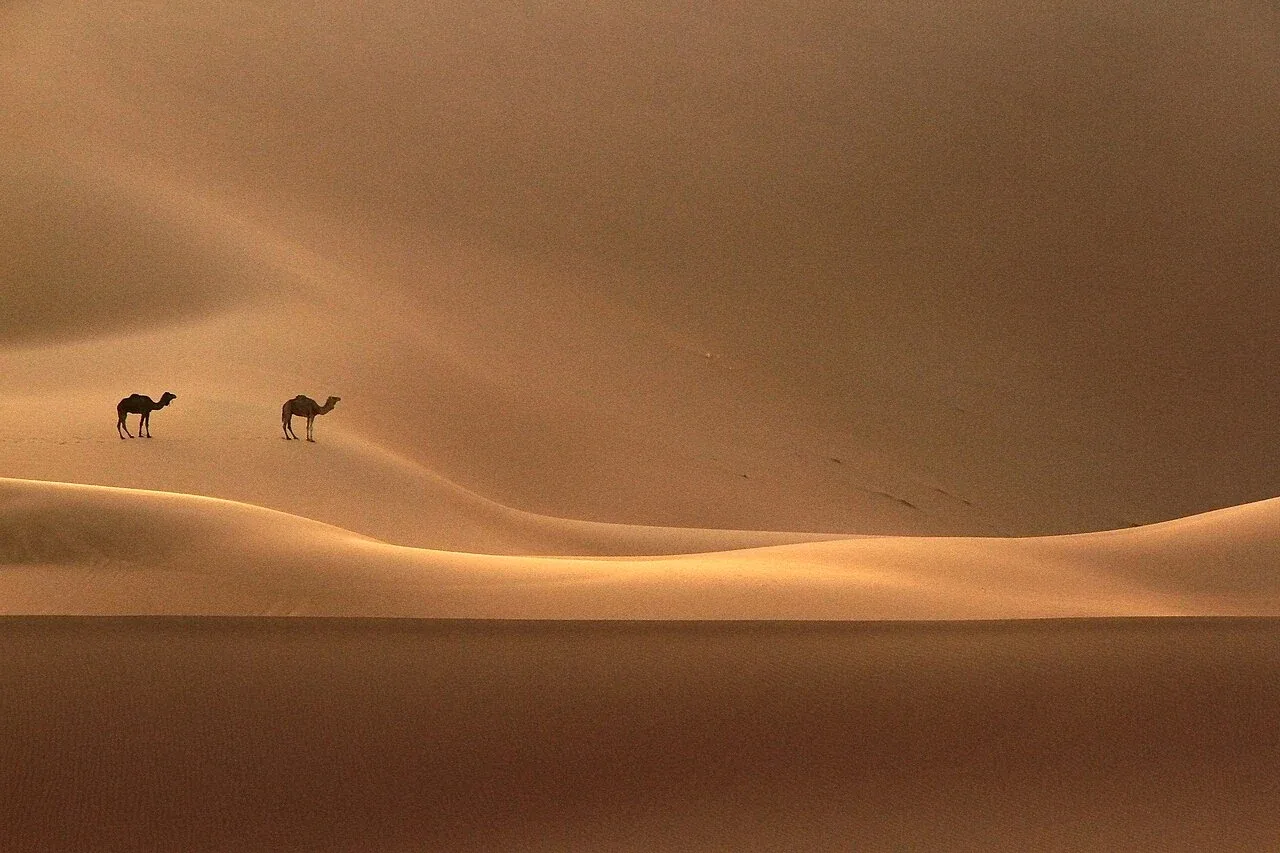
The Sahara brings strong sun, dry air and often a sharp change after sunset. Erg Chebbi near Merzouga and the journeys from M’Hamid toward Erg Chigaga share those broad patterns, but they are different destinations and routes. A camp night and a walking trek also require different margins in the itinerary.
Autumn through spring is generally easier for many desert experiences than peak summer. Long exposed treks in extreme summer heat should not be planned as standard walking days. Winter sun may feel comfortable in the afternoon, then a camp night can turn genuinely cold. Ask what bedding is supplied and how the camp is equipped. Carry water, sun protection and a head covering even in the cooler season; add warm layers for evenings and dawn.

The best season depends on the trip
Spring and autumn often give the most workable balance for an itinerary linking coast, cities, mountains and desert. They are not guarantees of dry, still or uniformly warm days. The coast can be windy, northern areas can see rain, and a desert night can be cool. Summer may suit a coastal holiday better than an exposed desert trek or full-day inland sightseeing.
Winter can bring lovely sun to Marrakech and the desert by day, but shorter daylight, cold camp nights and snow at altitude alter the plan. If you visit only one region, choose dates for the activity you actually want: swimming, city walking, mountain trekking or time among dunes. Avoid choosing a month solely because it is marketed as the best for all of Morocco.
What to pack across regions
Bring breathable day clothes, a hat, sunscreen and comfortable walking shoes. Add a warm layer for evenings, early starts, mountain stops and winter desert camps. A light windproof or waterproof outer layer earns its place on the coast and in northern or mountain areas. For a multi-stop route, layers are more useful than packing only for the warmest afternoon.
Ask the camp about blankets or sleeping bags and confirm the equipment required for any trek. Check forecasts for each destination shortly before departure, including the road or mountain pass between stops. If conditions change, adjust departure times or the activity rather than treating a prewritten itinerary as a weather guarantee.