Is December a good time to visit Morocco?

December is a rewarding time for Morocco if you want winter light, active city days and a Sahara journey with comfortable walking temperatures. It is a poor month to plan around the idea that every place will be warm. In Marrakech, a sunny afternoon and a cool riad courtyard can feel like two seasons. The High Atlas needs its own weather plan. In the desert, the daylight can invite a long walk while the evening calls for a hat and an insulated layer. North Atlantic and Rif stops introduce more chance of rain.
The month has two distinct travel moods. Earlier December can suit a flexible cultural circuit or a trek without building the itinerary around celebrations. The Christmas and New Year period can bring more international visitors, changing accommodation and guide availability. That does not make every hotel expensive or every attraction crowded, but it does mean that the specific camp, family room or private driver you want should be confirmed before you buy flights around a rigid plan.
If your trip is only a week, select one main direction. Marrakech plus southern Morocco works if you allocate genuine road days; Marrakech plus Essaouira is easier when a slower holiday matters more than dunes. Ten to fourteen days support a route between cities and the Sahara. This guide separates seasonal patterns from forecasts. Check the Moroccan National Tourist Office climate guide, then obtain a current forecast and any weather alerts for the exact stops before departure. December rewards preparation, not a promise of uniform sunshine.
December weather by place, not by one national average
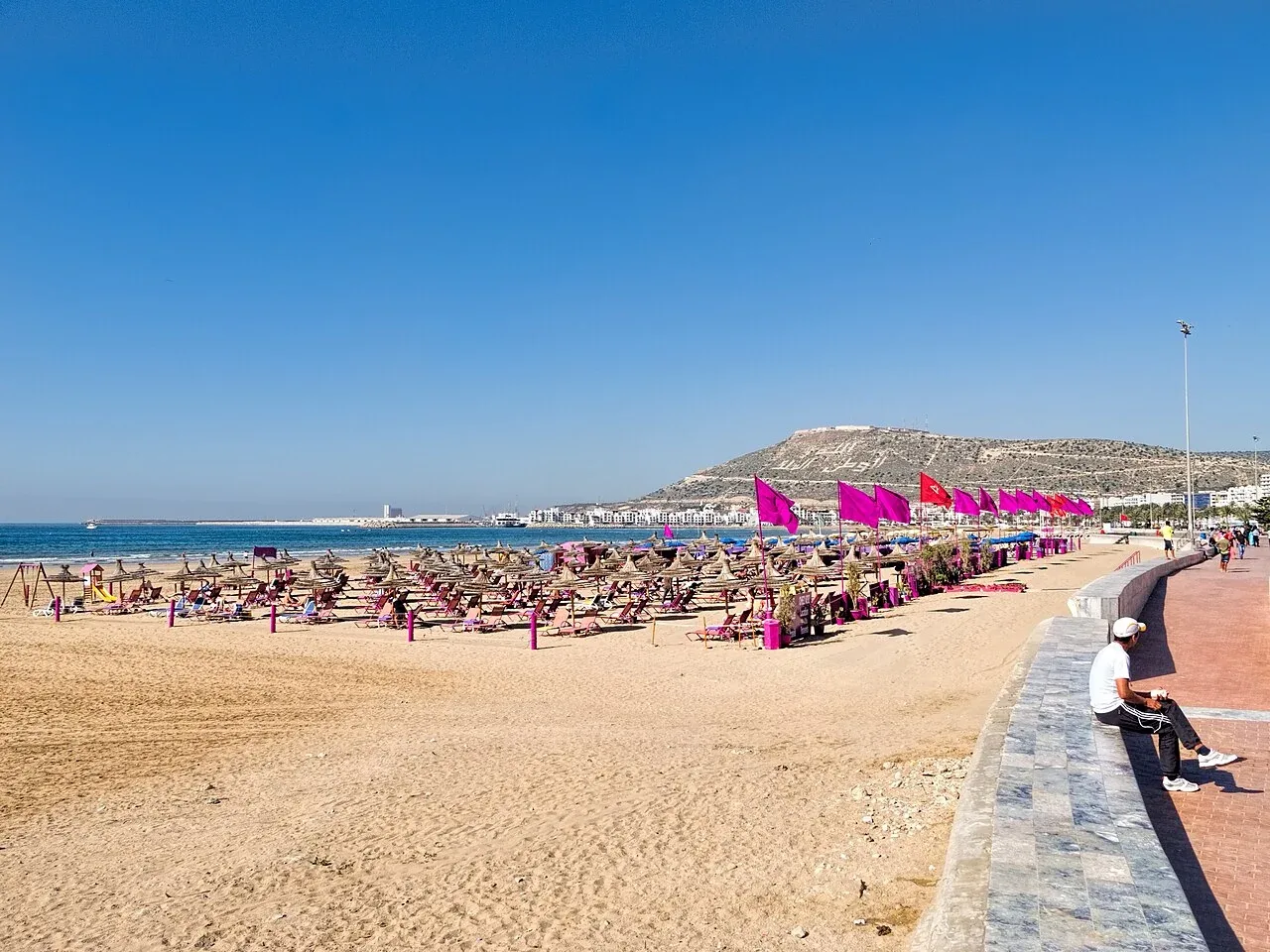
Marrakech is often enjoyable for medina walks in daylight, but shade and evenings feel cooler than an online image of Morocco suggests. Fes can be chilly, and rain becomes a more meaningful possibility on northern and Atlantic routes. Chefchaouen's Rif setting is not interchangeable with Marrakech. Essaouira can feel mild when sheltered and brisk on the ramparts when the wind rises. Agadir's coastal setting may appeal to travelers seeking a gentler winter base, although beach weather is not the same as swimming weather.
Altitude is the biggest planning gap. The temperature at your Marrakech hotel is not the temperature at a High Atlas pass or on a trail above a village. Snow, ice or difficult conditions may affect high ground and occasionally the roads you need. Do not book a tight onward connection after a mountain crossing. Follow current advice from your driver or mountain guide and the national weather alert map when a route is exposed. A flexible hotel stop is far less costly than turning every transfer into a race.
The desert has another temperature pattern: sunlight, dry air and a pronounced change after sunset. Even if you expect pleasant walking, ask about your specific camp's bedding and the forecast for that area. Merzouga and M'Hamid are separate destinations; neither should be described using a generic national temperature. Pack for the coldest activity you have chosen, which may be sunrise outside the tent rather than afternoon sightseeing. Our weather by region guide is a useful companion when you combine several zones.
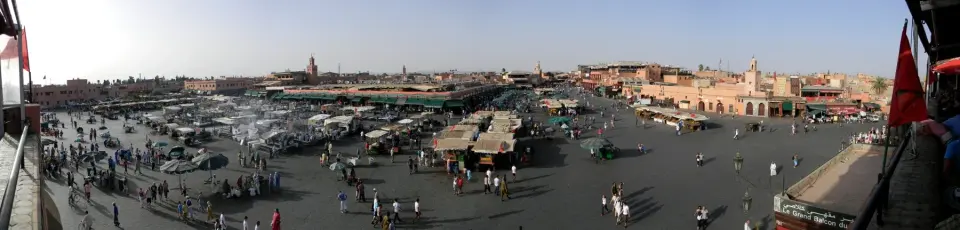
Marrakech in December: a city built for a slower winter day

A December day in Marrakech can be organized around light rather than heat. Start with a medina walk or a historic site, pause for lunch and choose one more neighborhood before sunset. Bahia Palace, the Koutoubia surroundings and the souks are different experiences, so give each one room. The official Marrakech destination page provides a useful overview, while individual opening hours must be confirmed for your dates. A late arrival does not count as a sightseeing day.
Many visitors expect a riad to be warm simply because it has attractive photographs. Courtyards and tiled rooms can feel cool in winter; ask about heating in the actual bedroom, especially for children or anyone sensitive to cold. Likewise, a pool may be beautiful yet unheated. These questions matter more than the number of decorative cushions. A light jacket is useful for rooftop meals and evenings, and comfortable shoes matter in streets that may be damp after a shower.
Two full days suit a compact first visit; three allow a guided introduction and unplanned time. Do not fill every morning with a day trip if Marrakech is one of the reasons you came. If you have already chosen a desert route through the High Atlas, an extra mountain excursion should offer a specific walk or cultural encounter. Agafay near Marrakech is a rocky landscape, not a shortcut to the Sahara dunes. Ask exactly where an advertised “desert camp” is located before you decide between proximity and a longer journey south.
The Sahara in December: judge the camp by the night
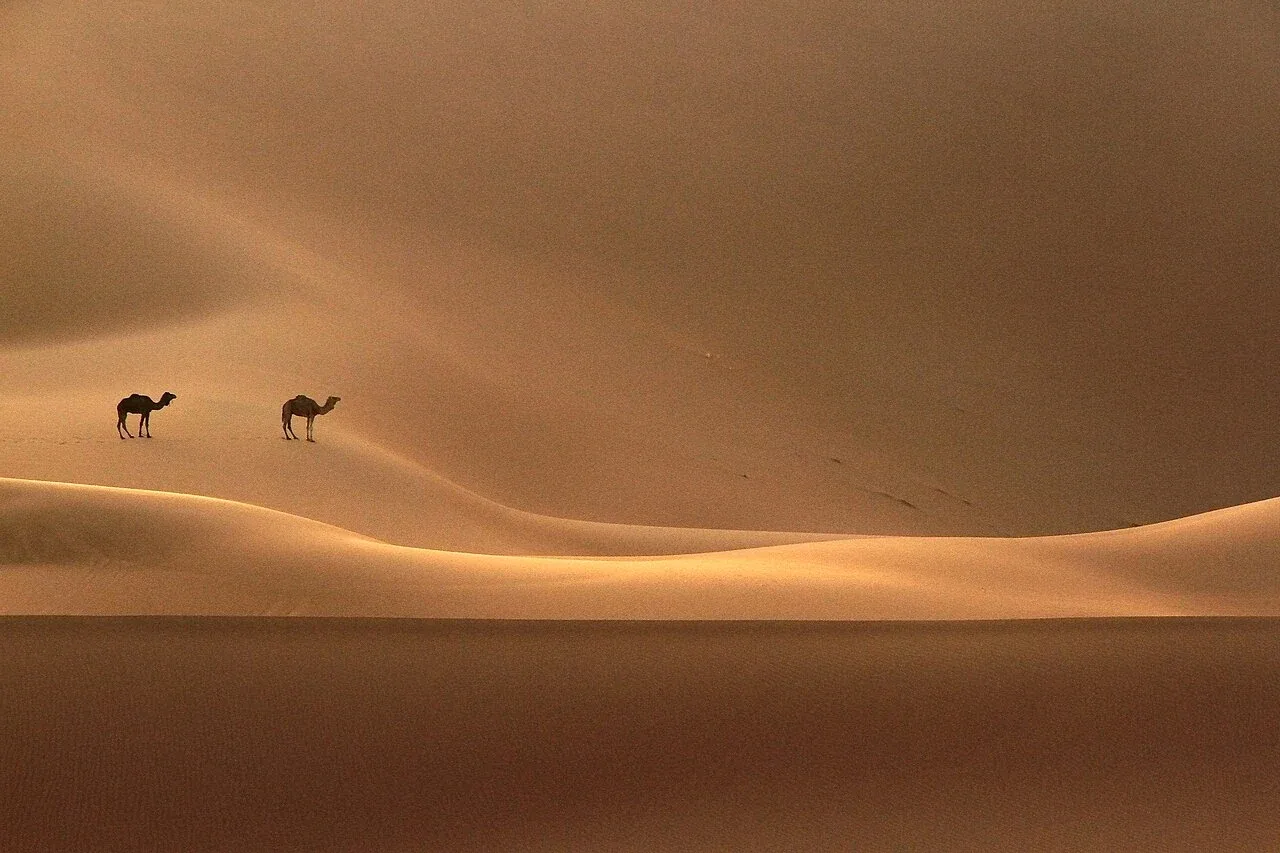
December can be excellent for desert walking, but sleeping arrangements are central. In a permanent camp, ask whether the tent is fixed, how many blankets are supplied, whether the bathroom is private or shared and whether any heating is actually available. A mobile trekking bivouac is intentionally simpler and should be described as such. A comfortable afternoon on the dunes cannot answer what midnight under canvas will feel like. Our month-by-month Sahara guide discusses the seasonal trade-offs.
M'Hamid is a gateway for journeys toward Erg Chigaga and longer walking routes with local support. Merzouga gives access to Erg Chebbi, as the national tourism office describes. Both regions offer memorable winter light; choose by route, desired walking and nights available. A brief camp stay emphasizes an evening and sunrise. A trek follows different surfaces, camp locations and daily effort. Neither should be sold as the other. If your group includes children, clarify how long they will walk and what they can do if the cold or distance becomes uncomfortable.

The days are shorter than in autumn. Arrange the transfer so arrival does not depend on a rushed sunset, especially when a final 4x4 track or camel ride is involved. Include a warm hat, closed shoes, fleece and outer layer in a small overnight bag. Carry sun protection and water as well; winter does not remove midday exposure. Ask who makes the weather decision if wind or rain makes a planned walk unsuitable, and agree on a realistic alternative before the group is standing at the trailhead.
Atlas crossing and southern stops: make the road part of the trip
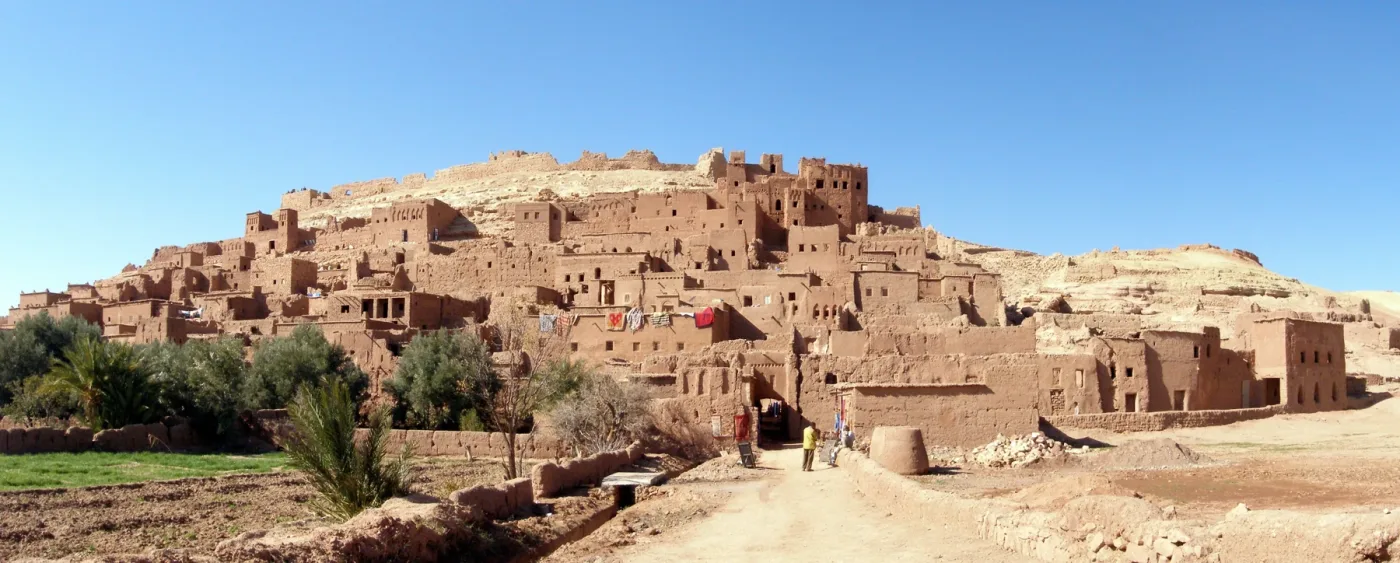
A route south from Marrakech is far more than a drive to a dune photograph. The Atlas crossing changes the landscape, and the areas around Ait Ben Haddou, Ouarzazate, Skoura and the Draa Valley give the journey its context. UNESCO describes the Ksar of Ait Ben Haddou as an important example of southern earthen architecture. Plan time to walk through it if open access and conditions allow. Respect that it is a heritage place, not a film set built for passing vehicles.
In December, weather and daylight are two reasons to avoid the longest possible transfer. Mountain conditions can change, and stops take longer than a navigation app assumes. A late departure, a lengthy lunch and several viewpoints can push arrival at a camp into darkness. The answer is not to abandon all stops, but to decide which ones matter and where a night's pause will create a better day. A driver familiar with the route can advise on current road conditions; no article written months earlier can guarantee a pass will be clear on your date.
For a trip starting and ending in Marrakech, three days to the distant Sahara is dominated by transport. Four or five days can protect time for the valleys and a real desert evening, although a serious multi-day trek needs more. If you are continuing to Fes, an open route through Merzouga can avoid retracing the same road, but it also requires realistic stages and sufficient days. Read the Marrakech to Sahara planning guide, then compare a daily timetable rather than a headline trip length.
Christmas and New Year: what changes for travelers?
Christmas is observed by many international visitors and hotels, but you should not assume that every Moroccan attraction closes or that every camp offers a special dinner. Ask the property directly what its dates, meals and celebration arrangements include. Likewise, New Year's Eve in a desert camp may mean a quiet meal under stars, a larger organized event or nothing beyond the usual schedule. Decide which atmosphere you actually want before booking. Avoid packages that use “festive” as a substitute for a clear description.
Late December can bring demand for the same appealing rooms, family configurations, guides and transport. Reserve the essential pieces early, especially if you cannot move the dates. Compare cancellation terms, transfer arrangements, meal plans and any holiday supplement in writing. A low initial quote may omit the dinner or accommodation standard you imagined; a higher one may include services you do not need. The useful comparison is the complete itinerary and total cost, not a single night price.
If you are traveling with children, protect the first and last nights from overly ambitious road days. Flights can arrive late, and a festive evening is less enjoyable after a long transfer. In Marrakech, choose a riad with confirmed heating and a practical pickup point; in the Sahara, ask about bedding and the journey into camp. With a private route, you can place the main celebration in the city or desert that suits your group instead of accepting the location chosen by a fixed calendar.
Fes, the north and Atlantic coast in winter
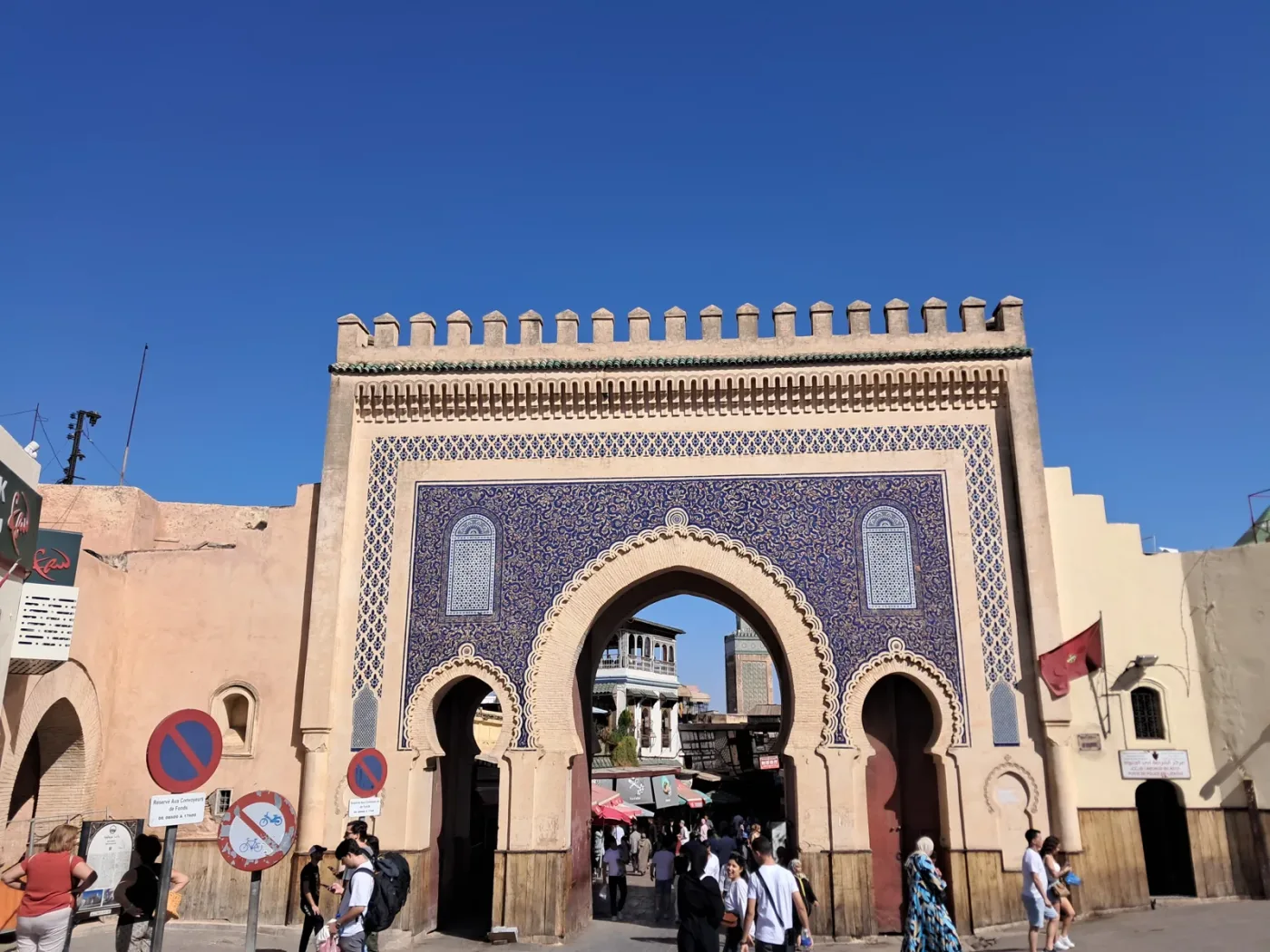
Fes is a strong December choice for travelers who prioritize history and craft over guaranteed sun. The medina rewards time with a local guide, but cold shade and possible rain can change the pace. Wear shoes with grip and keep a waterproof layer near the top of your bag. A visit to artisans, an interior monument or a long lunch can help reshape a wet afternoon. Our Fes stay-length guide helps you choose between a brief stop and a fuller city stay.
Rabat, Tangier and Chefchaouen add different stories, and each adds travel time. In December a northern circuit should be chosen for its culture and route logic, not because it is expected to be warmer than the south. The Rif around Chefchaouen needs particular attention when rain or mountain conditions appear. If you have a week and the Sahara is central, leave the northern cities for another journey. If you have two weeks, connect them with Fes and choose arrival and departure airports carefully.
Essaouira offers harbor life, medina lanes and a useful change of pace after Marrakech. Wind may make a bright day feel colder by the sea. Agadir has a different style of coastal stay with broader resort infrastructure. Neither destination guarantees swimming in December. If you are choosing between them, think about the experience you want rather than treating “coast” as one category. A day trip from Marrakech to Essaouira is possible, but an overnight stay protects the evening and morning; our comparison of the two gives the practical trade-offs.
Routes for seven, ten and fourteen days

Seven days require a clear priority. For a cultural break, consider Marrakech for three nights and Essaouira for two, with an arrival or departure night positioned for your flights. For a Sahara trip, allow Marrakech, a southern transit night, one or two desert nights and a sensible return. This leaves fewer city days than many travelers expect. Count hotel nights and arrival times before you call a trip “seven days.” If a winter mountain crossing is required on both directions, leave flexibility around the long drives.
Ten days give the south room to breathe. One route might begin with two Marrakech nights, cross the Atlas to Ait Ben Haddou or Skoura, follow the Draa Valley toward M'Hamid, spend two nights around the desert and return with a different overnight pause. A Merzouga route would use other eastern and gorge stops. Do not combine Chigaga and Chebbi merely to collect both names; they are separated by substantial travel. Either could be a good winter choice with the correct camp and enough time.
With fourteen days, add Fes and a northern or coastal section, or spend several days on a supported desert trek. The best choice depends on your departure airport and whether you prefer cultural depth, walking or relaxation. When requesting a quote, specify exact nights, party size, walking comfort, room requirements and whether Christmas or New Year must be spent in a particular place. A useful private proposal should show each day's route, likely road burden and included services before you commit.
What to pack and what to ask before booking
Pack for several climates rather than one Morocco postcard. Bring comfortable walking shoes, daytime layers, a fleece, an insulated jacket for cold nights, a light waterproof or windproof shell, sunglasses, hat and sun protection. A warm hat can be valuable at a desert sunrise. For higher mountain walking, ask a local guide about current trail conditions and proper footwear; normal city shoes are not a substitute. A small camp bag keeps warm essentials accessible when your main luggage stays in a vehicle.
Before buying a desert package, confirm pickup and drop-off, vehicle, driving stages, guide language, accommodation and exact camp location, bedding, bathrooms, meals, entrance fees, walking hours, camel or 4x4 arrangements, and any holiday dinner or supplement. Ask how the itinerary responds to weather and what happens if an Atlas road or activity cannot be used. Do not rely on the label “luxury” to infer heating or a private bathroom. Have every essential promise included in the written proposal.
December's best itinerary is personal: a couple seeking quiet dunes, a family wanting an easy celebration and a group planning serious walking need different routes. Send your dates, flight gateways and priorities to a local planner, then assess whether the proposed timing leaves enough actual daylight at the places you care about. A well-paced December journey can give you medinas, mountains and desert without making a cold dawn or a long transfer an unpleasant surprise.