A good Morocco itinerary should feel like one connected journey, not a chain of transfers. This 4-day route moves through Marrakech, High Atlas, Dadès, Todra, Erg Chebbi, Draa Valley and Aït Ben Haddou, letting the landscape and atmosphere change naturally from one region to the next.
The important part is the rhythm. We do not treat mountain roads, medina walks, desert approaches or coastal drives as empty time. Each day has a reason to be there, with enough flexibility for photography, family comfort, local meals, guided visits or simply a slower afternoon when the journey needs it.
Because the trip is private, the route can respond to the people travelling. We keep distances honest, explain what is realistic, and adjust accommodation, guiding and activity level before departure rather than forcing every guest into the same timetable.
Itinerary
Day 1
Marrakech → Dades Valley: Let the road south breathe
Meals: No meals unless confirmed
Included: Private air-conditioned vehicle with professional local driver
The day begins in Marrakech, then the road gradually carries you toward Dades Valley.
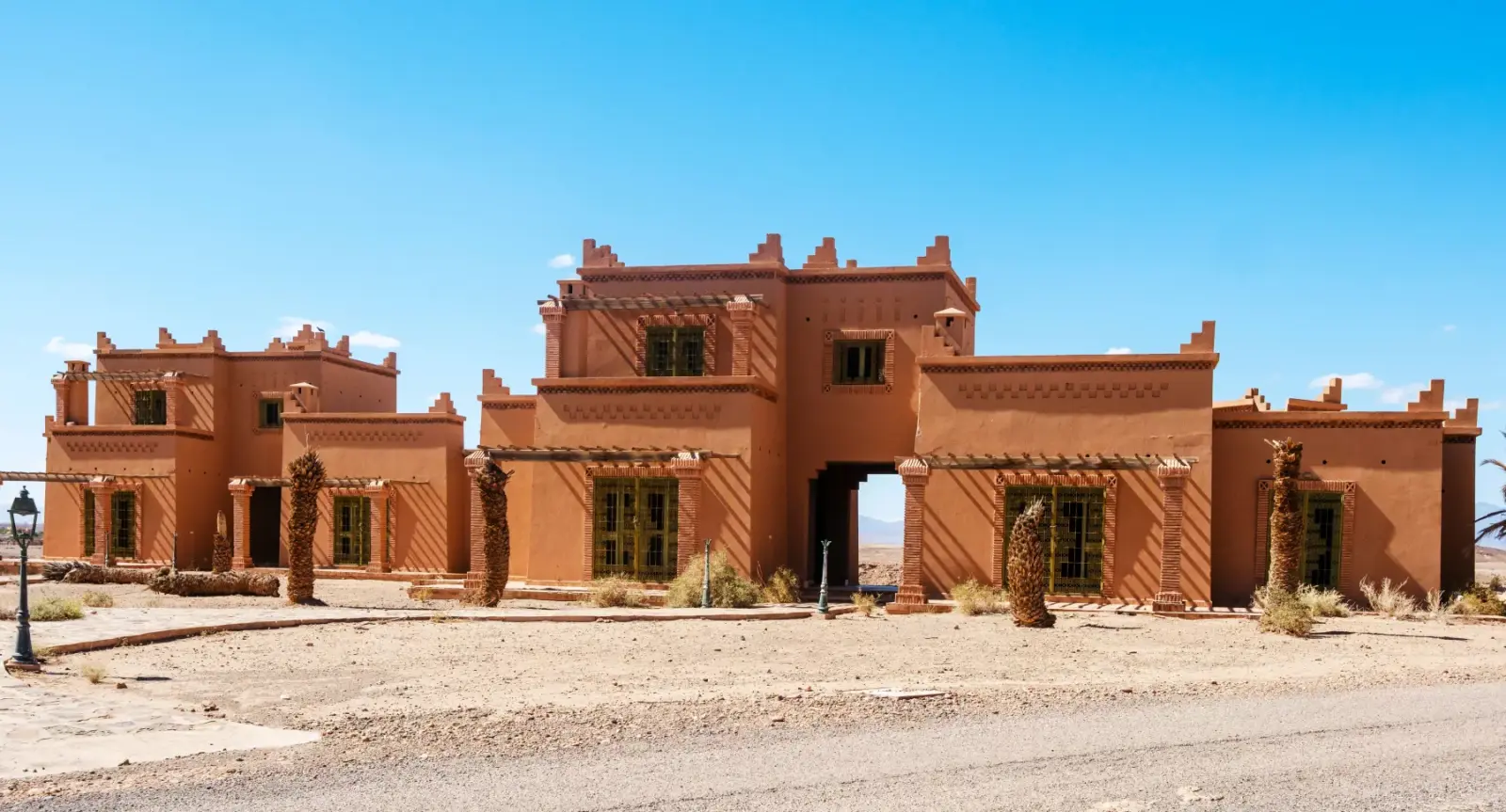
The High Atlas is not empty transfer time. Mountain villages, changing geology and the Tizi n’Tichka road make the crossing part of the story. Dadès brings sculpted rock, kasbah villages and a lived-in valley where southern Morocco feels agricultural as well as dramatic.
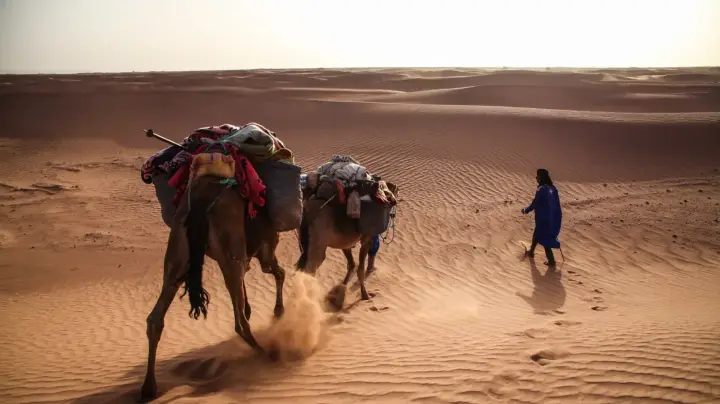
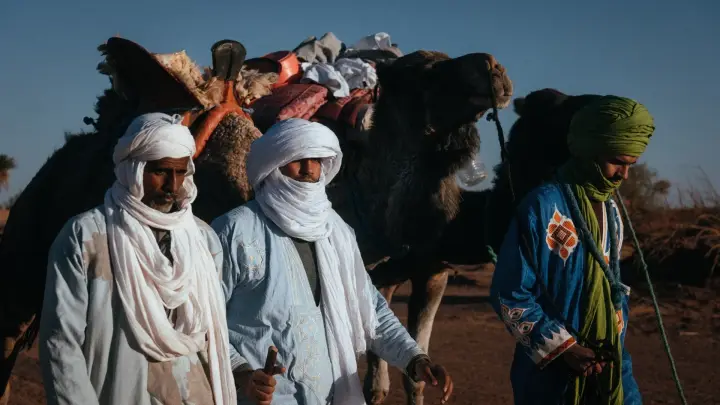
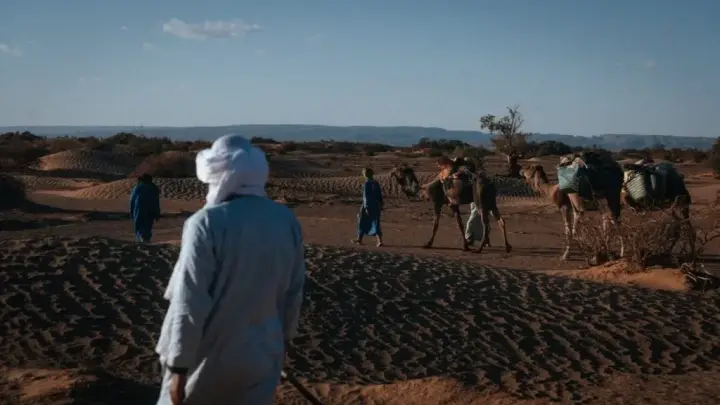
The desert is given time of its own. We avoid reducing it to a quick camel photo and leave space for sunset, camp life and the silence that makes the Sahara memorable. The pace stays flexible, with stops chosen for the people travelling rather than a rigid coach schedule.
Day 2
Dades Valley → Merzouga: Rock walls before the dunes
Meals: Breakfast
Included: Private air-conditioned vehicle with professional local driver
Leave Dades Valley behind and let the scenery change on the way to Merzouga.
Todra narrows the landscape into vertical rock walls and a river corridor, giving an easy walking break after long desert horizons. Near Merzouga, Erg Chebbi rises abruptly from the plain. Sunset, camp life and the changing dune colours deserve more than a rushed arrival.
The desert is given time of its own. We avoid reducing it to a quick camel photo and leave space for sunset, camp life and the silence that makes the Sahara memorable. There is room for photographs, tea, short walks and practical comfort stops without turning the day into a race.
Day 3
Merzouga → Ouarzazate: Return west through a different south
Meals: Breakfast
Included: Private air-conditioned vehicle with professional local driver
Today is less about ticking off stops and more about understanding the transition from Merzouga to Ouarzazate.
The Draa Valley brings long palm groves, ksour and old settlements, giving the return from the desert a completely different character. Ouarzazate is a practical southern crossroads between desert roads, kasbah country and the High Atlas, with film history layered onto older caravan routes.
The desert is given time of its own. We avoid reducing it to a quick camel photo and leave space for sunset, camp life and the silence that makes the Sahara memorable. By evening, the route should feel like part of the experience, not simply the distance between two hotels.
Day 4
Ouarzazate → Marrakech: Close the circle across the Atlas
Meals: Breakfast
Included: Private air-conditioned vehicle with professional local driver
The day begins in Ouarzazate, then the road gradually carries you toward Marrakech.
Aït Ben Haddou is strongest when there is time to walk its earthen lanes and understand the old caravan setting rather than stop only for a photograph. The High Atlas is not empty transfer time. Mountain villages, changing geology and the Tizi n’Tichka road make the crossing part of the story. Marrakech brings colour and movement: ochre walls, working souks, quiet riad courtyards and the evening build-up around Jemaa el-Fna.
The desert is given time of its own. We avoid reducing it to a quick camel photo and leave space for sunset, camp life and the silence that makes the Sahara memorable. The pace stays flexible, with stops chosen for the people travelling rather than a rigid coach schedule.
Is this tour private?
Yes. The route is designed as a private journey with your own vehicle and can be adjusted before confirmation.
Can the itinerary be customized?
Yes. We can change the balance between guided visits, free time, activities and overnight stops while keeping the route realistic.
What type of accommodation is included?
The confirmed package can use comfortable riads, hotels, guesthouses and specialist stays such as desert camps. Exact properties depend on availability and chosen level.
Are local guides included?
Licensed local guides are used where they add depth, especially in major medinas and heritage sites, according to the confirmed package.
How much driving is involved?
Some days involve meaningful road time because Morocco is large. We plan realistic pauses and explain the longer stages clearly before booking.
Is the tour suitable for families?
For many families, yes. Private transport makes it easier to add breaks, adapt walking time and choose suitable rooms and activities.
What meals are included?
Breakfast is normally included with the accommodation, while dinners and other meals depend on the final package and special stays.
Can I upgrade the comfort level?
Yes. Comfort, premium and luxury options can be discussed before booking, subject to availability.
What's Included
- ✓
Private vehicle and driverPrivate air-conditioned transport with a professional local driver throughout the confirmed route.
- ✓
AccommodationSelected riads, hotels, guesthouses or specialist stays according to the final comfort level.
- ✓
Daily breakfastBreakfast at the included accommodation unless the final package states otherwise.
- ✓
Route planningRealistic driving times, comfort stops and coordinated daily pacing.
- ✓
Local guidingLicensed local guides in key cities or heritage sites when included in the confirmed program.
- ✓
Luggage transportNormal luggage carried in the private vehicle throughout the journey.
- ✓
Arrival and departure coordinationTransfers coordinated with the confirmed starting and ending points.
- ✓
Private-tour flexibilityReasonable changes to timing and visit balance can be agreed before departure.
- ✓
Local supportDesertBrise Travel support and local coordination during the itinerary.
- ✓
Clear pre-trip planningAccommodation level, activities, meals and special requests clarified before confirmation.