Casablanca

Explore Morocco’s largest modern city through its oceanfront mosque, architectural heritage, historic neighborhoods and Atlantic lifestyle, with local guidance and custom-trip planning from DesertBrise Travel.

Best PriceGuaranteed
Private & CustomTours
Local ExpertsMorocco Based
No PaymentRequired Now

Why Visit the Casablanca?

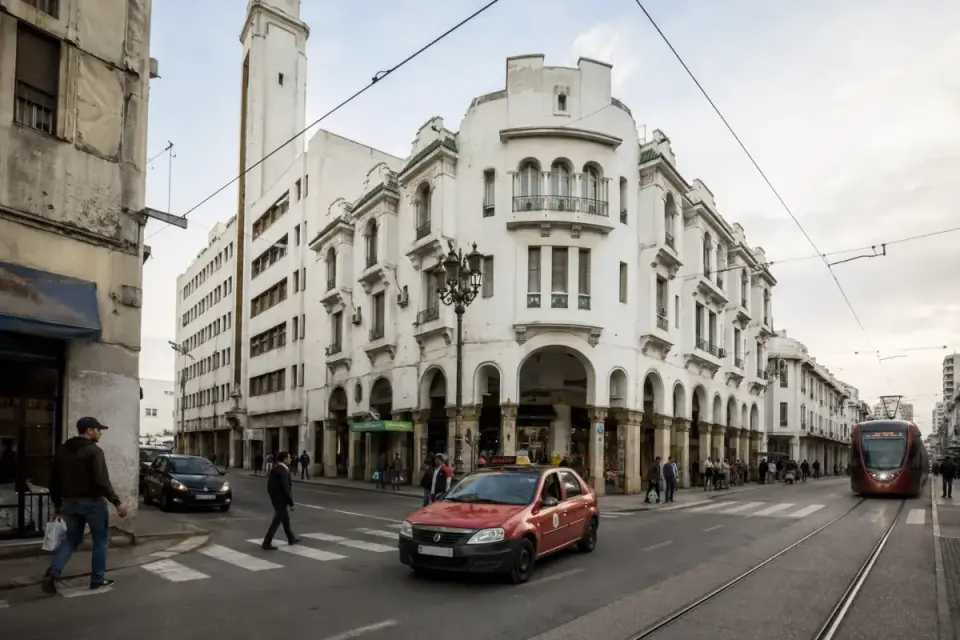
Casablanca reveals a side of Morocco that travelers often miss when moving directly between imperial cities and desert landscapes. It is a working Atlantic metropolis shaped by commerce, migration, architecture and everyday urban life. Here, historic medina lanes lead toward busy boulevards, white Art Deco façades stand beside contemporary towers, and the Hassan II Mosque rises directly beside the ocean.

A Casablanca travel guide should therefore focus on more than a single famous monument. The city’s identity emerges through its downtown architecture, markets, cafés, tramways, coastal neighborhoods and the contrast between the Old Medina and the planned Habous Quarter. Casablanca is particularly rewarding for architecture enthusiasts, urban travelers, food lovers, returning visitors to Morocco and anyone interested in the country’s contemporary culture.

Casablanca is also one of Morocco’s principal international gateways. Mohammed V Airport has train, road and airport-bus access, while the city’s stations connect with Rabat, Tangier, Fez, Marrakech and El Jadida. It can serve as the beginning of a longer private itinerary or as a focused one- or two-day stop. The city is not designed as an open-air museum; its appeal comes from observing modern Morocco in motion. Moroccan National Tourist Office

Casablanca

Essential Places to Visit in Casablanca

Hassan II Mosque

Hassan II Mosque

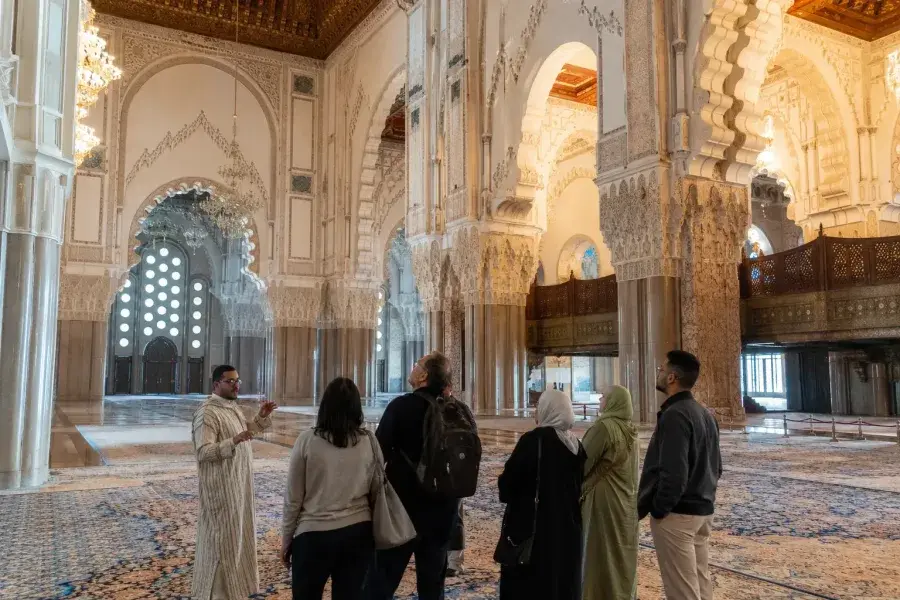
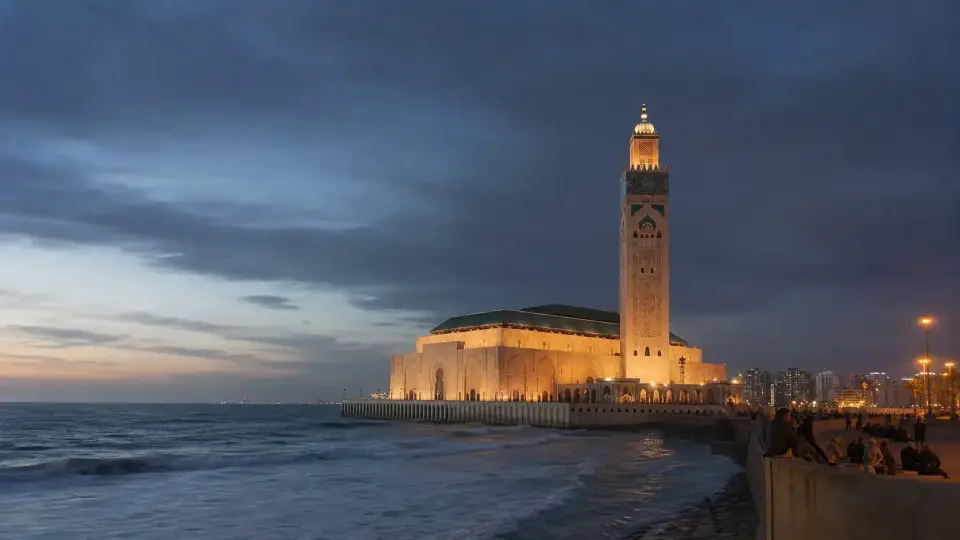
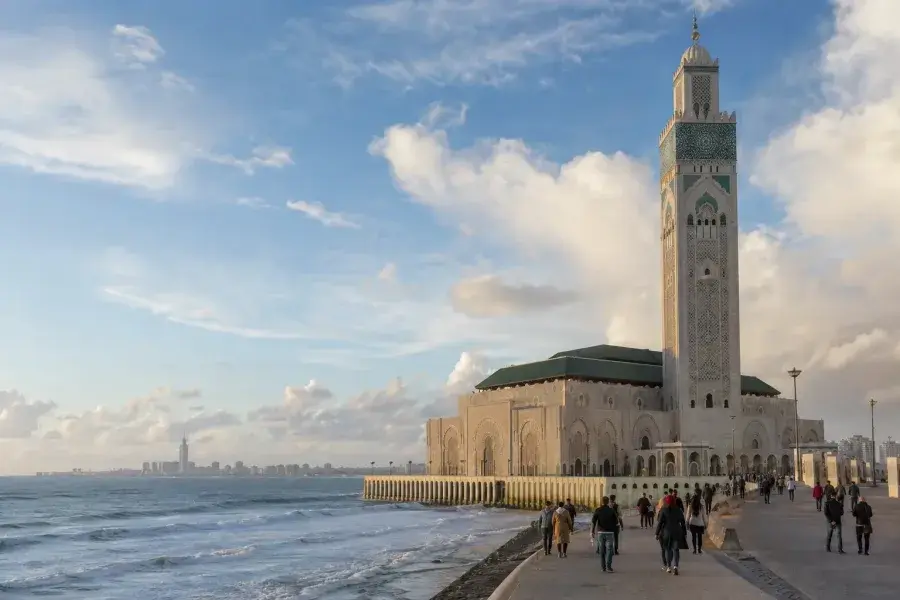
Hassan II Mosque is Casablanca’s defining landmark, positioned dramatically beside the Atlantic Ocean. Its vast prayer hall and associated spaces display Moroccan craftsmanship in carved wood, plaster, zellige, marble and copper. Non-Muslim visitors may enter through an official guided visit rather than during general prayer access. Check the foundation’s current schedule before arriving, particularly during Ramadan and religious holidays. Official Hassan II Mosque Foundation
Habous Quarter

Habous Quarter

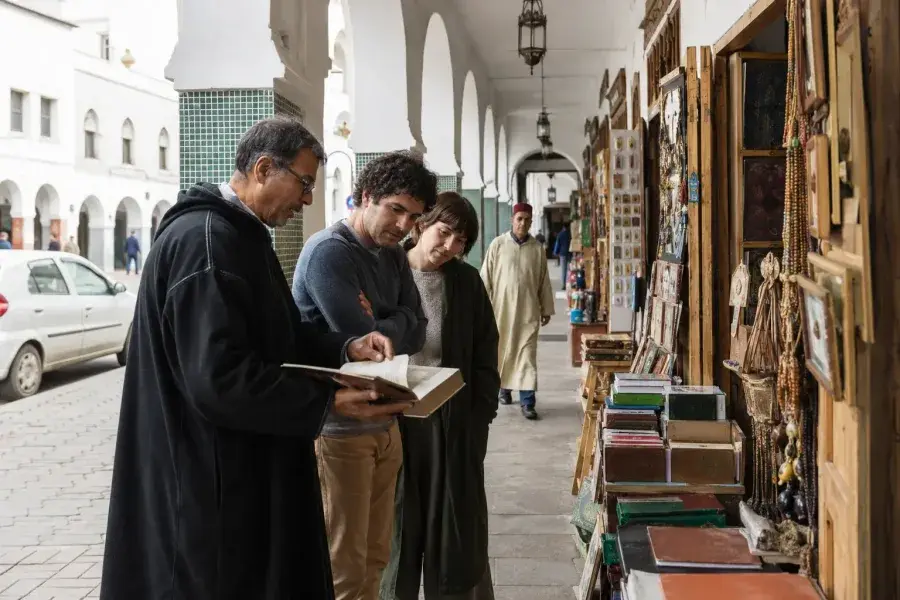
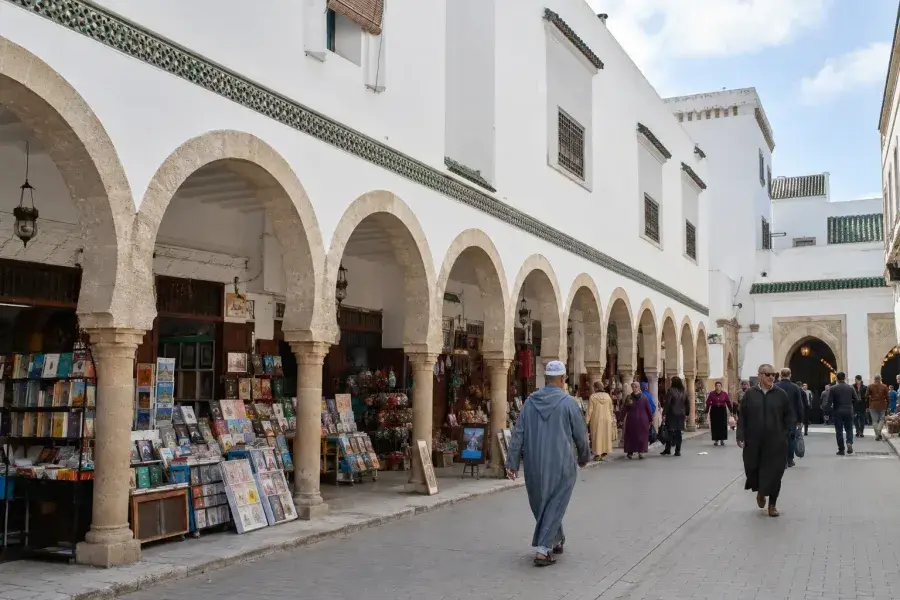
The Habous Quarter, sometimes called the New Medina, combines Moroccan architectural forms with an orderly 20th-century urban plan. Its arcades contain booksellers, bakeries, craft shops and small markets, offering a calmer environment than central commercial streets. Visitors can explore independently, although a guide helps explain how the district differs historically and architecturally from the Old Medina.

Casablanca Old Medina

Casablanca Old Medina

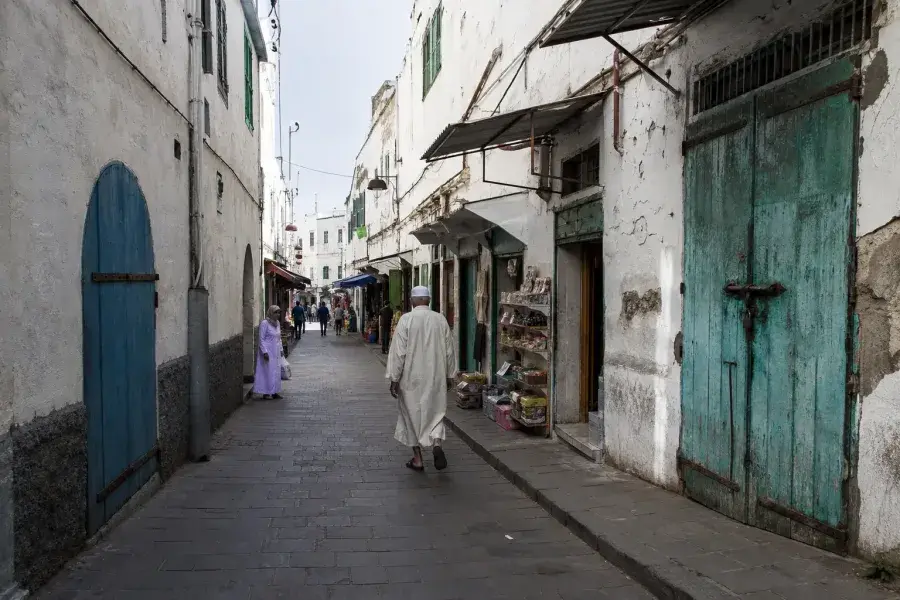
Casablanca’s Old Medina presents a compact network of homes, neighborhood shops and market lanes between the city center and the port. Much of it was rebuilt after the 1755 earthquake, making its history and appearance distinct from Morocco’s older imperial medinas. Explore respectfully during daylight, paying attention to daily community life rather than expecting a monument-centered sightseeing district.

Mahkama du Pacha

Mahkama du Pacha

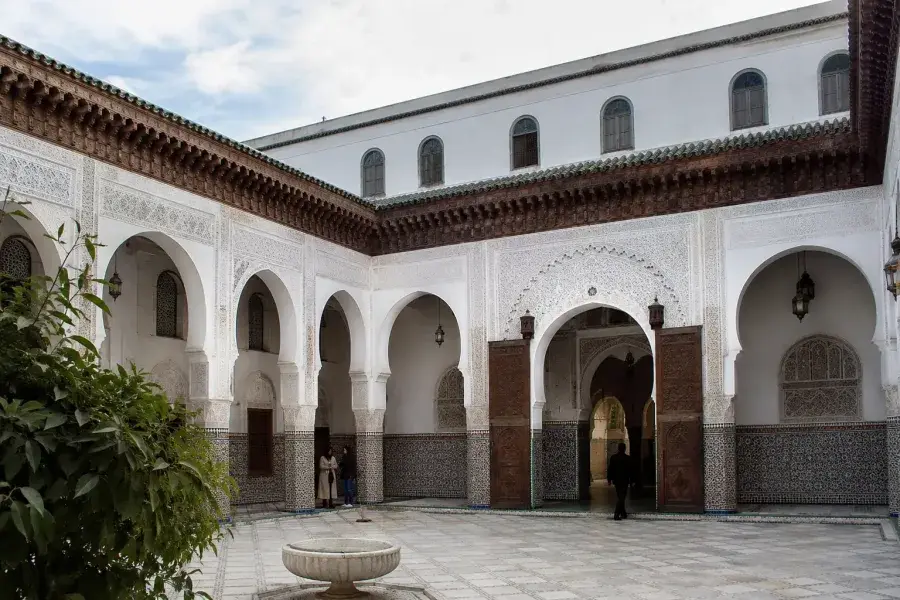
Mahkama du Pacha is an administrative building in the Habous area known for its courtyards, carved plaster, cedar details, arches and geometric tilework. Because it remains associated with official functions, visitor access is not always guaranteed. Include it as a conditional stop rather than promising entry, and confirm the current procedure through an authorized guide before the visit.

Arab League Park

Arab League Park

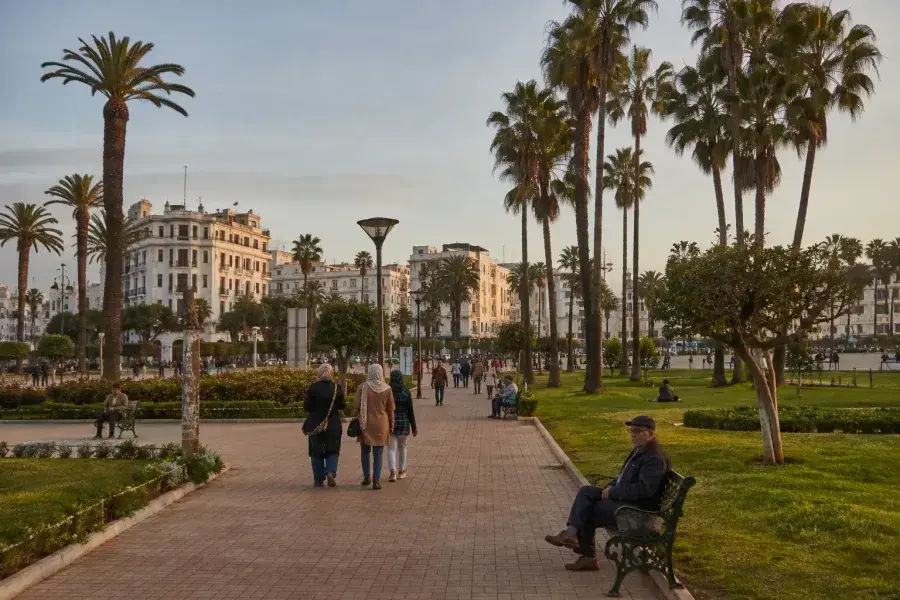
Arab League Park provides a green pause within central Casablanca. Its palm-lined paths, lawns and mature vegetation offer space to walk or rest between downtown architectural stops. The park is most useful as part of a wider city-center route rather than as an isolated attraction, connecting naturally with nearby boulevards, cultural buildings and Casablanca’s early-20th-century urban fabric.

Ain Diab Corniche

Ain Diab Corniche

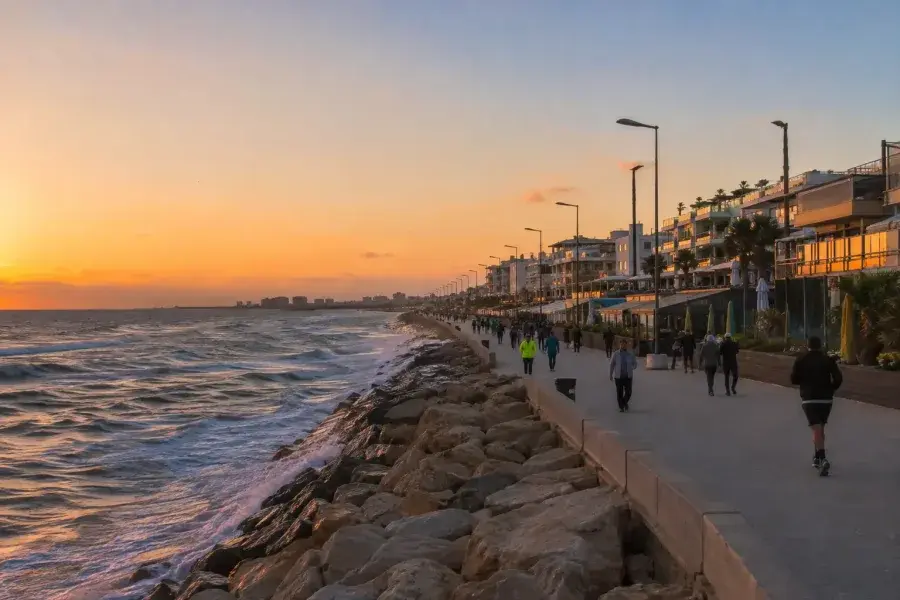
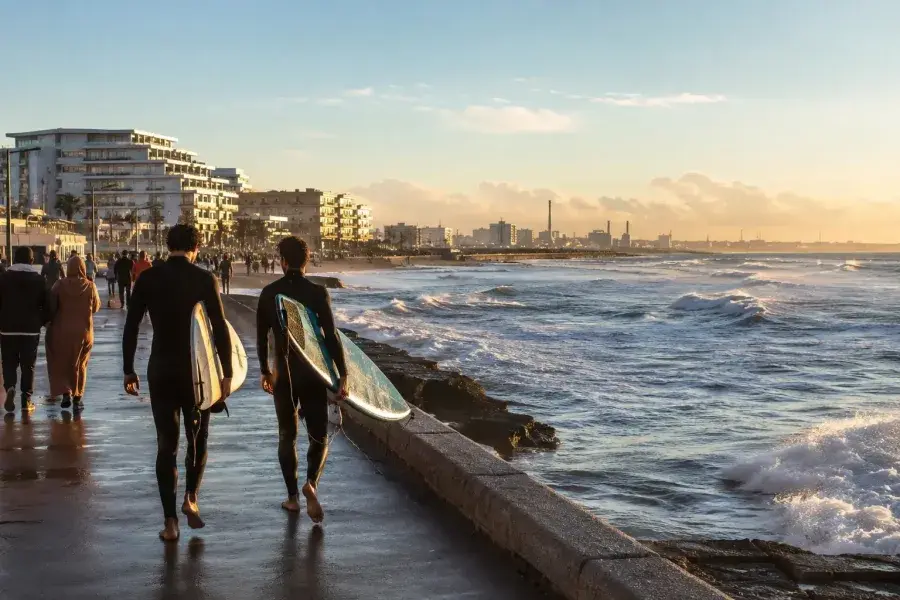
Ain Diab Corniche follows Casablanca’s Atlantic edge through a landscape of promenades, beaches, restaurants and leisure venues. It is especially active toward the end of the day, when residents arrive to walk, exercise and watch the ocean. Swimming and water conditions vary, so visitors should follow local safety guidance rather than assuming every section of coastline is suitable for entering the water.

Authentic Things to Do in Casablanca

Explore Casablanca’s Architecture with a Guide

Explore Casablanca’s Architecture with a Guide

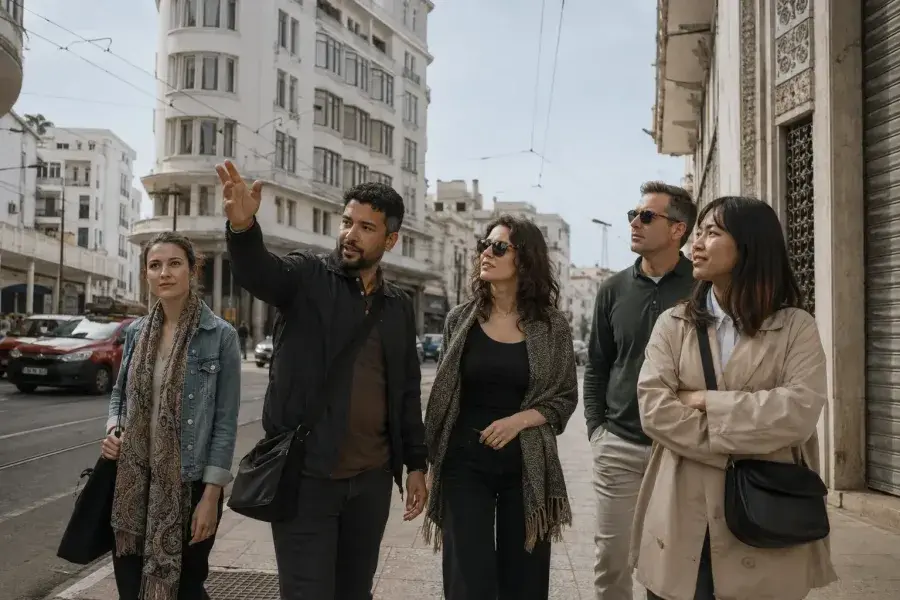
Walk through central Casablanca with a guide who can identify its Art Deco, Streamline Moderne, neo-Moorish and later modernist influences. The experience suits architecture enthusiasts and travelers who want to understand the city beyond individual monuments. A morning departure usually provides comfortable walking conditions and clearer views of façades before central streets become busier.

Join an Official Hassan II Mosque Tour

Join an Official Hassan II Mosque Tour

An official guided visit provides access to the mosque’s monumental prayer hall, minaret hall and ablution spaces while explaining the building’s religious role and craftsmanship. Visitors should dress respectfully and follow photography and conduct rules. Tour times can change during Ramadan or special religious occasions, so confirm directly with the mosque foundation before finalizing the day’s itinerary.

Discover Casablanca’s Central Market

Discover Casablanca’s Central Market

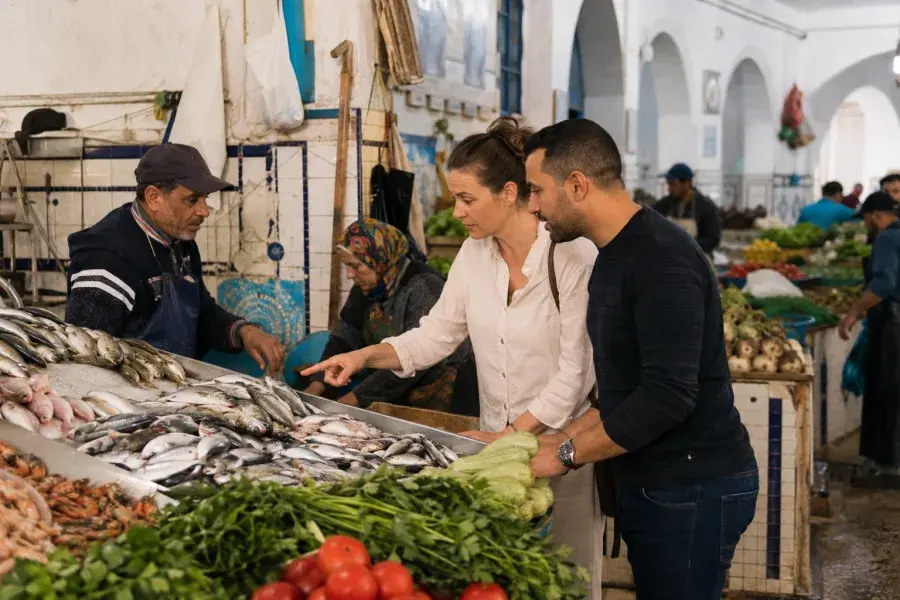
Explore the Central Market to see how fresh Atlantic fish, vegetables, flowers and everyday ingredients move through Casablanca’s food culture. This experience works best with a guide who can facilitate communication and explain unfamiliar produce. Visit earlier in the day for greater market activity, and agree on prices before ordering seafood or requesting preparation at a nearby establishment.

Take a Day Trip to El Jadida

Take a Day Trip to El Jadida

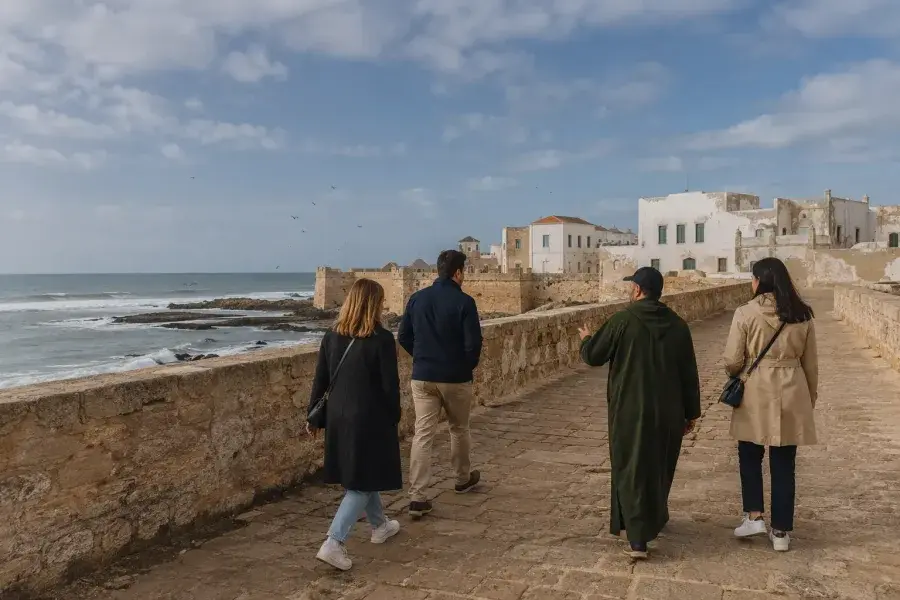
Travel south along the Atlantic coast to El Jadida and explore the Portuguese City of Mazagan, a UNESCO World Heritage property. Its fortifications and surviving Portuguese buildings reflect exchanges between Moroccan and European cultures from the 16th to 18th centuries. This trip suits history and coastal travelers and can be adapted as a private day excursion or overnight extension. UNESCO World Heritage Centre

Browse Books and Crafts in Habous

Browse Books and Crafts in Habous

Walk beneath the Habous Quarter’s arcades to browse bookshops, traditional clothing, crafts, pastries and household goods. The district suits travelers who prefer a relaxed shopping experience with architectural interest. Ask before photographing shopkeepers, inspect handmade items carefully and treat bargaining as a courteous conversation rather than an obligation to force the lowest possible price.

Experience Casablanca’s Atlantic Lifestyle

Experience Casablanca’s Atlantic Lifestyle

Spend the late afternoon along Ain Diab, walking beside the ocean and observing the city’s coastal rhythm. Depending on conditions and the selected provider, active travelers may also arrange surfing or another supervised water activity. This experience is best planned around daylight, weather and sea conditions rather than a fixed promise of calm water.

Travel Guides for Casablanca

Start Your Morocco Journey in Casablanca

Whether Casablanca is your first arrival, a focused city stay or the starting point for a longer private circuit, DesertBrise Travel can coordinate the route around your flights, available time and interests. Combine dependable transfers with locally guided experiences and a realistic itinerary connecting Casablanca with the rest of Morocco.

WhatsApp