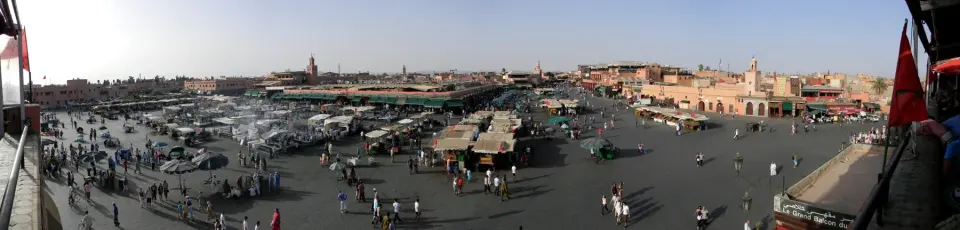
Start with what the price actually includes
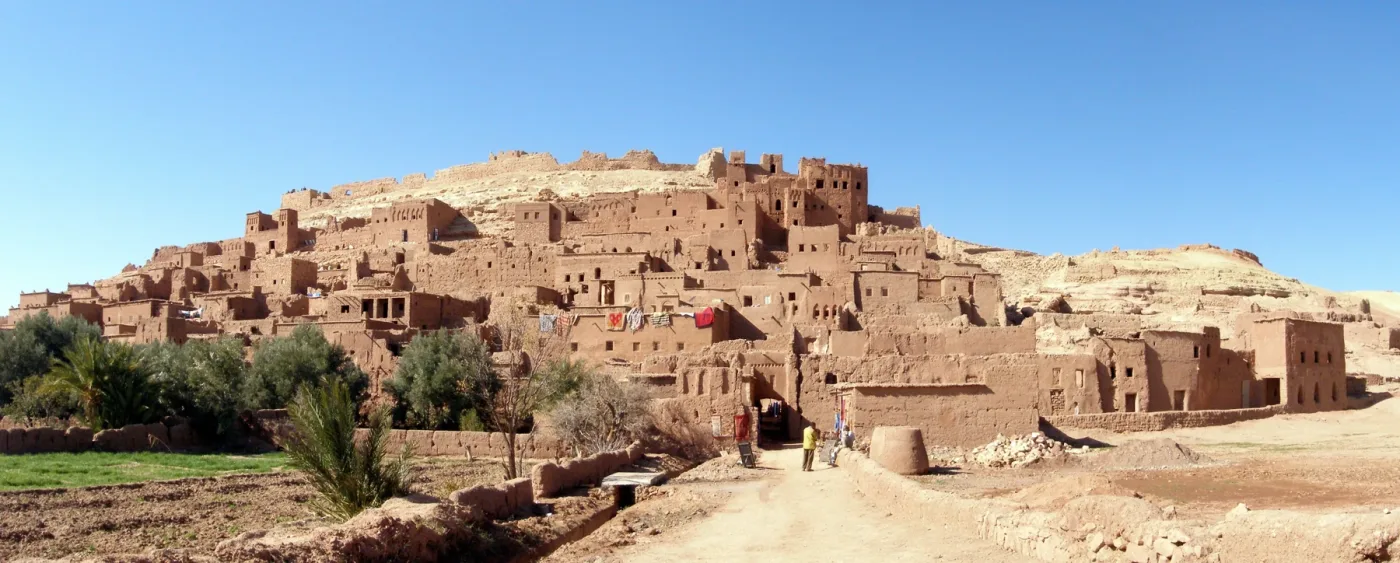
“How much does Morocco cost?” is a fair question, but a single figure hides the journey. A week based in Marrakech with trains and day trips is not financially comparable with ten days crossing the Atlas, staying in remote valleys and sleeping in a desert camp. Start with three columns: everyday spending, the long journeys between places, and experiences you would book specially. A stop at Aït Ben Haddou on a southern circuit adds a real place and visit time to the budget.
The figures here are planning allowances in Moroccan dirhams (MAD), checked in October 2026. They are not DesertBrise prices, guaranteed hotel rates or exchange-rate promises. Ask for a dated quote before paying, and check your card conversion at the time of travel. Morocco’s official currency is the dirham; carry some cash for smaller shops, taxis and rural stops.
Daily budgets in dirhams: the useful starting point
For one adult travelling independently, a careful daily allowance is approximately 450–700 MAD. Think simple accommodation, local meals and routine local transport. A comfortable allowance of 900–1,600 MAD supports a good riad, varied restaurants and ordinary city spending; the low end assumes two people share a room. A luxury trip has no useful national ceiling.
These bands deliberately exclude international flights, long intercity moves, a hired vehicle and driver, premium activities and a multi-day Sahara circuit. Do not multiply a modest city-day figure by ten and assume it will also cover a private car from Fes to the dunes. Public travel guides publish very different “daily costs” because their basket of expenses differs.
Accommodation: price the room before dividing by people
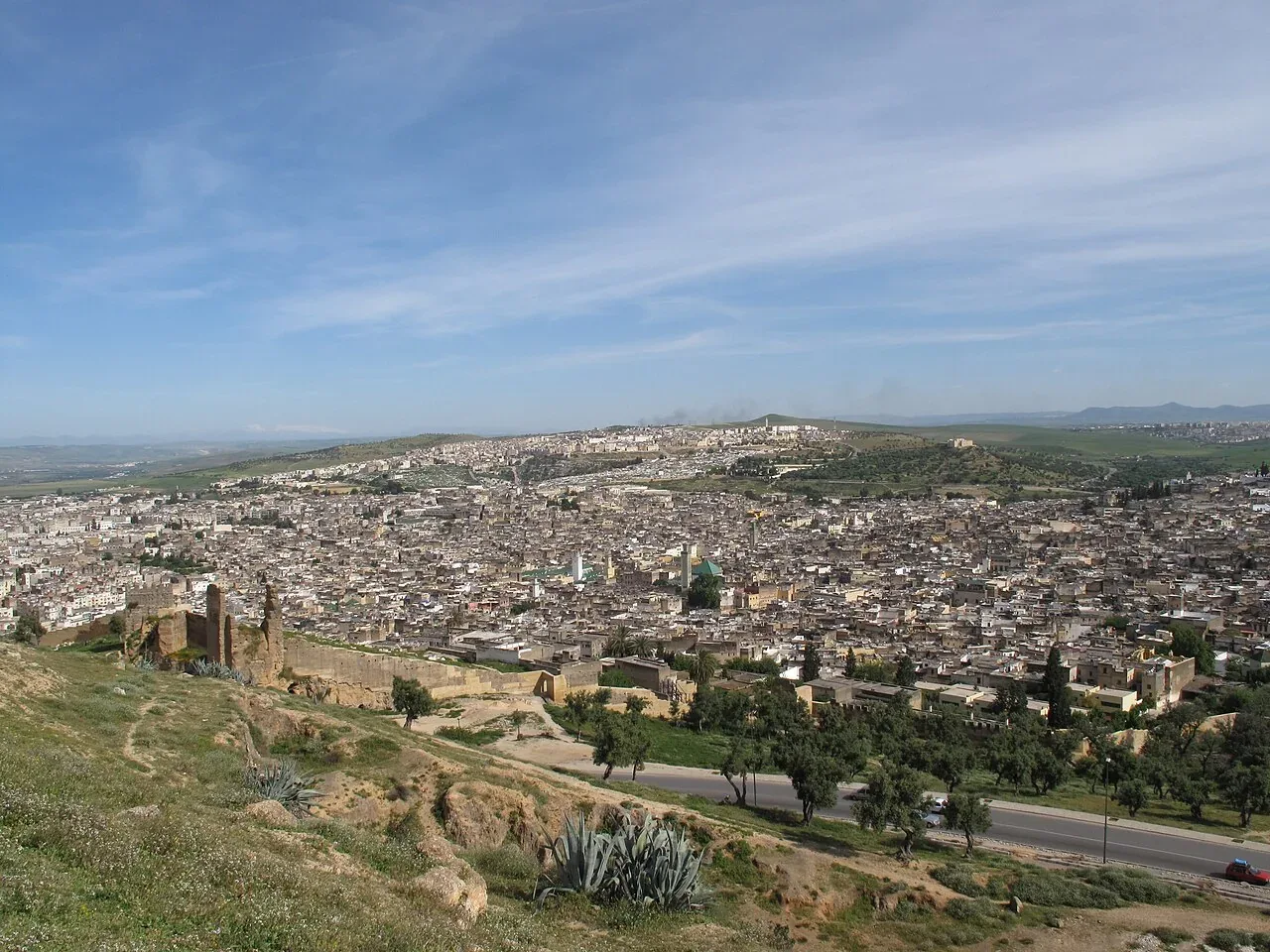
Compare rooms on the same basis: price per room, number of occupants, breakfast, local taxes, cancellation terms and the real location of the property. A medina riad can be charming but a long walk from the nearest vehicle gate; arriving with luggage changes the practical value of a low nightly rate.
A couple splitting one room sees a much lower per-person accommodation figure than a solo traveller. The same happens with family rooms, except that capacity, extra beds and child policies matter. During school holidays or popular spring and autumn weeks, check actual dates rather than applying an annual average.
Food and cash: the small totals that add up
A local breakfast may be included in the room, while lunch and dinner can range from simple neighbourhood food to a restaurant terrace. Budget separately for drinks, bottled water where needed, coffees and snacks on long road days. Do not take the cheapest meal found online as the realistic cost of every meal.
Carry some dirhams for small purchases and tips, but do not carry the entire tour budget in cash. Ask your card provider about exchange and ATM fees. A quoted tour may include breakfasts and certain dinners, while lunches and drinks remain yours to pay: read the inclusion list line by line.
Transport: trains, buses, rental cars and private drivers
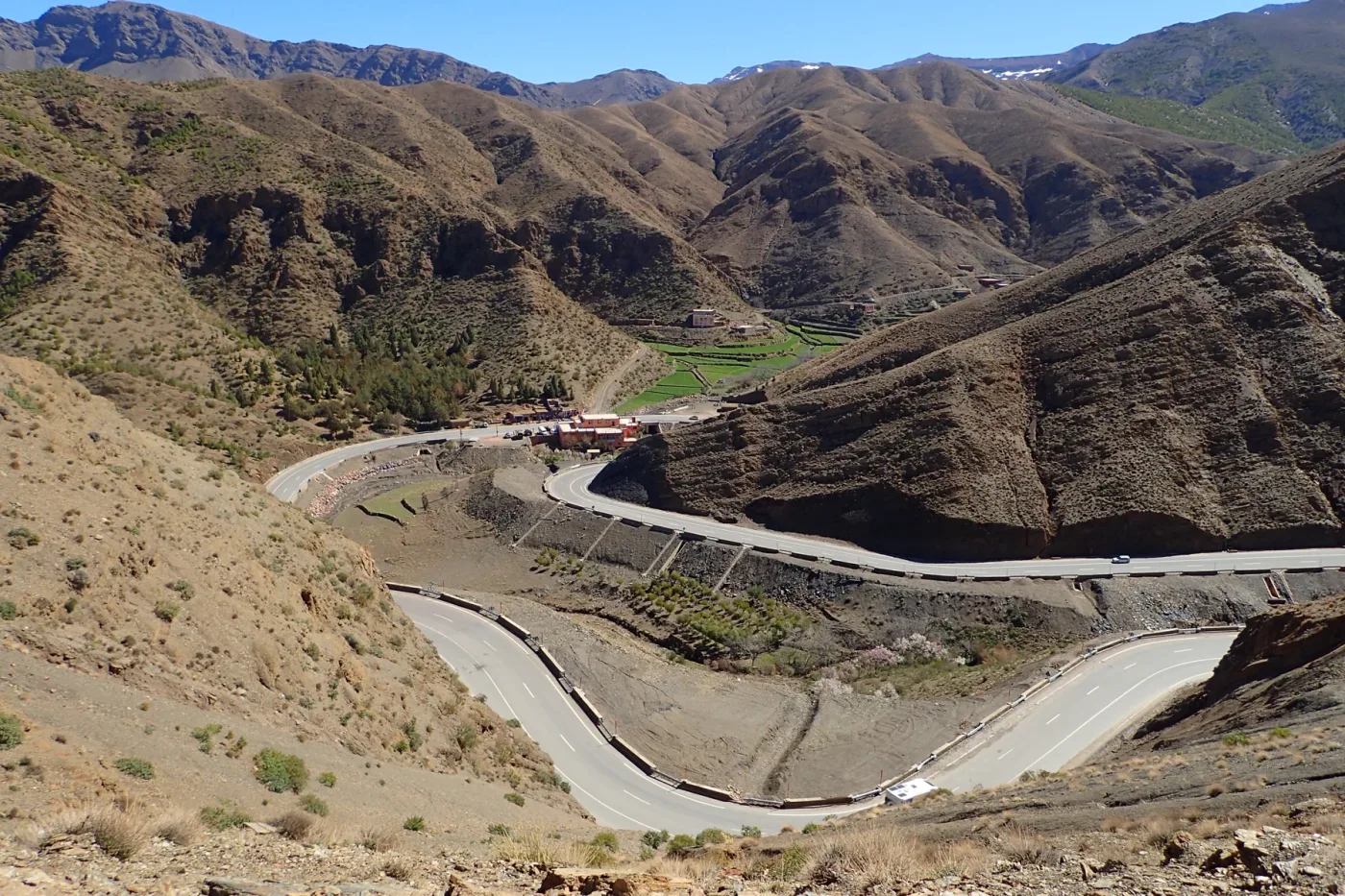
Rail connects major cities including Casablanca, Rabat, Fes and Marrakech. Buses reach many places outside the rail network. Compare the real total: station transfer, departure time, luggage and the price of a missed connection. If your week stays mostly between cities, public transport can keep costs down.
The Sahara is a different calculation. A rental car means fuel, tolls where applicable, parking, insurance terms and a driver who is comfortable with long days. A private vehicle costs more, but the vehicle is shared among the people travelling together. For a quote, specify each day’s route, vehicle type, fuel, driver accommodation and whether any off-road transfer is included.
Why a Sahara tour changes the total
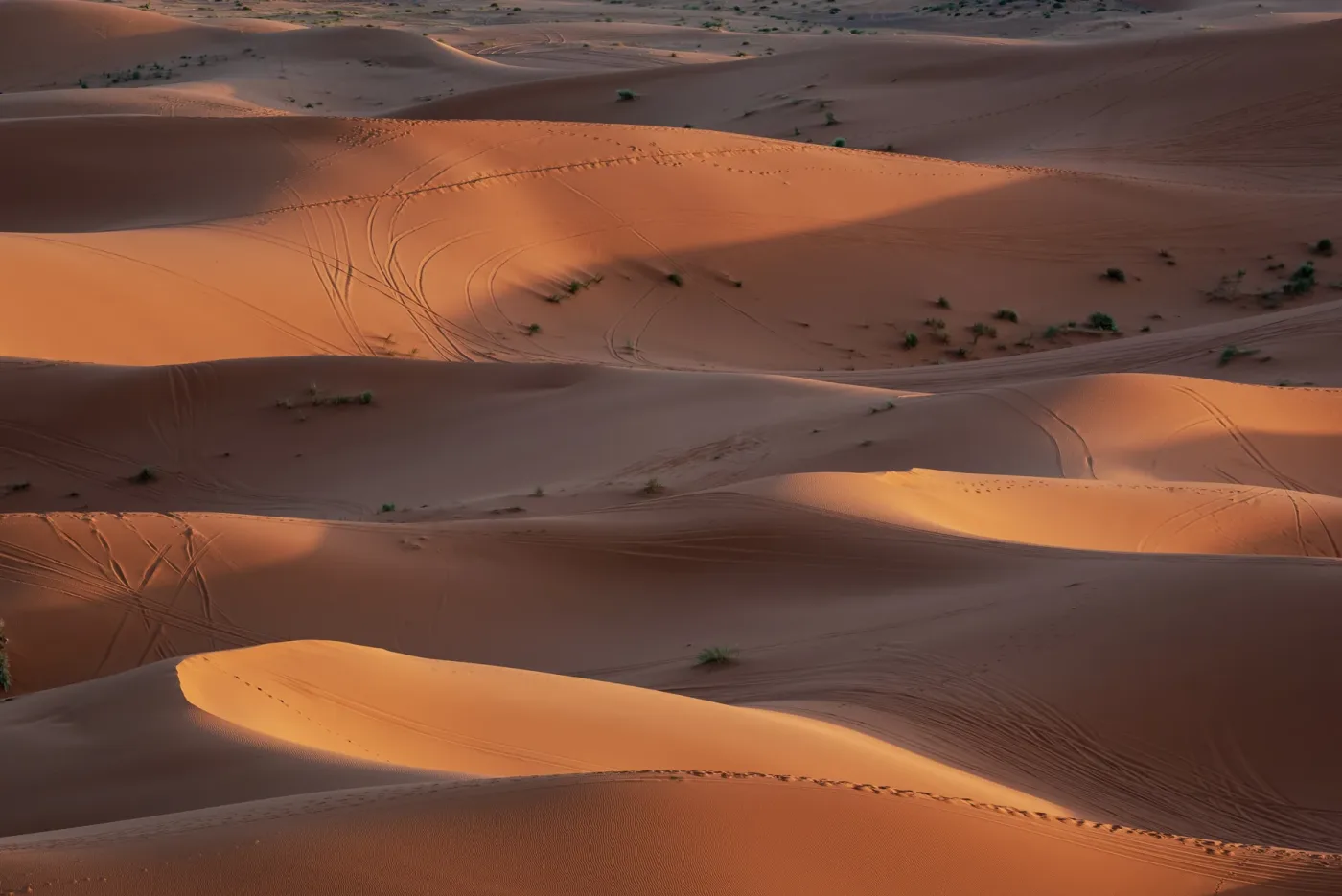
A desert camp price alone is not the cost of reaching the Sahara from Marrakech or Fes. Count the Atlas crossing, road-night accommodation, transport, camp, meals, camel activity if wanted and the journey onward. A short inexpensive departure can have many shared road hours and one brief dune evening; a private multi-day trip serves a different purpose.
Ask whether the camp is in Erg Chebbi near Merzouga, the M’Hamid and Erg Chigaga region, or Agafay near Marrakech. These are distinct locations and logistics. Check standard versus private bathroom, heating or bedding in winter, and whether lunches, entrance fees, drinks, tips and optional quad rides are excluded.
Seven, ten and fourteen days: worked examples
Use the daily figures only for the ordinary independent-travel portion. Seven days at 450–700 MAD is 3,150–4,900 MAD per person; at 900–1,600 MAD it is 6,300–11,200 MAD. Ten days become 4,500–7,000 MAD or 9,000–16,000 MAD. Fourteen days become 6,300–9,800 MAD or 12,600–22,400 MAD.
These totals are arithmetic examples, not all-in Morocco holiday prices. Add flights, intercity tickets, any private driver or guided itinerary, desert nights and paid experiences separately. If a tour already includes hotels or meals, remove those items from your personal allowance to avoid counting them twice.
How to compare two private-tour quotes
Request an itinerary with daily overnight locations and realistic driving times. Then compare what each quote actually buys: vehicle, group size, driver language, hotel category, exact camp, meals, activities, local guides, entry fees and support if plans change. “Ten days, Sahara, luxury camp” is not enough detail to judge a price.
Ask whether the price is for the whole group or per person, which currency applies, how many people share each room, what deposit and cancellation terms apply, and whether dates or seasonal supplements can change the total. A lower quote may be excellent; it may also leave important components to be paid on the road.
Where spending more helps, and where it does not
Pay for the things that protect your time: an overnight stop on a long route, the right vehicle, a local guide in a complex medina and a camp that matches your comfort needs. A second night by the dunes can be more valuable than an additional hurried town.
Save by choosing fewer regions, taking the train for city-to-city legs, sharing a vehicle with companions, or choosing a good mid-range riad rather than upgrading every night. Resist paying for a long “highlights” loop if the schedule offers little time anywhere.
A budget that fits your route, not someone else’s
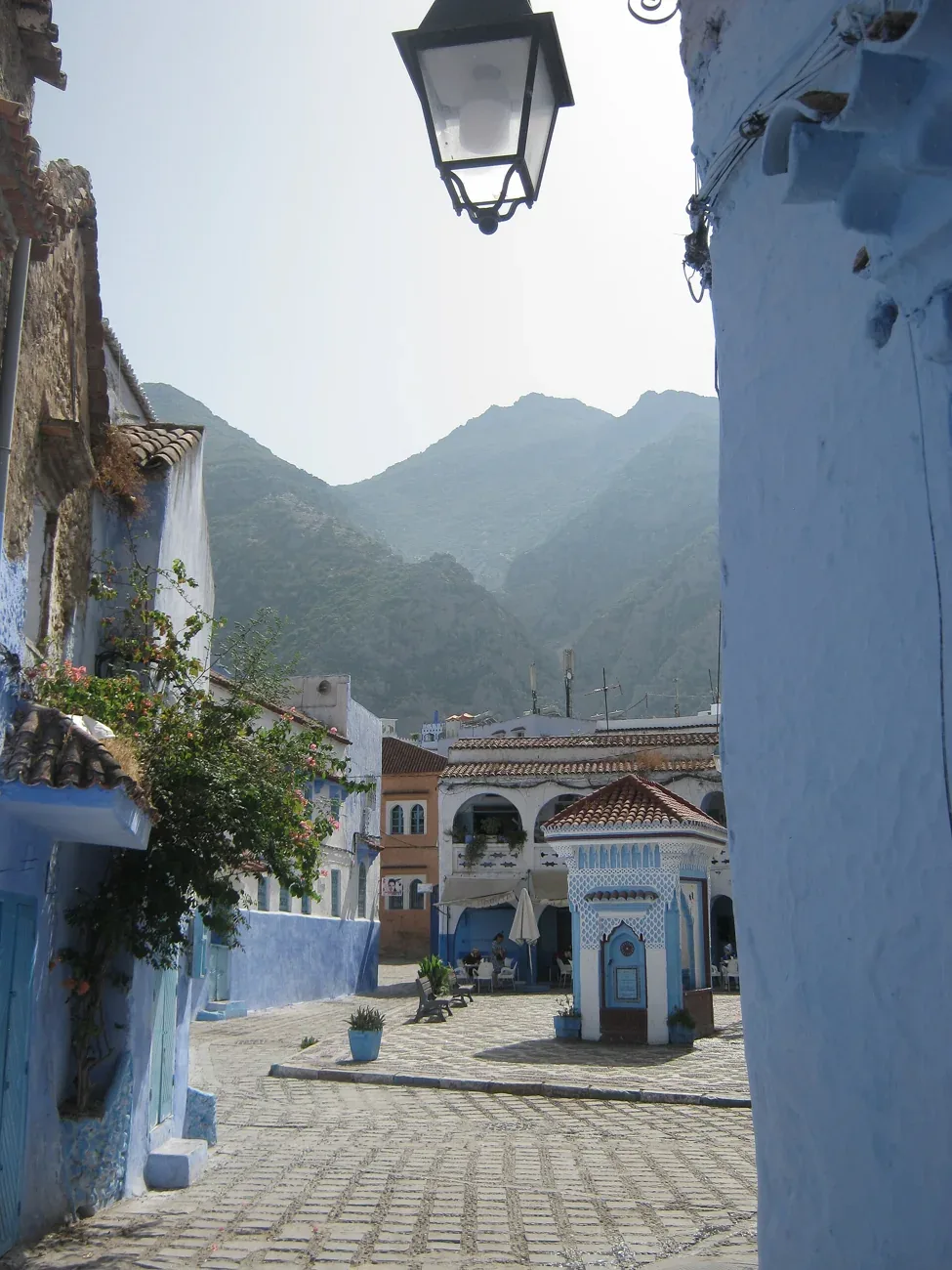
Before requesting a quote, write down your flight cities, travel dates, number of adults and children, room arrangement, maximum acceptable road time, and the one or two experiences you will not remove. Decide whether your priority is independent travel, a short shared departure, or a private route. For example, adding Chefchaouen to a city itinerary means transport to the Rif and another overnight stop.
DesertBrise can build a priced itinerary once those facts are clear. We can show exactly where the money goes and which elements are included. A transparent proposal should help you decide whether the route fits your budget before you commit.