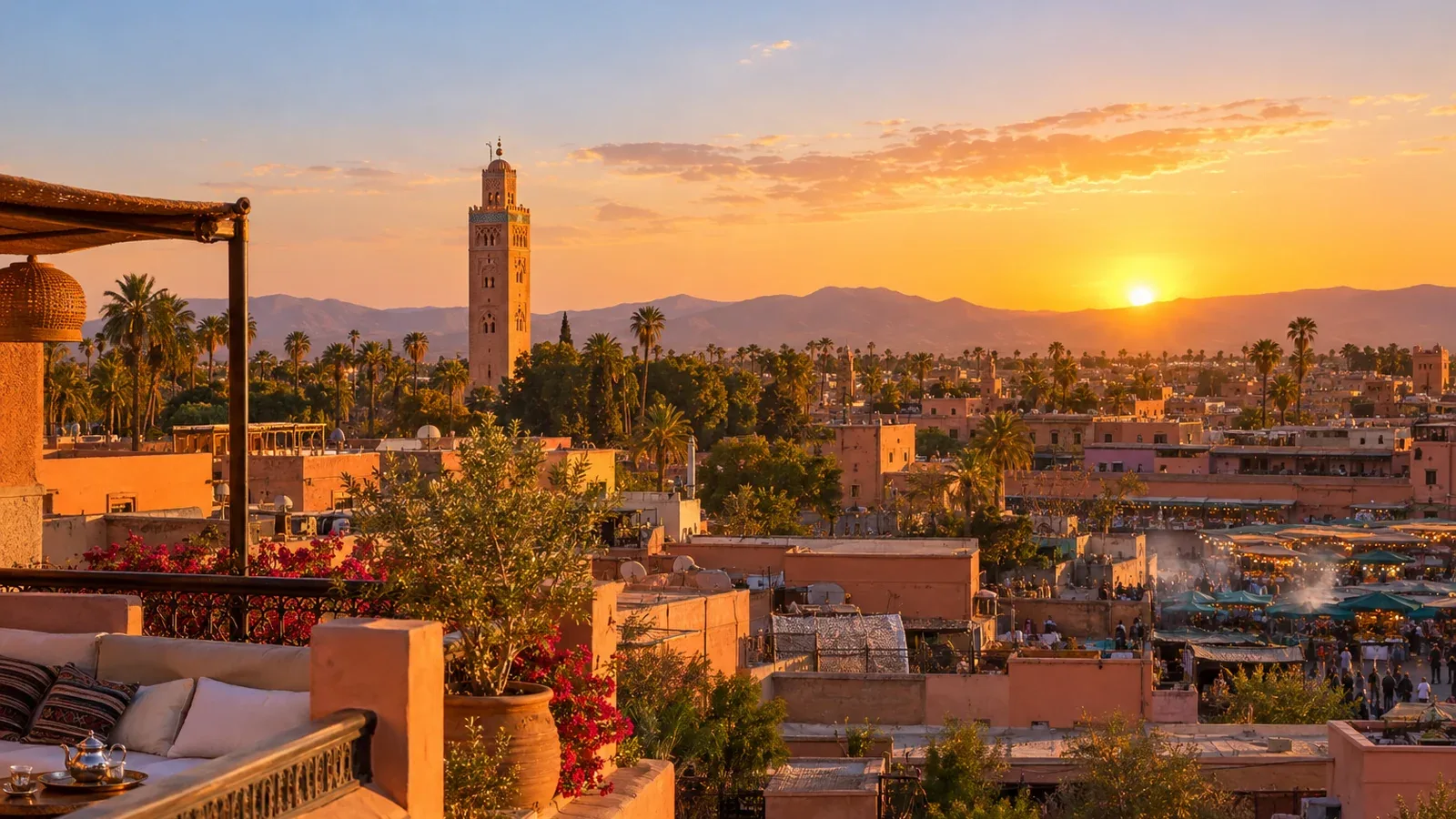
Why three days works so well in Marrakech
For an international first-time visitor, Marrakech is compact on a map but not always fast on the ground. The medina is made for walking, stopping, looking up, entering courtyards and changing direction when a lane becomes interesting. Three days gives you enough structure to see the city’s essential places without stripping away the wandering that makes Marrakech memorable.
The most efficient plan is not to chase a maximum number of attractions. It is to give each day a clear rhythm. Day 1 is orientation and the old city. Day 2 is architecture, gardens and a slower experience. Day 3 depends on the rest of your Morocco journey: stay in Marrakech if this is your only city time, or head toward the High Atlas if your wider route does not already include mountain villages.
This guide is written for travelers planning a long weekend, a first stop on a longer Morocco tour, or a three-night stay before continuing toward the Sahara, Essaouira, Fes or Casablanca. It assumes you would rather remember the city clearly than return home with a list of twenty rushed check-ins.
For useful historical context before you start walking, see the UNESCO World Heritage listing for the Medina of Marrakesh, which explains why the old city is internationally recognized for its urban and architectural heritage.
Day 1 morning: enter the medina slowly
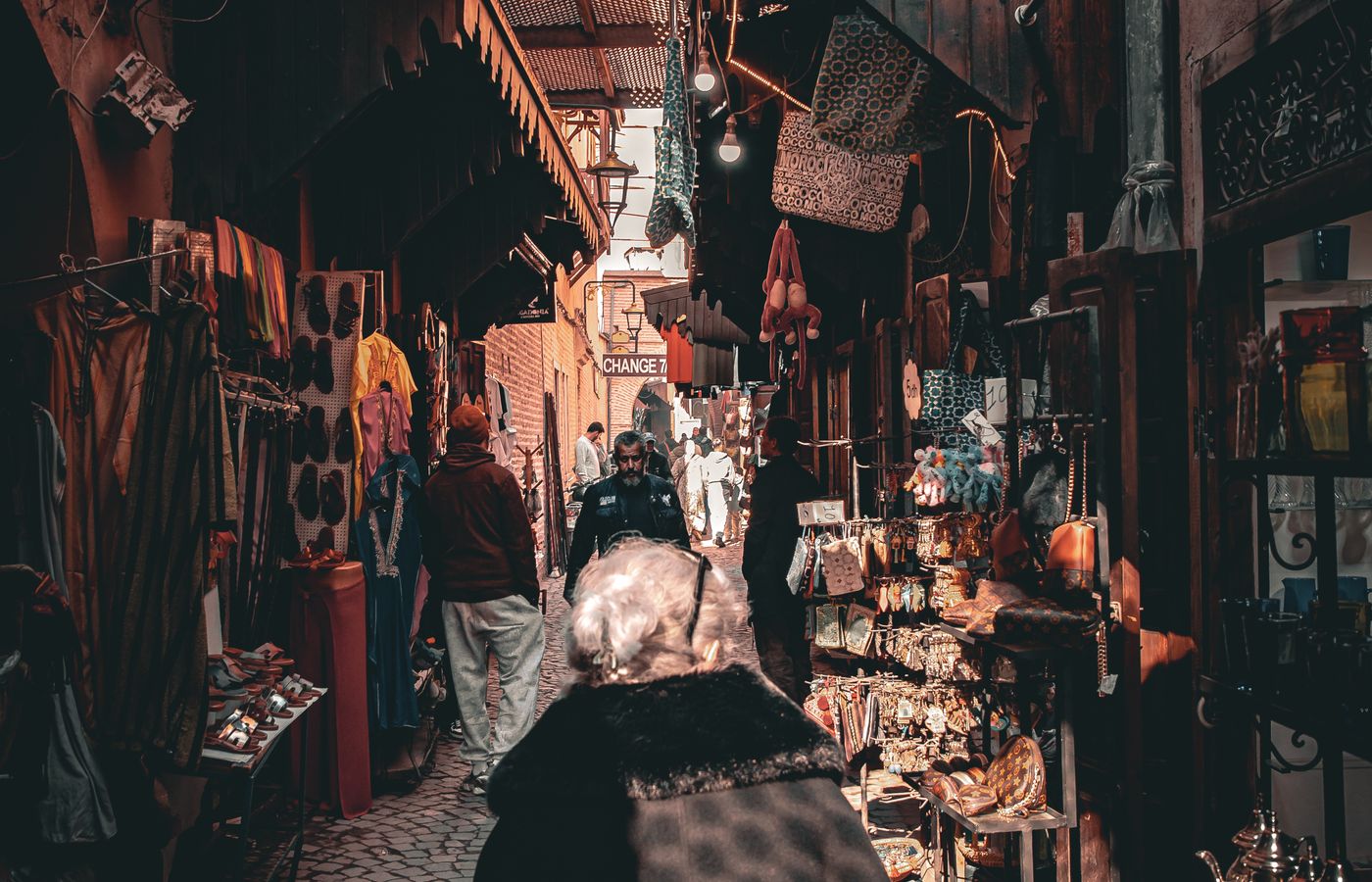
Begin your first full morning inside or close to the medina. If you are staying in a riad, let the contrast between the quiet courtyard and the streets outside become part of the experience. Walk toward the central souks without trying to shop immediately. The first hour is for orientation: notice the difference between residential lanes, workshops, market passages and the routes that feed toward Jemaa el-Fna.
A good local guide can be useful for the first half-day, especially if you want historical context or feel uncomfortable navigating a dense old city alone. The value is not simply “not getting lost.” A useful guide explains how the medina works, points out craftsmanship and architecture you would otherwise miss, and helps you understand which streets connect the northern souks, Koutoubia, the palace quarter and the main square.
Keep the morning geographically tight. Ben Youssef Madrasa, the northern medina and nearby souks fit naturally together. Koutoubia works well as a visual reference point when you later move toward the square. Do not schedule Majorelle, Bahia and the souks back-to-back simply because they all appear close in a search result.
Day 1 afternoon and evening: souks, Koutoubia and Jemaa el-Fna
After a proper lunch, return to the souks with less pressure. The interesting part is not only what is for sale but how the market is organized: leather, metal, lamps, textiles, spices, woodwork and small workshops often cluster in different areas. If you want to buy something, compare first and decide later. Turning the first afternoon into a negotiation marathon is one of the quickest ways to tire yourself out.
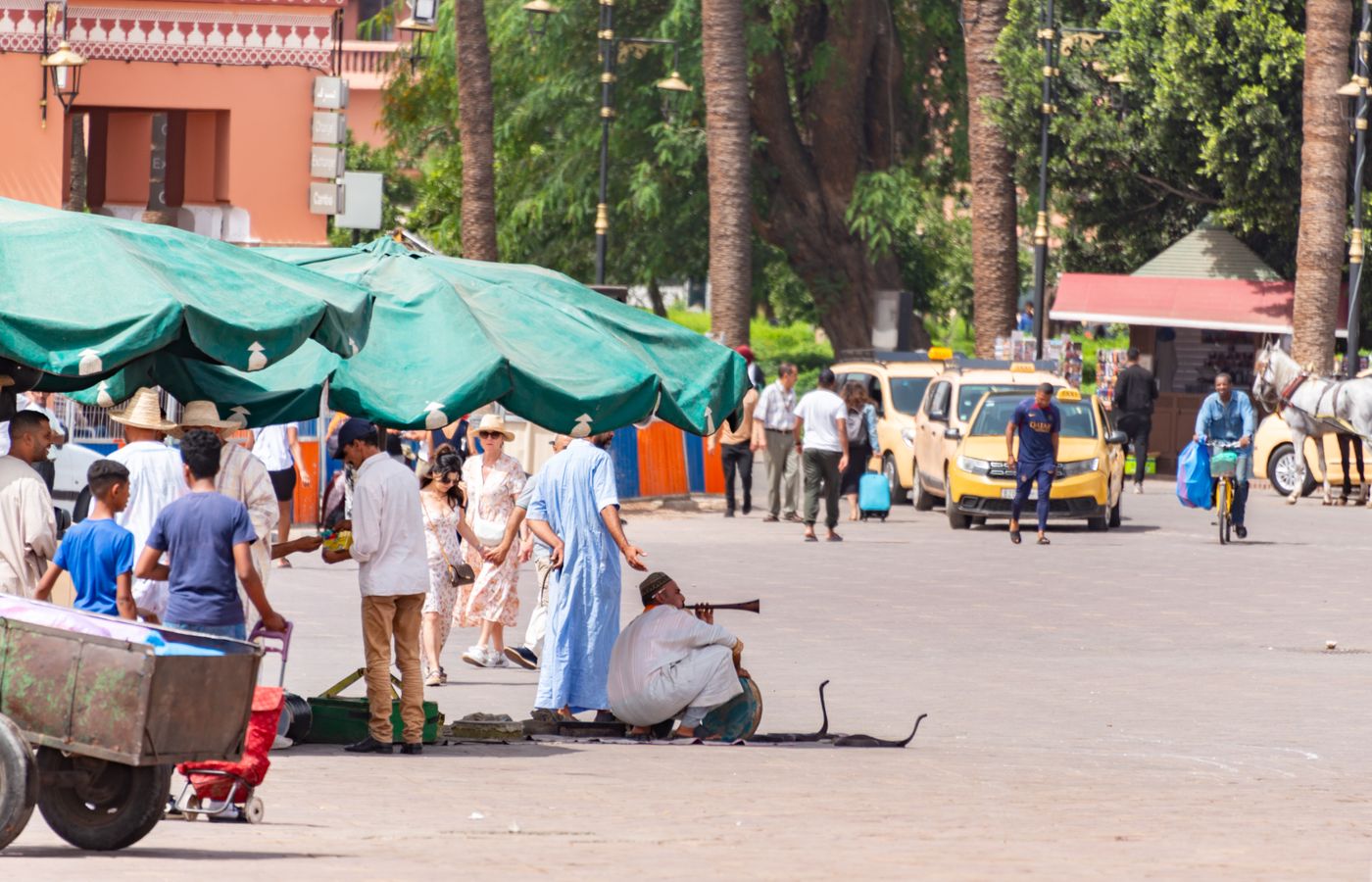
Move toward the Koutoubia area in the later afternoon, then return to Jemaa el-Fna as daylight changes. The square is a different place after sunset. Food stalls appear, smoke rises above grills, the crowd thickens and the surrounding rooftops become excellent viewpoints. Walk through the square once at ground level and then look at it from above. Those two perspectives make the evening easier to understand.
Finish with dinner somewhere that suits your energy level rather than the most photographed restaurant on social media. If your flight arrived late the night before, this is already a full day. Marrakech is much better when you end with some energy left for tomorrow.
For an official destination overview, you can also consult the official Marrakech guide from the Moroccan National Tourist Office before deciding which sights matter most to you.
Day 2 morning: palaces, design and the history behind the decoration
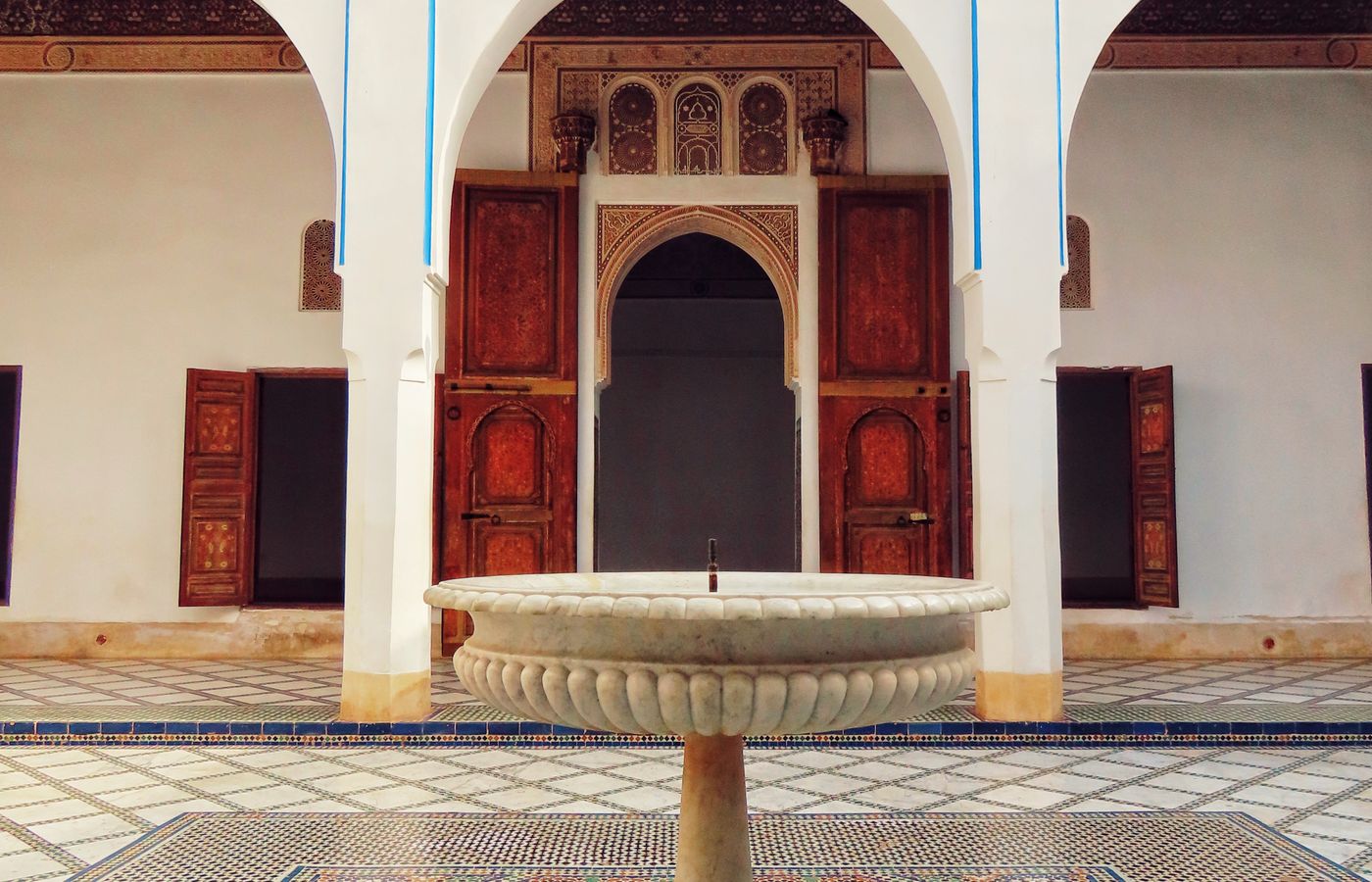
Use the second morning for one or two historic interiors. Bahia Palace is especially useful for understanding how courtyards, shade, painted wood, plasterwork and zellige work together. Ben Youssef Madrasa offers a different story, centered on learning, religious architecture and decorative detail. The point is not to collect buildings; it is to slow down enough to see why the spaces feel the way they do.
Arrive early at the site that matters most to you and avoid stacking too many monuments into the same morning. Once carved ceilings and tiled courtyards start blending together, you have stopped seeing them. Spend time in the quieter corners, look at the ceilings and doorways, and pay attention to the way rooms open toward courtyards rather than toward the street.
This is also a good day to pass through the Mellah or the southern medina if that fits your interests, but keep the route coherent. A better Marrakech itinerary is usually built around neighborhoods rather than a list of star ratings.
Day 2 afternoon: garden time, hammam and a slower city
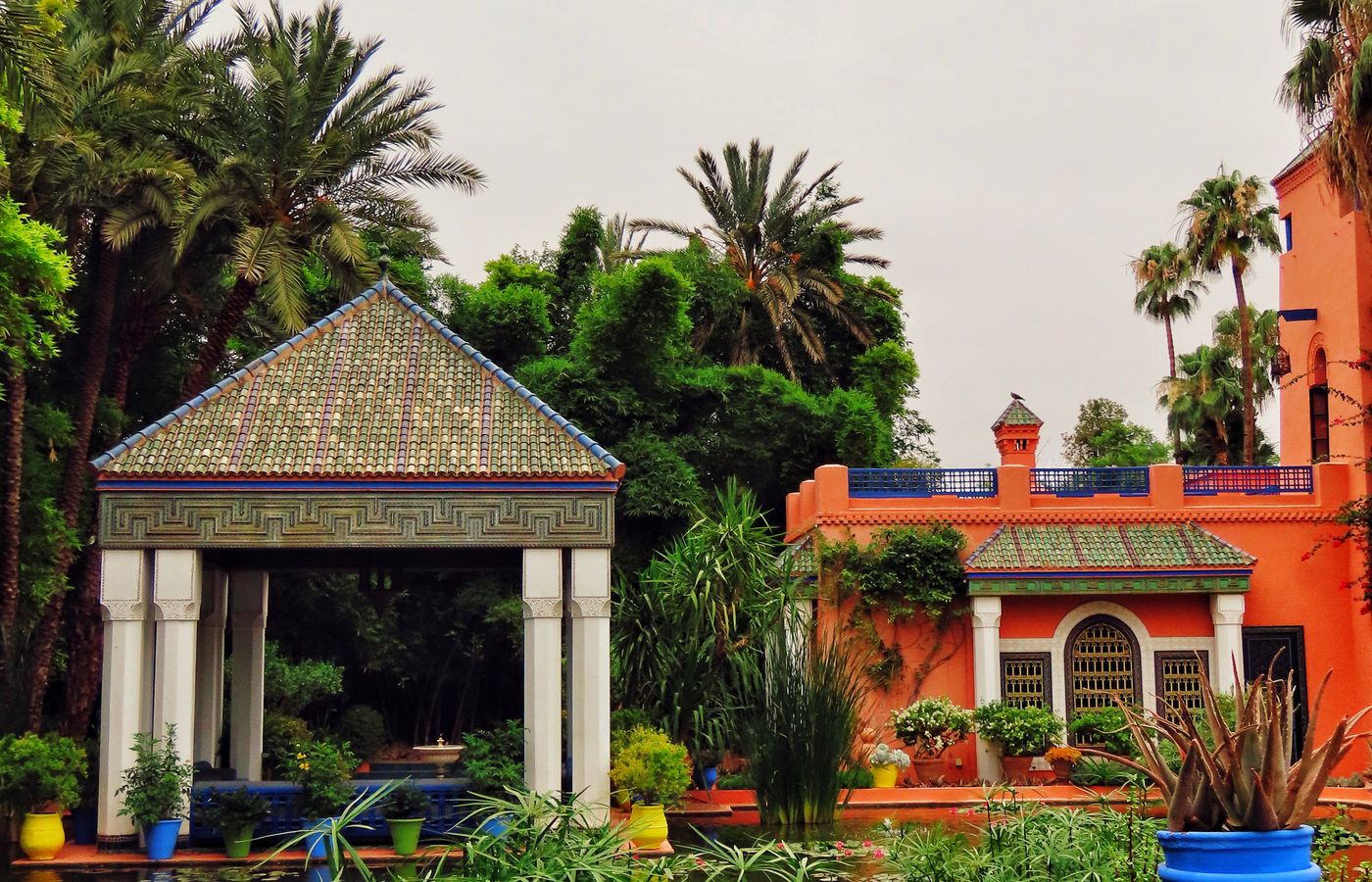
After a dense morning, change the sensory rhythm. A garden gives your eyes and feet a break from narrow streets and decorative interiors. Jardin Majorelle is the famous option; because popular Marrakech attractions can use timed or limited entry, book important slots in advance rather than assuming you can always walk in at the exact hour you want.
A hammam is another strong second-day choice. Decide whether you want a neighborhood-style traditional hammam or a private spa-style experience in a riad or hotel. They are different products. Privacy, comfort, couples treatments and a gentle first introduction often matter more than trying to prove that the least comfortable option is the most “authentic.”
Keep the evening flexible. This is a good night for a longer dinner, a rooftop sunset or a quiet meal close to your accommodation. The second day should make Marrakech feel more layered, not simply more crowded with attractions.
Before visiting, check the official Jardin Majorelle website for current opening times, ticket rules and practical visitor information.
Day 3: stay in Marrakech or go to the Atlas Mountains?
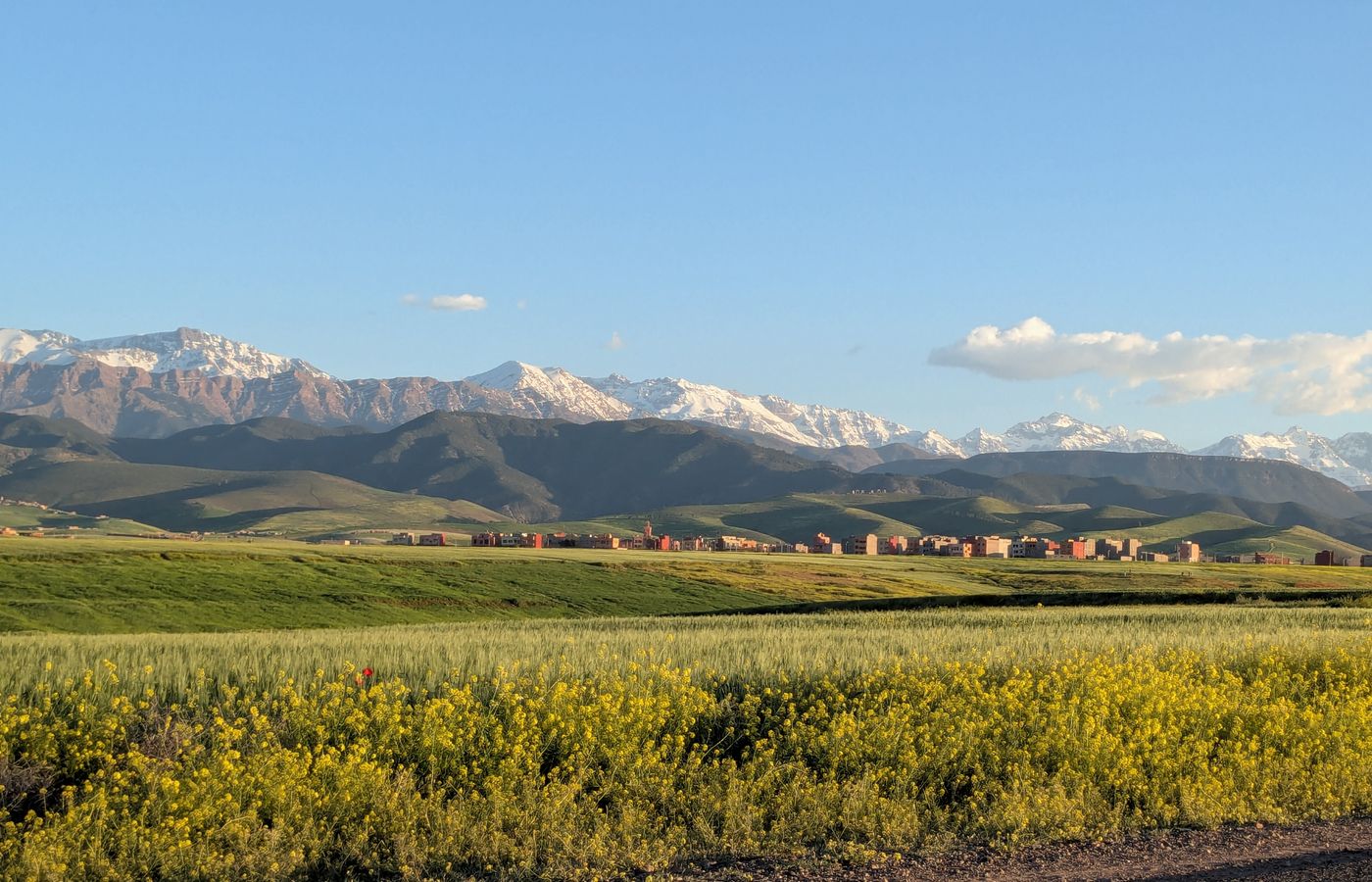
Your third day should depend on the rest of your itinerary. If Marrakech is your only substantial city stop, stay. Revisit the souks with a clearer sense of what you actually want, explore Gueliz for a modern contrast, take a cooking class, spend longer over lunch, or choose one museum or neighborhood you deliberately skipped. The city becomes more enjoyable once you stop treating every hour as a booking slot.
Choose the High Atlas instead if two city days already feel complete and your wider Morocco trip does not include meaningful mountain time. A good mountain day is not a string of roadside photo stops. It should include time to walk, understand the landscape, eat without rushing and, when appropriate, spend time with a local mountain guide.
Do not try to turn Day 3 into a “Sahara day trip.” The true dune regions around Merzouga and the southern routes toward M’Hamid or Erg Chigaga need a separate multi-day journey. Agafay can provide a rocky desert landscape close to Marrakech, but it is a different environment from the Sahara and should be described honestly.
Where to stay for a three-day Marrakech itinerary

For this route, the medina is the simplest base for many first-time visitors. You can walk to large parts of Day 1 and Day 2, return to your riad for a midday pause, and experience the classic contrast between busy lanes outside and a quiet courtyard inside. The trade-off is access: many riads sit on pedestrian lanes where a vehicle cannot stop at the door.
Gueliz is better for travelers who prefer wider streets, contemporary cafés and straightforward taxi access. Hivernage suits travelers who want larger hotels, pools, spas and a more conventional resort feel. The Palmeraie works when relaxation is a bigger priority than walking to monuments.
Choose the neighborhood that supports your schedule. A beautiful hotel that adds forty minutes of transport to every medina visit may be the wrong hotel for a short stay.
Getting around without wasting your three days
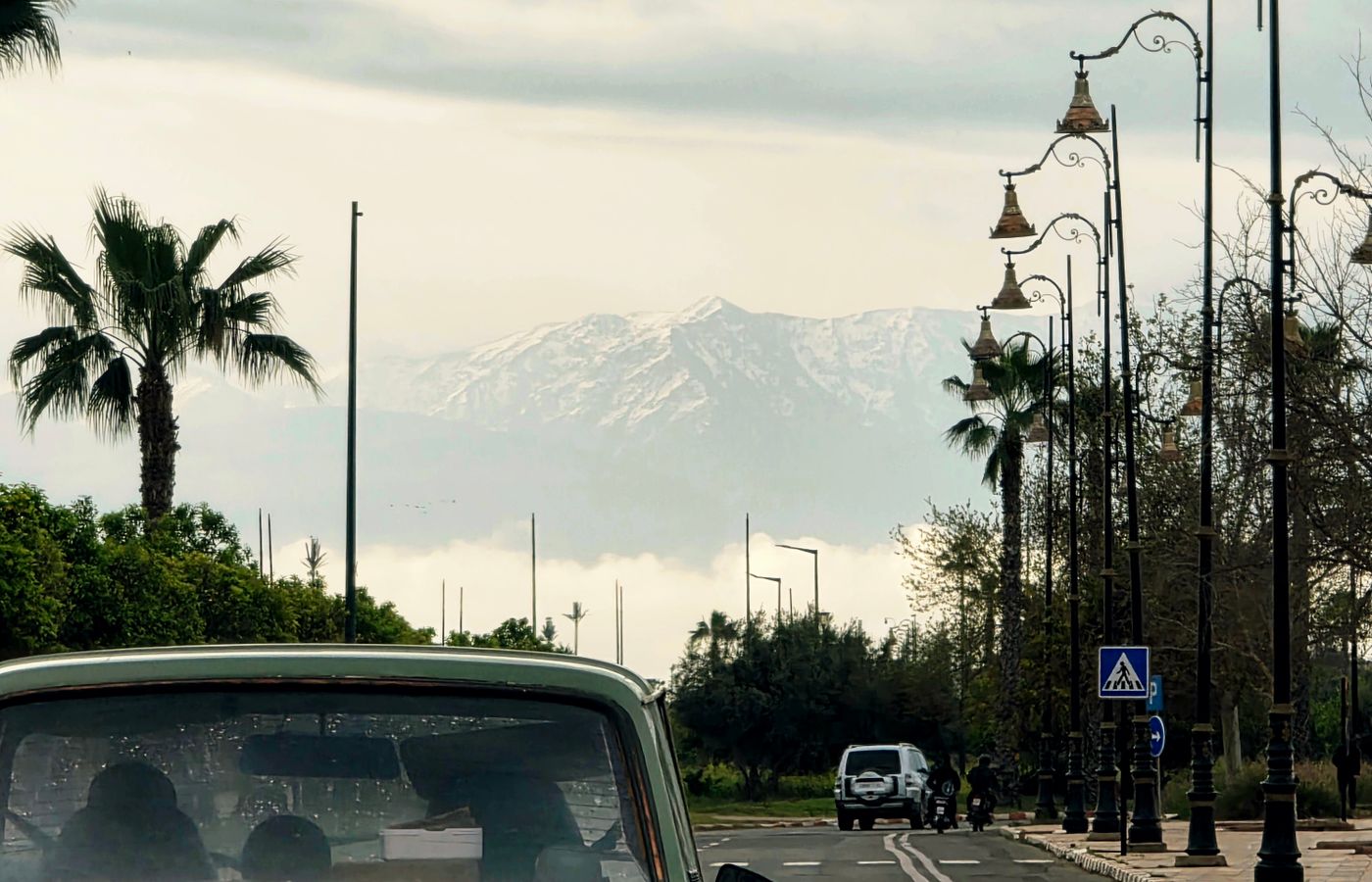
Most of the historic medina is best explored on foot. For longer jumps between the old city, Gueliz, gardens and hotel districts, use a small taxi or pre-arranged transfer. The practical detail first-time visitors often miss is that “hotel transfer” may end at the nearest accessible gate or lane if your riad is deep inside the medina.
Save your accommodation location offline and know the nearest vehicle access point. This matters most on arrival night, when narrow lanes feel more confusing than they do the following morning. If your flight lands late, arranging a pickup through your accommodation or tour operator is often worth it simply to remove uncertainty from the first hour.
Avoid renting a car just to move around central Marrakech. A car becomes more useful when you leave the city as part of a wider Morocco route, not when you are trying to park beside the souks.
Food, shopping and the pace that makes Marrakech enjoyable
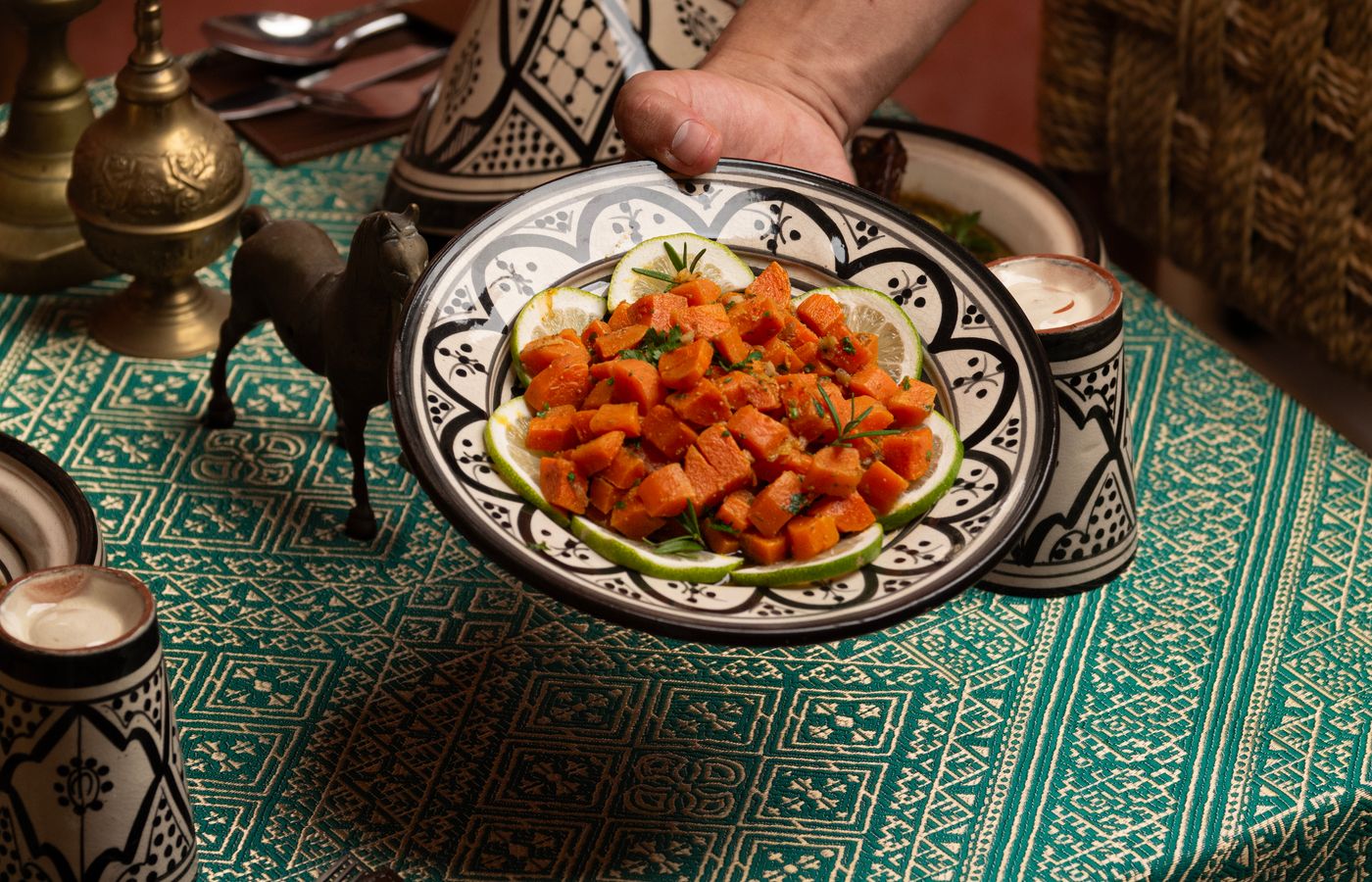
Build proper meal breaks into the itinerary. Moroccan food is part of the trip, but every meal does not have to be a destination restaurant. A simple lunch between visits can protect your energy better than a long detour across town. In the evening, decide whether you want the atmosphere of a rooftop, a more refined Moroccan dinner or something easy near the riad.
For shopping, compare before committing and decide what matters to you. Carpets, leather, ceramics and metalwork vary hugely in quality and price. Good travel planning leaves enough time to ask questions and walk away when you are unsure. You do not need to buy on Day 1.
Most importantly, leave blank space. Marrakech rewards travelers who notice a workshop, sit for tea, change direction because a courtyard looks interesting or return somewhere at a different hour. The unscheduled pieces are often what separate a real city memory from a sightseeing list.
How three days in Marrakech fits into a longer Morocco trip
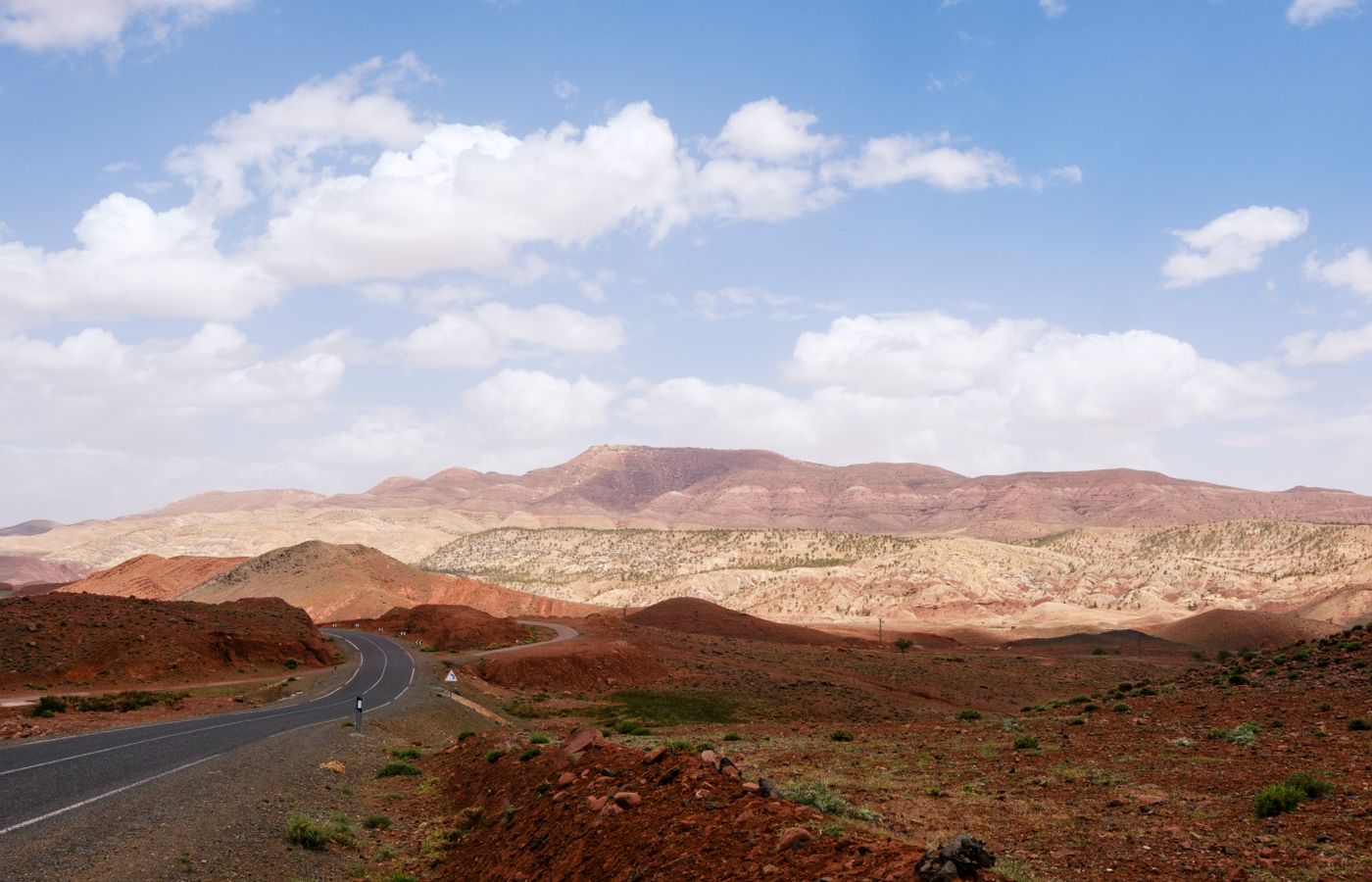
Marrakech works well at the beginning or end of a larger Morocco route. From here you can cross the High Atlas toward Ait Ben Haddou and Ouarzazate, continue through southern valleys toward the Sahara, turn west to Essaouira, or connect north through Casablanca and onward to Rabat, Fes and Chefchaouen.
That wider route should influence your third day. If you are about to spend several days in the Atlas and southern Morocco, use Day 3 for Marrakech itself. If your itinerary is city-heavy, the mountains can create valuable contrast. If you are returning to Marrakech after a long desert journey, use the final day for hammam, shopping, food and rest rather than another long excursion.
At DesertBrise Travel we plan Marrakech as part of the whole journey, not as an isolated checklist. The goal is a route with the right rhythm, realistic driving days and enough time in each place to understand why you came.