Start With the Real Question: What Is Worth Your Time?
Many visitors arrive in Marrakech with a long list of famous places. Jemaa el-Fna, the souks, Koutoubia, Bahia Palace, gardens, rooftops, hammams, riads, and day trips all appear online as things to do. But a list alone does not help you understand the city. Marrakech is not a museum where every stop gives the same value. It is a living city with beauty, pressure, silence, noise, history, commerce, hospitality, and movement all mixed together.
The real question is not only what to see in Marrakech. The real question is what is worth your time, what should be experienced slowly, and what should not steal energy from the rest of your Morocco journey. Some places are essential because they help you feel the identity of the city. Some places are beautiful but depend on your travel style. Some places are popular but can feel disappointing when visited at the wrong time or with the wrong expectation.
My local advice is simple: do fewer things, but do them better. Give Marrakech enough space to open. Walk, stop, drink tea, look up at doors and rooftops, listen to the city, then choose carefully where to go next. Marrakech is powerful, but Morocco is bigger than Marrakech. A good visit should give you the city without exhausting you before the Atlas Mountains, Essaouira, Fes, M’Hamid, Erg Chigaga, Merzouga, or the Sahara Desert.
Jemaa el-Fna: Visit It, But Understand Its Rhythm
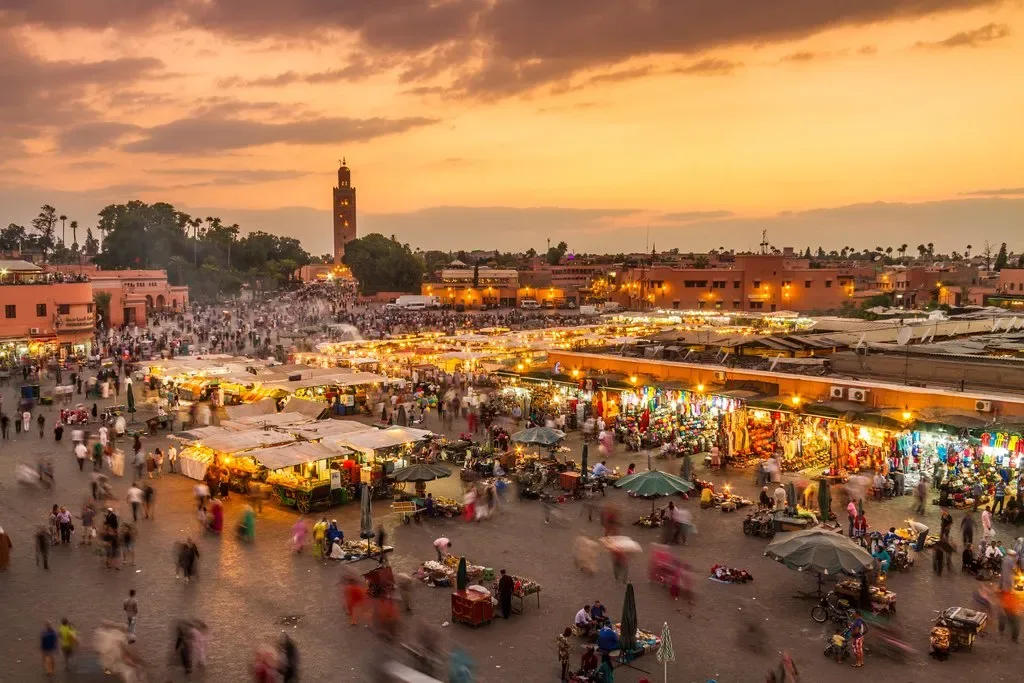
Jemaa el-Fna is one of the most famous places in Marrakech, and for a first-time visitor it is usually worth seeing. The square changes during the day. In the morning and afternoon it can feel open, hot, and more practical. Near sunset, it becomes more alive. Food smoke rises, lights appear, music starts, movement increases, and the whole place feels like a theatre without walls.
The best way to experience Jemaa el-Fna is not to arrive with fear or fantasy. It is not a calm square. It is intense. It has sellers, performers, food stalls, crowds, noise, and constant movement. Some travelers love it immediately. Others feel overwhelmed. Both reactions are normal.
What is worth doing? Walk through it once in daylight and once around sunset. Then go to a rooftop terrace nearby and watch the square from above. From above, Marrakech becomes easier to understand. You see the movement as one living pattern instead of small pressures coming toward you. What should you skip? Do not spend your whole evening forcing yourself to stay in the middle if you feel uncomfortable. Jemaa el-Fna is the heartbeat, not the full body.
The Souks: Beautiful When You Walk Slowly, Stressful When You Rush
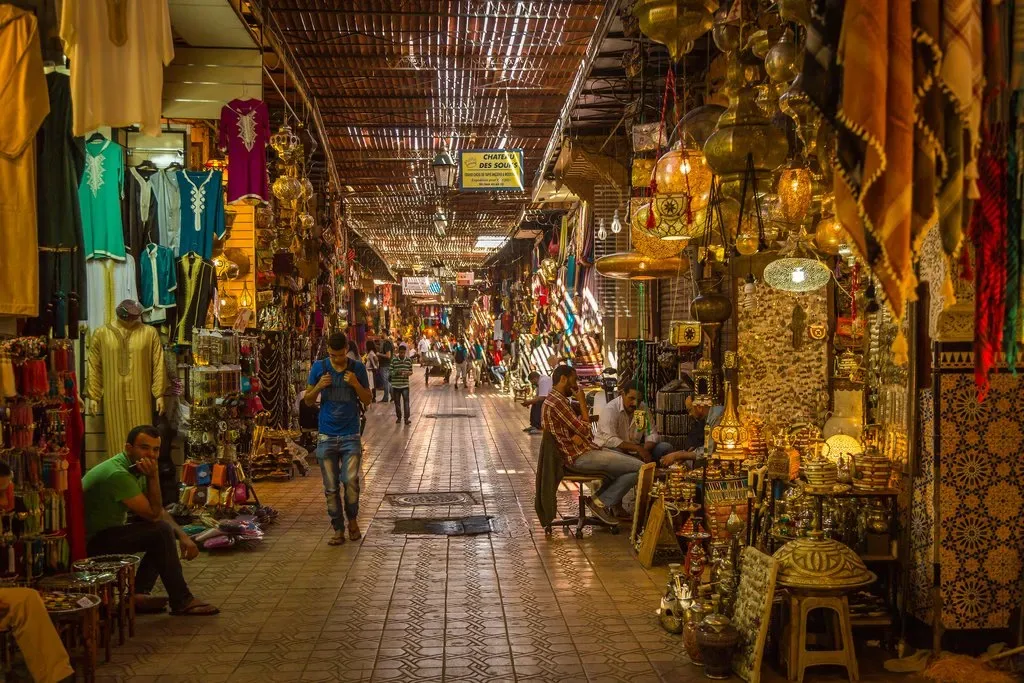
The Marrakech souks are worth visiting because they show craft, color, trade, and daily movement inside the old medina. Lanterns, leather, spices, carpets, metalwork, wood, ceramics, fabrics, slippers, baskets, and small workshops all create the visual identity many travelers imagine before coming to Morocco.
But the souks can also feel confusing. Streets turn quickly. Similar shops repeat. Sellers speak to you. Motorbikes pass. Maps do not always help. If you walk fast, the souks become a maze. If you walk slowly, they become a story. Look first. Compare quality. Ask questions calmly. Do not feel that every conversation must end with a purchase.
What is worth doing? Explore the souks in the morning or late afternoon, when the rhythm is easier. Notice the workshops, not only the shops. Pay attention to the small doors, the light, the people working with their hands. What should you skip? Do not turn the souks into a battle. Do not buy only because someone pressures you. The beauty of the souks is strongest when you keep your rhythm.
Koutoubia Area: Simple, Central and Important
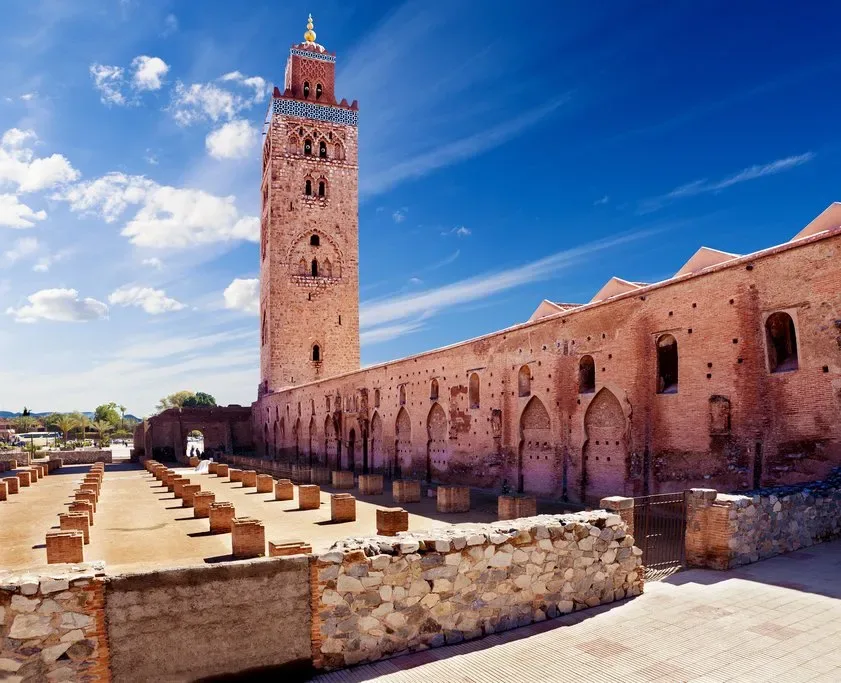
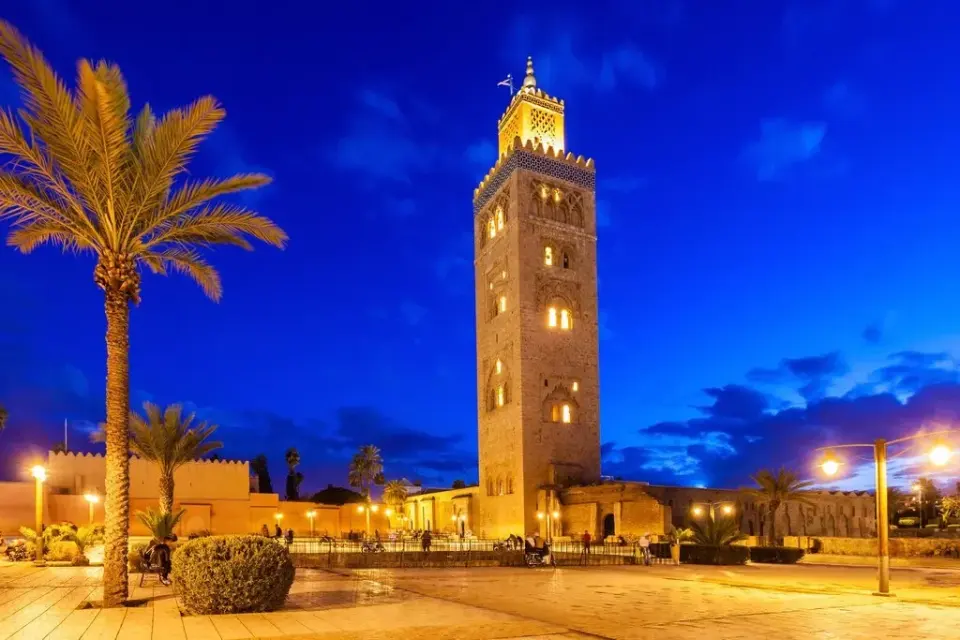
The Koutoubia Mosque area is one of the easiest and most important places to include in a Marrakech visit. The minaret is a major symbol of the city, visible from different viewpoints, and it helps first-time visitors orient themselves near Jemaa el-Fna and the old city.
For non-Muslim visitors, the interior of the mosque is not part of the visit, but the outside area is still worth experiencing. The gardens, walls, light, and open space around Koutoubia give a different feeling from the narrow medina streets. It is a place to breathe, take photos, and understand the old city from a calmer distance.
The best time is early morning or late afternoon. At sunset, the warm color of Marrakech becomes strong, and the minaret feels connected to the whole city. What should you skip? Do not expect a long monument visit. Its value is atmosphere, orientation, and city identity, not a full interior tour.
Palaces and Traditional Architecture: Worth It for Beauty and Detail
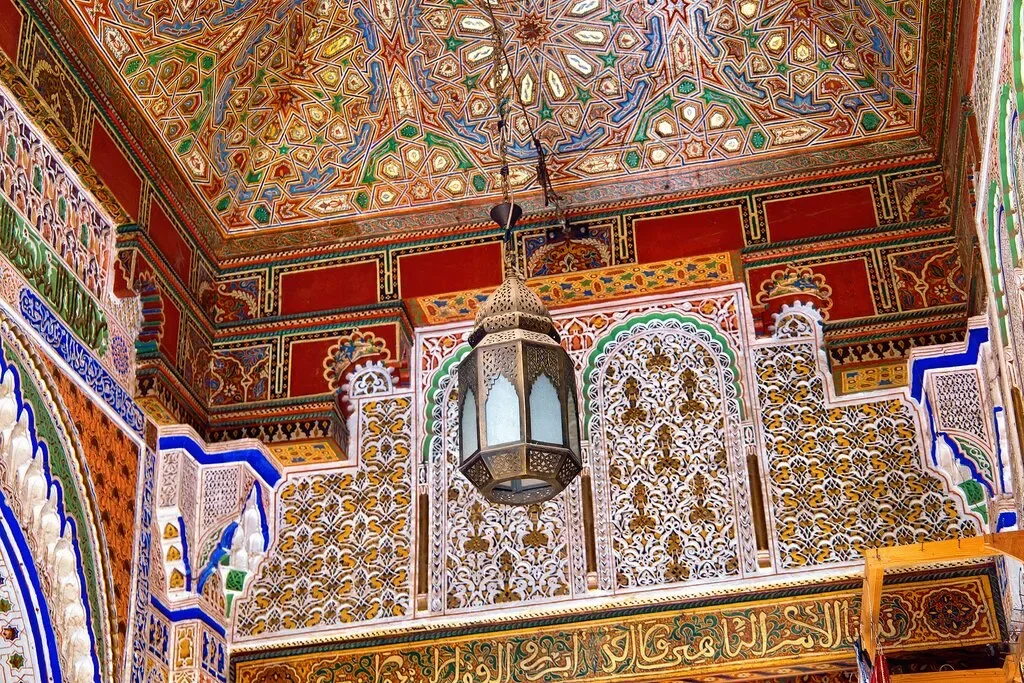
Marrakech has many beautiful details, but traditional palaces and historic buildings are among the clearest places for first-time visitors to feel Moroccan architectural beauty. Courtyards, carved wood, painted ceilings, zellige tiles, doorways, fountains, and quiet corners show a different side of the city from markets and crowds.
This kind of visit is important because Marrakech should not only be experienced as movement. It also has refinement. It has patience. It has details that took time and human skill. When you enter traditional architecture, the city becomes more balanced.
What is worth doing? Slow down inside the courtyards. Look at ceilings, walls, door frames, and the relationship between shade and light. What should you skip? Do not rush from monument to monument only to collect photos. A palace is not only a stop; it is a chance to understand how Moroccan beauty protects silence inside busy cities.
Riads: Do Not Treat Them Only as Accommodation
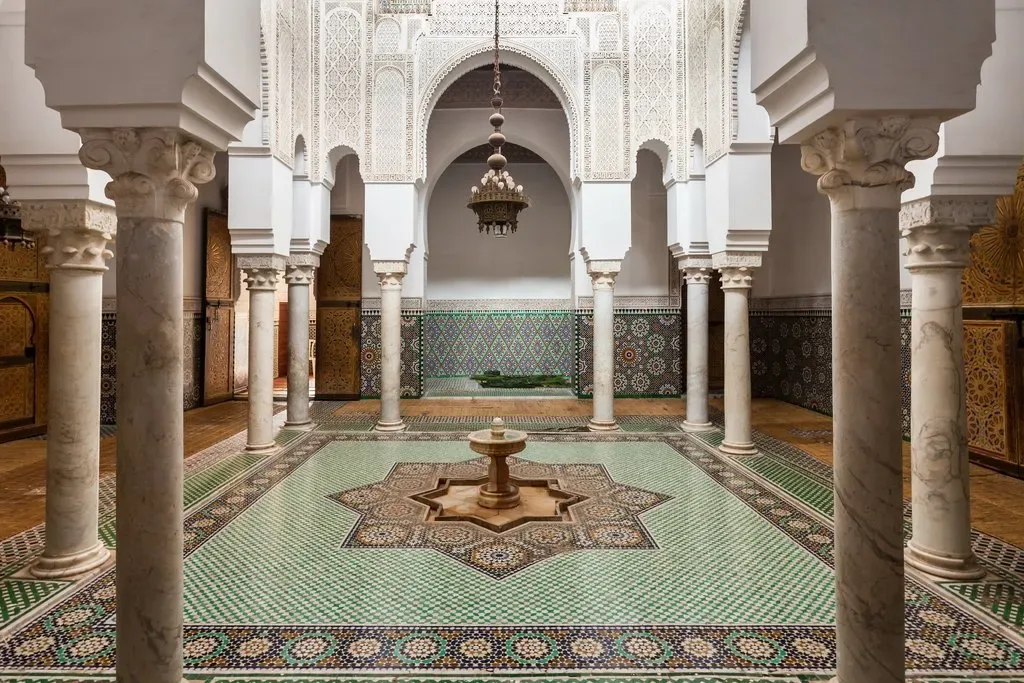
A riad is one of the best Marrakech experiences when chosen well. Many travelers think of a riad only as a place to sleep, but a good riad can become part of the journey. Behind a simple door, the city noise disappears. You enter a courtyard, a fountain, plants, tiles, soft light, and a rooftop where the city feels different.
This contrast is one of the secrets of Marrakech. Outside, there is movement. Inside, there is calm. A riad teaches you that Marrakech is not only public noise; it also has private silence. Breakfast in the courtyard, mint tea on the terrace, and a quiet evening after the medina can be more memorable than another rushed attraction.
What is worth doing? Stay in a riad if you want atmosphere and local architecture. What should you skip? Do not choose a riad only from beautiful photos. Location, access with luggage, service, and quietness matter. A beautiful riad in the wrong place for your needs can make the city feel harder.
Gardens, Rooftops and Hammams: The Balance Marrakech Needs
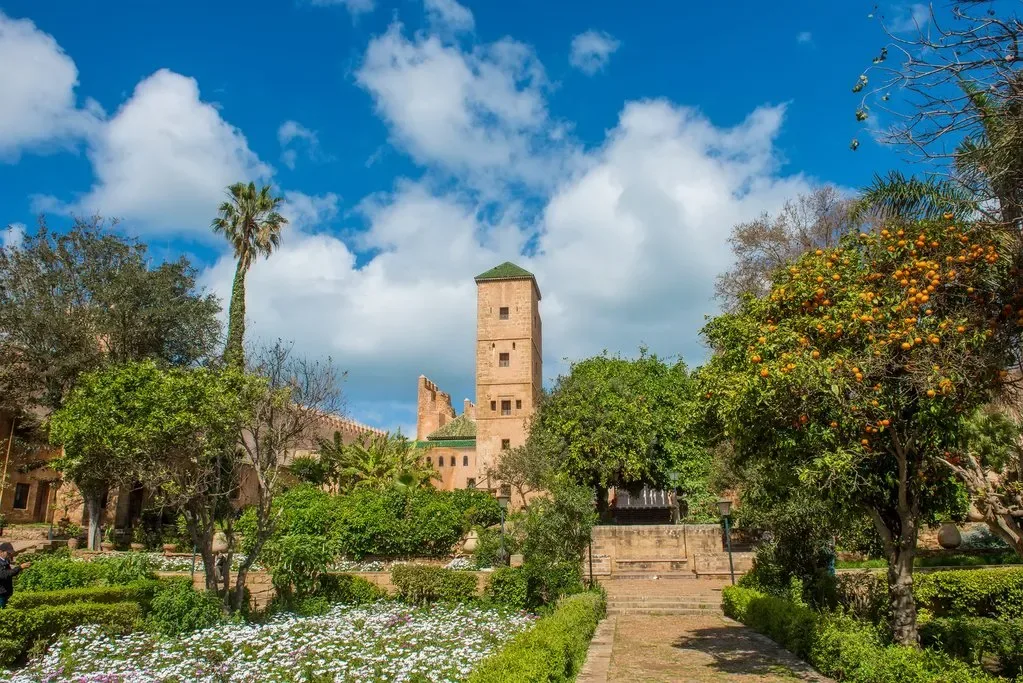
Marrakech is intense, and that is part of its character. But intensity needs balance. Gardens, rooftops, and hammams are not secondary things to do; they help travelers enjoy the city without becoming tired by it.
A garden gives air after the medina. A rooftop gives distance from the streets. A hammam gives the body time to rest. These experiences may look simple, but they often become the moments travelers remember because they allow Marrakech to settle inside them.
What is worth doing? Add at least one calm experience to your Marrakech stay, especially if you have two or three days. What should you skip? Do not fill every hour with monuments and shopping. Marrakech becomes more beautiful when you leave space between experiences. The city needs pauses, not only movement.
Food, Spices and Tea: Experience Marrakech Through Taste
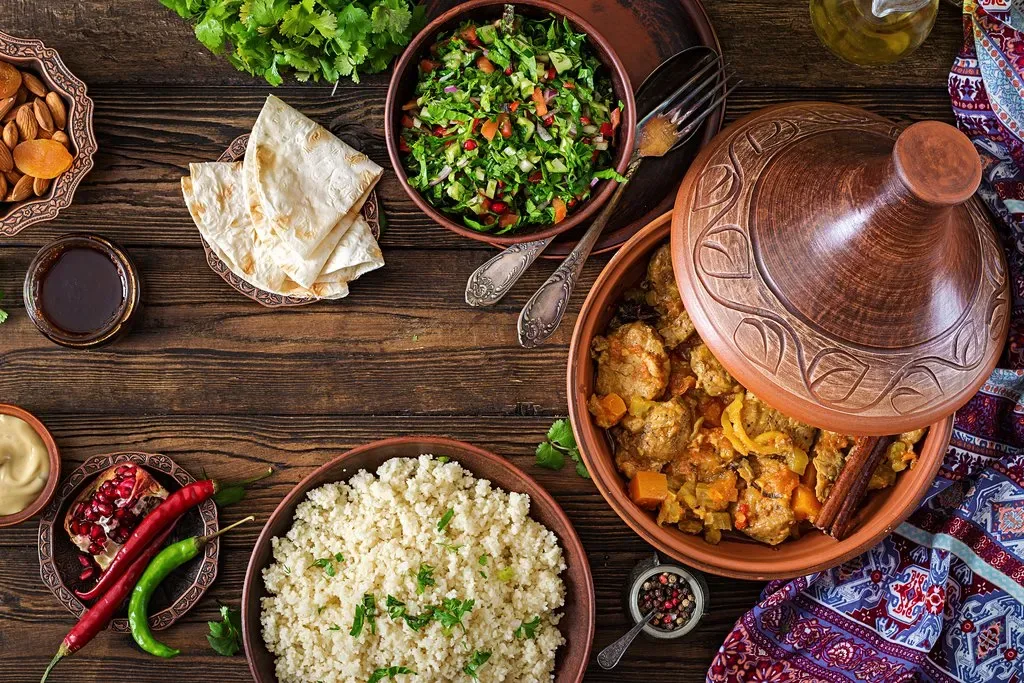
Food is one of the best ways to understand Marrakech. Tajine, couscous, harira, olives, dates, bread, pastries, spices, and mint tea are not only things to eat. They are part of Moroccan hospitality and rhythm. A meal can explain the city in a way that a monument cannot.
The spice markets are beautiful, but the real value is not only the colors. It is understanding how Moroccan cooking connects family, patience, smell, and sharing. A simple tea can become a moment of welcome. A slow lunch can protect your energy in the middle of a busy day.
What is worth doing? Try local food in a place that feels honest and comfortable. Take time for tea. Visit spice areas without rushing. What should you skip? Do not choose food only from the most tourist-facing places if you want a deeper experience. Marrakech tastes better when you slow down.
What to Skip in Marrakech
Skipping something does not mean it has no value. It means it may not be right for your time, energy, budget, or full Morocco itinerary. Marrakech has many attractions, but not every traveler needs all of them.
Skip overcrowded days. Skip shopping under pressure. Skip attractions that do not match your style. Skip moving across the city too many times in one day. Skip trying to see every famous place if it leaves you exhausted. Skip a plan that gives Marrakech all your energy and leaves no space for the Atlas Mountains, Essaouira, Fes, M’Hamid, Erg Chigaga, Merzouga, or the Sahara.
The best travelers are not the ones who see the most. They are the ones who choose well. Marrakech is powerful, but if you do too much, the city can become heavy. A lighter, better-planned visit gives you more pleasure and more memory.
Best Day Trips From Marrakech
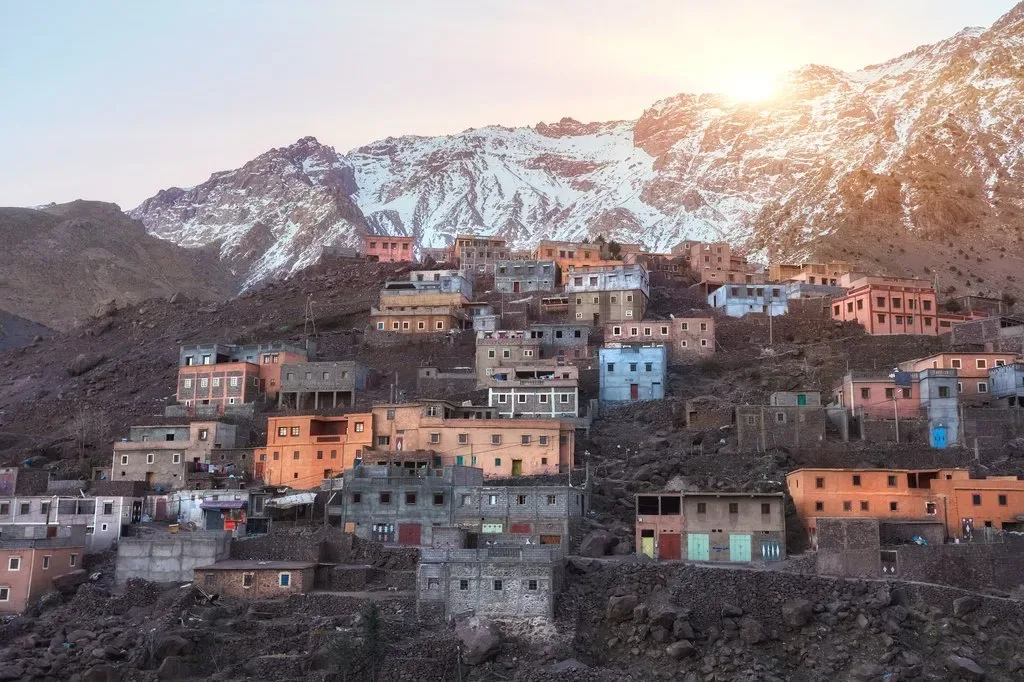
Marrakech is also valuable because of what it opens around it. Many travelers use the city as a base for day trips or as the beginning of a longer private Morocco itinerary. This is one of the reasons Marrakech has such strong travel value.
Popular options include the Atlas Mountains, Ourika Valley, Imlil, Ouirgane, Essaouira, Ouzoud, Agafay, Ait Ben Haddou, and Ouarzazate. But not every place works the same way. Some are good as day trips. Others deserve an overnight. Some routes are better as part of a longer desert journey.
My advice is to avoid treating all day trips equally. Essaouira feels better when you have time for the coast. Ait Ben Haddou is meaningful when connected to southern Morocco. The Atlas Mountains deserve a slower approach than a quick photo stop. The best day trip is the one that fits your rhythm, not the one with the biggest online title.
How Many Days Do You Need for the Best Marrakech Experience?
For most first-time visitors, two to three days in Marrakech is the best rhythm. One day gives only a taste. Two days gives a balanced introduction. Three days allows more depth, rest, gardens, rooftops, riad time, food, and guided discovery.
Four days can work for travelers who love cities, shopping, wellness, food, and slow riad stays. But if your Morocco dream includes the desert, mountains, coast, or imperial cities, do not let Marrakech take too much space from the rest of the country.
A good first visit may look like this: one day for medina, Jemaa el-Fna, Koutoubia, and souks; one day for palace, gardens, hammam, rooftop, and local food; then continue toward the Atlas, Essaouira, Fes, or the Sahara. Marrakech is a door. Give it time, but keep space for what is beyond it.
My Honest Recommendation
My honest recommendation is to visit Marrakech with respect, but not with fear and not with blind excitement. The city is beautiful, but it is intense. It rewards travelers who slow down, choose well, and understand that not every famous stop has the same value for every person.
For a first visit, include Jemaa el-Fna, the souks, Koutoubia, traditional architecture, a riad, a rooftop, local food, and at least one calm pause. Add a garden or hammam if you have time. Add a day trip only if it does not make your stay rushed.
Most importantly, do not judge Morocco only by Marrakech. The country opens wider in the Atlas Mountains, kasbah routes, palm valleys, Fes, Essaouira, M’Hamid, Erg Chigaga, Merzouga, and the Sahara. Marrakech is a powerful beginning, but the journey becomes deeper when the itinerary has rhythm.
How DesertBrise Travel Helps You Experience Marrakech Better
At DesertBrise Travel, we do not plan Marrakech as a generic list of attractions. We look at your full Morocco journey first. We ask how many days you have, where you arrive, where you depart, what comfort level you want, and whether your dream is city life, culture, desert, mountains, coast, family travel, romance, photography, or retreat-style silence.
Then we decide how Marrakech should fit. Some travelers need only one night before a desert route. Some need two days for a balanced city stay. Some need three days with riad, gardens, hammam, and guided medina discovery. Some need Marrakech connected with the Atlas Mountains, Ait Ben Haddou, Draa Valley, M’Hamid, Erg Chigaga, Merzouga, Fes, or Essaouira.
The goal is not to add more things. The goal is to create the right flow. Marrakech is not a checklist, and Morocco is not a product to rush. With honest local planning, the city becomes a strong first chapter instead of an exhausting stop.