Day 1
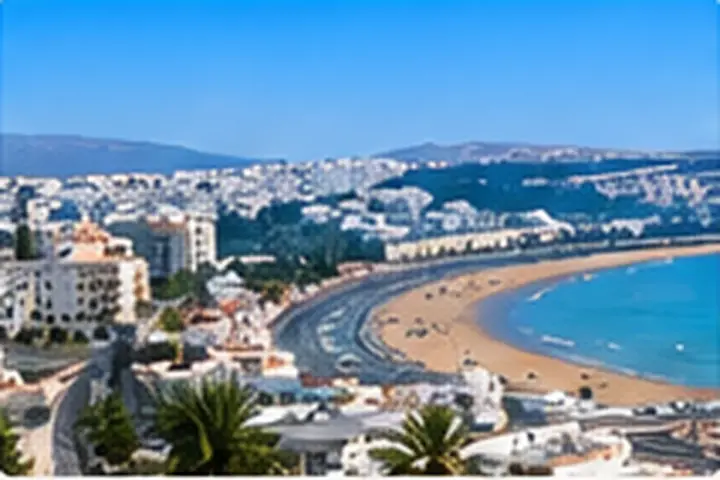
Malaga — Arrival and First Impressions
Your first hours in Malaga are deliberately unhurried. Rather than racing into a checklist, the day leaves room to arrive properly and explore according to energy and timing.
Malaga combines a Mediterranean waterfront with the urban energy of southern Spain. It also prepares the change of scene toward Malaga without hurrying the first day.
Day 2
Malaga — A guided visit
A full day in Malaga gives enough room for a guided visit without watching the road or the clock.
Malaga combines a Mediterranean waterfront with the urban energy of southern Spain. With the night also in Malaga, there is room to slow down between the main moments and keep some of the day unscripted. With Malaga behind you and Cadiz still ahead, the day has room to belong to this place on its own terms.
Day 3
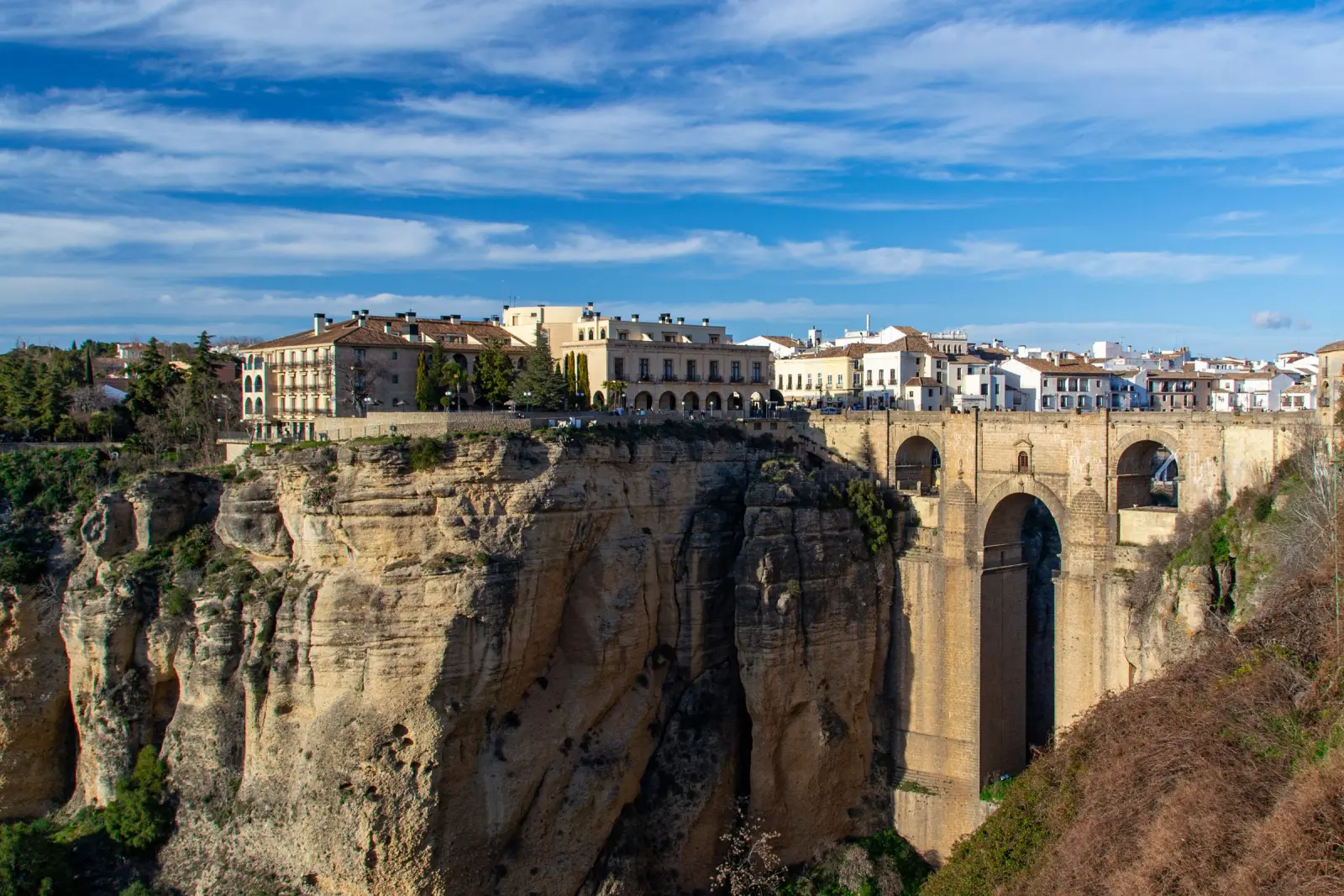
Malaga to Cadiz — Cadiz and Ronda
Leaving Malaga, the landscape changes on the way to Cadiz, with Cadiz and Ronda as the day’s central experience.
Arriving from Malaga, Cadiz occupies a narrow Atlantic peninsula, giving the old city an unmistakably maritime character. The road gets the time it needs, with enough margin to experience Cadiz and Ronda rather than rush through it. Placed between Malaga and Cadiz, the day helps the landscape and culture change in a way you can actually feel.
Day 4
Cadiz — Time to explore at your own pace
Rather than changing cities again, you remain in Cadiz and give the day to time to explore at your own pace.
Cadiz occupies a narrow Atlantic peninsula, giving the old city an unmistakably maritime character. Without a hotel change, the day keeps useful breathing room around time to explore at your own pace and avoids unnecessary rushing. The change from Cadiz toward Tangier makes this stop feel connected to the route rather than isolated.
Day 5
Cadiz to Tangier — A guided visit
The road from Cadiz to Tangier is shaped by a guided visit, so the transfer never feels like empty mileage.
Arriving from Cadiz, Tangier sits at the meeting point of the Mediterranean and Atlantic, with a long history shaped by movement between Africa and Europe. The day feels full but not crowded; a guided visit is given space, and unnecessary detours are left out. With Cadiz behind you and Tangier still ahead, the day has room to belong to this place on its own terms.
Day 6
Tangier — Tangier and Tetouan
A full day in Tangier gives enough room for Tangier and Tetouan without watching the road or the clock.
Tangier sits at the meeting point of the Mediterranean and Atlantic, with a long history shaped by movement between Africa and Europe. Without a hotel change, the day keeps useful breathing room around Tangier and Tetouan and avoids unnecessary rushing. The change from Tangier toward Asilah makes this stop feel connected to the route rather than isolated.
Day 7
Tangier to Asilah — Asilah
Leaving Tangier, the landscape changes on the way to Asilah, with asilah as the day’s central experience.
Arriving from Tangier, Asilah is a compact Atlantic town where whitewashed lanes and sea air make the pace naturally slower. The road gets the time it needs, with enough margin to experience asilah rather than rush through it. Placed between Tangier and Rabat, the day helps the landscape and culture change in a way you can actually feel.
Day 8
Asilah to Rabat — Time to explore at your own pace
The journey continues from Asilah toward Rabat, where time to explore at your own pace breaks up the road in a meaningful way.
Arriving from Asilah, Rabat combines a calm Atlantic setting with the measured rhythm of a national capital. The day feels full but not crowded; time to explore at your own pace is given space, and unnecessary detours are left out. The change from Asilah toward Casablanca makes this stop feel connected to the route rather than isolated.
Day 9
Rabat to Casablanca — A mosque visit
The road from Rabat to Casablanca is shaped by a mosque visit, so the transfer never feels like empty mileage.
Arriving from Rabat, Morocco’s largest city faces the Atlantic with a modern, working-city character that feels very different from the old medinas. The day feels full but not crowded; a mosque visit is given space, and unnecessary detours are left out. Coming after Rabat and before Casablanca, this setting gives the day a clear place in the wider journey.
Day 10
Casablanca — A Quiet Final Morning
The final hours in Casablanca stay simple and flexible around the departure schedule. If time allows, there is room for a last coffee or short walk before the journey home.
Morocco’s largest city faces the Atlantic with a modern, working-city character that feels very different from the old medinas. After the route from Casablanca, keeping the last hours simple gives the trip a cleaner finish.