Day 1
Granada — Arrival and First Impressions
Arrival in Granada is kept intentionally light. There is time to settle in, step outside and let the place come into focus without forcing a full sightseeing programme.
Granada sits below the Sierra Nevada and is shaped by the layered history of Muslim and Christian Andalusia. That first contact is useful before the journey turns toward Granada.
Day 2
Granada — Walking in the landscape
Today is deliberately slower in Granada, leaving proper time for walking in the landscape.
Granada sits below the Sierra Nevada and is shaped by the layered history of Muslim and Christian Andalusia. With the night also in Granada, there is room to slow down between the main moments and keep some of the day unscripted. The change from Granada toward Granada makes this stop feel connected to the route rather than isolated.
Day 3
Granada — Cycling
Rather than changing cities again, you remain in Granada and give the day to cycling.
Granada sits below the Sierra Nevada and is shaped by the layered history of Muslim and Christian Andalusia. The pace is intentionally loose around cycling; the point is to experience Granada, not to fill every hour. Coming after Granada and before Malaga, this setting gives the day a clear place in the wider journey.
Day 4
Granada to Malaga — Walking in the landscape
Between Granada and Malaga, the day is built around walking in the landscape rather than a long list of minor stops.
Arriving from Granada, Malaga combines a Mediterranean waterfront with the urban energy of southern Spain. There is no attempt to turn every viewpoint into a stop. The important pause is walking in the landscape, with Malaga reached at a sensible pace. With Granada behind you and Tangier still ahead, the day has room to belong to this place on its own terms.
Day 5
Malaga to Tangier — The ferry crossing
Between Malaga and Tangier, the day is built around the ferry crossing rather than a long list of minor stops.
Arriving from Malaga, Tangier sits at the meeting point of the Mediterranean and Atlantic, with a long history shaped by movement between Africa and Europe. The day feels full but not crowded; the ferry crossing is given space, and unnecessary detours are left out. Placed between Malaga and Chefchaouen, the day helps the landscape and culture change in a way you can actually feel.
Day 6
Tangier to Chefchaouen — Time to explore at your own pace
Leaving Tangier, the landscape changes on the way to Chefchaouen, with time to explore at your own pace as the day’s central experience.
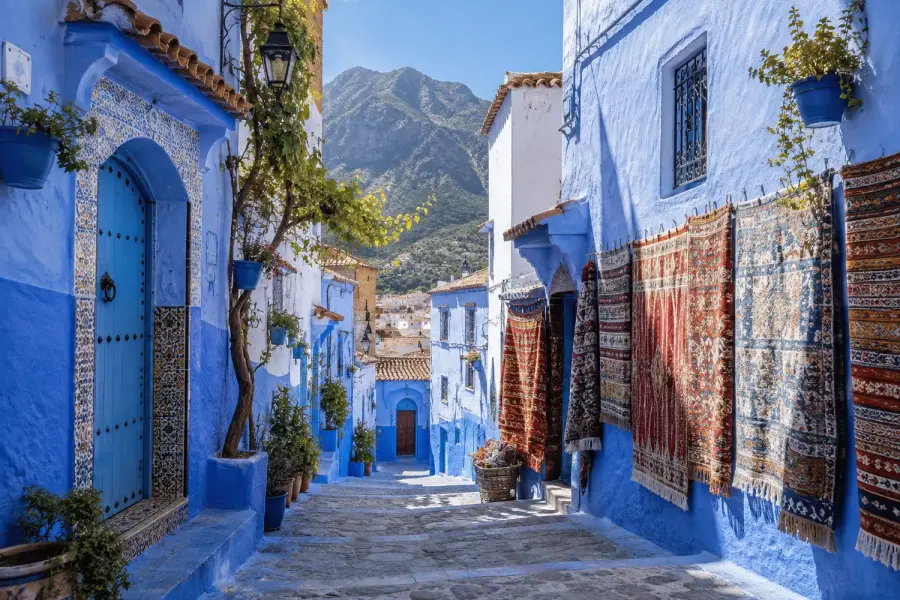
Arriving from Tangier, Chefchaouen rises into the Rif foothills, and its blue-painted lanes feel closely tied to the surrounding mountain landscape. The day feels full but not crowded; time to explore at your own pace is given space, and unnecessary detours are left out. Placed between Tangier and Chefchaouen, the day helps the landscape and culture change in a way you can actually feel.
Day 7
Chefchaouen — A waterfall walk
Today is deliberately slower in Chefchaouen, leaving proper time for a waterfall walk.
Chefchaouen rises into the Rif foothills, and its blue-painted lanes feel closely tied to the surrounding mountain landscape. This is one of the days when less structure works better, allowing a waterfall walk and everyday life in Chefchaouen to sit naturally together. Placed between Chefchaouen and Fes, the day helps the landscape and culture change in a way you can actually feel.
Day 8
Chefchaouen to Fes — The Roman site of Volubilis
Today links Chefchaouen with Fes; along the way, the Roman site of Volubilis gives the route a clear purpose.
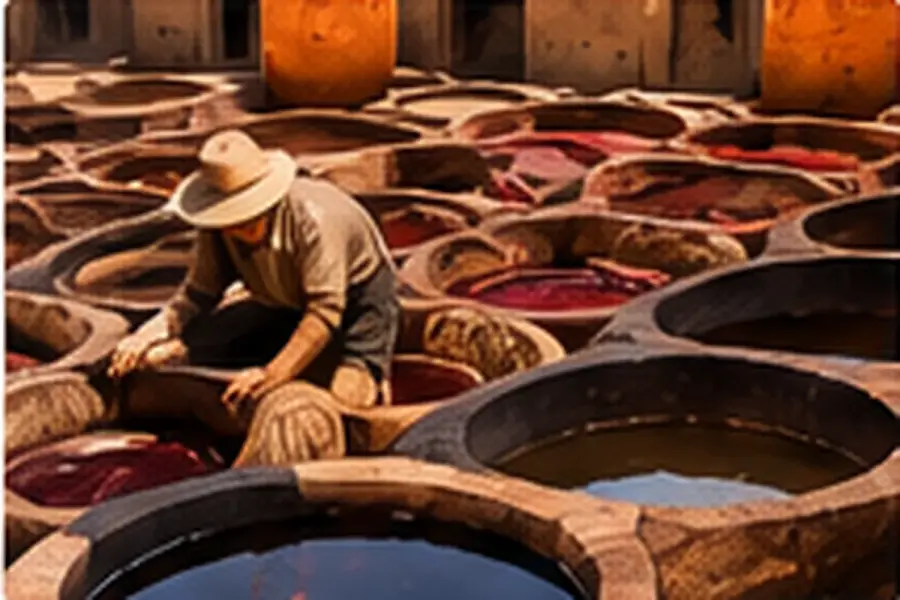
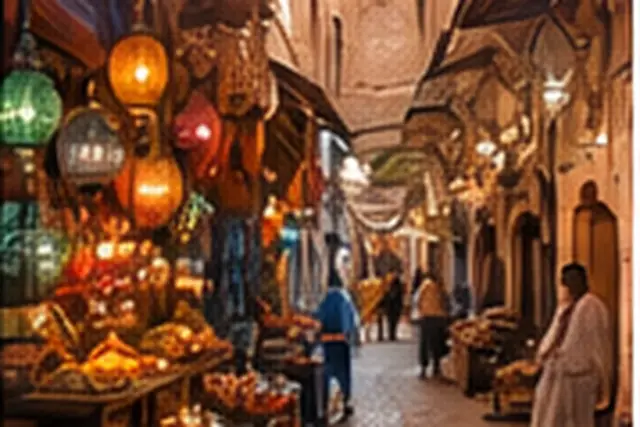
Arriving from Chefchaouen, Fes is one of Morocco’s great historic cities, with a dense medina where craft, trade and daily life remain closely interwoven. There is no attempt to turn every viewpoint into a stop. The important pause is the Roman site of Volubilis, with Fes reached at a sensible pace. Coming after Chefchaouen and before Fes, this setting gives the day a clear place in the wider journey.
Day 9
Fes — Time to explore at your own pace
Staying in Fes changes the rhythm: time to explore at your own pace can unfold without being squeezed between drives.
Fes is one of Morocco’s great historic cities, with a dense medina where craft, trade and daily life remain closely interwoven. This is one of the days when less structure works better, allowing time to explore at your own pace and everyday life in Fes to sit naturally together. Coming after Fes and before Fes, this setting gives the day a clear place in the wider journey.
Day 10
Fes — A Quiet Final Morning
There is no need to force one more major visit on the last morning in Fes. Departure timing sets the pace, with any spare time left free for a final look around.
Fes is one of Morocco’s great historic cities, with a dense medina where craft, trade and daily life remain closely interwoven. After the route from Fes, keeping the last hours simple gives the trip a cleaner finish.