Day 1
Marrakech to Essaouira: Leave the City for the Atlantic
Meals: Breakfast unless otherwise confirmed
Included: Private transport and route coordination
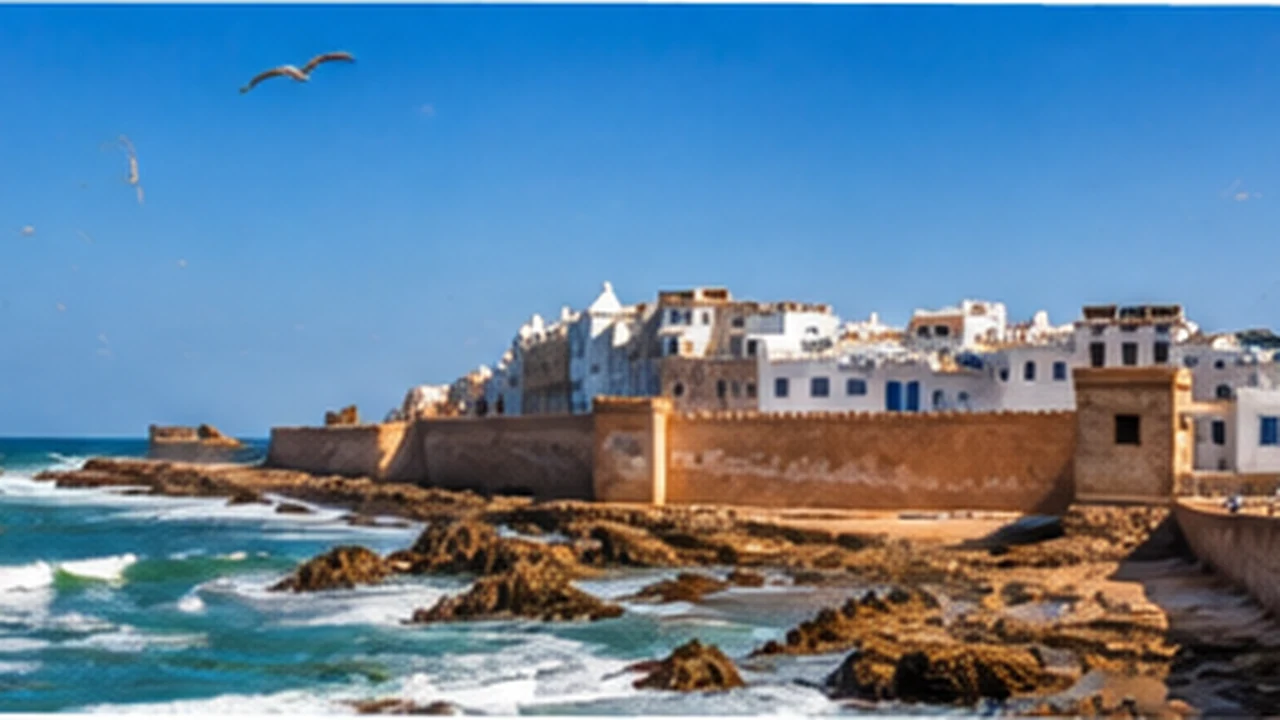
Meet your driver in Marrakech and head west across the Haouz plain toward Essaouira. Stop in argan country only if you are interested in the production process, then continue to the coast and check in near the medina. Spend the afternoon walking through the fishing port, Skala ramparts and wind-cooled streets inside the walls. This route deliberately begins by moving away from Marrakech rather than spending the first day on monuments; the city returns at the end. Essaouira gives the trip an easy opening and a chance to recover from travel before the longer southern road stages. Have dinner independently and stay overnight by the Atlantic.
Day 2
Essaouira: Port Morning, Beach and an Unstructured Coastal Day
Meals: Breakfast unless otherwise confirmed
Included: Private transport where useful and planned local guiding
Spend a full day in Essaouira without a vehicle. Visit the port early, then walk the ramparts and medina while the city is still relatively quiet. Depending on wind and season, choose a beach walk, surf lesson, gallery visit or a guided introduction to Essaouira’s trading and Jewish history. Lunch can be fresh fish near the harbor or a slower meal inside the medina. The afternoon is free for cafés and craft shops rather than a second excursion. This pause matters because the journey becomes much more remote after tomorrow, moving through Taroudant, the Draa Valley and eventually off paved roads toward Erg Chigaga.
Day 3
Essaouira to Taroudant: Atlantic Plains, Argan Country and the Souss
Meals: Breakfast unless otherwise confirmed
Included: Private transport and route coordination
Leave the coast and turn inland through the argan landscapes of the southwest. The route approaches the Souss plain and Taroudant, a walled market town often described as a quieter southern cousin of Marrakech. Arrive in the afternoon and walk along the ochre ramparts before entering the medina and souks. Silverwork, leather and agricultural trade give the town a more regional feel than a purely tourism-driven market. If time allows, take a calèche around part of the walls or simply sit in one of the main squares as the heat drops. Overnight in Taroudant and prepare for a different road tomorrow toward saffron country and the Anti-Atlas.
Day 4
Taroudant to Agdz: Taliouine, Anti-Atlas Roads and the Draa Gateway
Meals: Breakfast unless otherwise confirmed
Included: Private transport and route coordination
Travel east from Taroudant through increasingly dry country toward Taliouine, center of Morocco’s saffron-growing region. A cooperative visit can be worthwhile in harvest season or when you want to understand the spice trade beyond souvenir packets. Continue across the Anti-Atlas via Taznakht and remote plateaus before descending toward Agdz at the northern entrance to the Draa Valley. The road is a major part of the day: broad geology, small villages and long distances replace the busy towns of the coast. Arrive in Agdz by late afternoon, check into a kasbah-style guesthouse and take a short walk among palms if daylight remains.
Day 5
Agdz to M’Hamid: Draa Valley Ksour, Zagora and the End of the Paved Road
Meals: Breakfast unless otherwise confirmed
Included: Private transport and route coordination
Follow the Draa Valley south, where a ribbon of date palms and old ksour runs between dark mountain ridges. Stop at a village or kasbah that is genuinely accessible rather than visiting every roadside ruin, then continue through Zagora. After lunch, drive deeper toward M’Hamid, the last substantial settlement before the open desert tracks to Erg Chigaga. The landscape becomes flatter and emptier, and the palm groves thin as you approach the edge of the Sahara. Check into a desert lodge or simple guesthouse and organize the overnight bag for tomorrow’s 4x4 journey. The remote dune camp is reached off-road, so timing and vehicle preparation matter.
Day 6
M’Hamid to Erg Chigaga: 4x4 Tracks and a Remote Dune Camp
Meals: Breakfast unless otherwise confirmed
Included: Private transport, desert logistics and the confirmed Sahara activity
Leave M’Hamid by 4x4 and head away from the paved road into the desert. The route crosses stone plains, dry lakebeds and sandy tracks before the high dunes of Erg Chigaga appear. Stops are chosen according to conditions: a tamarisk area, a well, a fossil zone or a nomadic encounter may be possible, but nothing is treated as guaranteed if wind or track conditions change. Reach camp with time to walk on the dunes and watch sunset from a quiet ridge. Erg Chigaga is more remote than Erg Chebbi, which is the reason for coming here. Dinner and overnight follow at camp, with a simple evening under a dark sky.
Day 7
Erg Chigaga to Zagora: Iriki Landscapes and Return to the Draa
Meals: Breakfast unless otherwise confirmed
Included: Private transport and route coordination
Wake in the dunes and enjoy breakfast before setting out by 4x4. Depending on the chosen route and current conditions, cross the broad landscapes around Iriki and rejoin paved roads farther west or retrace tracks toward M’Hamid. The day is intentionally flexible because desert driving cannot be scheduled as tightly as a motorway transfer. Stop for lunch en route and continue to Zagora, where the return of palms, shops and paved streets feels almost abrupt after Chigaga. Check into a comfortable guesthouse and take the evening to shower, rest and walk along the edge of the oasis. The next stage returns north through the Draa Valley toward Ouarzazate.
Day 8
Zagora to Ouarzazate: Draa Palms and the Road Through Agdz
Meals: Breakfast unless otherwise confirmed
Included: Private transport and route coordination
Travel north along the Draa, stopping where the valley’s old villages and gardens are most accessible. Near Agdz, take time for a short palmery walk or a visit to a preserved kasbah rather than simply passing through. Cross the Anti-Atlas again and reach Ouarzazate in the afternoon. The city has grown around film production and regional administration, but it is also a practical base between desert routes and the High Atlas. Visit Taourirt Kasbah if open and of interest, or use the extra time to rest after several remote driving days. Overnight in Ouarzazate, with Aït Ben Haddou close enough for a more relaxed visit tomorrow morning.
Day 9
Ouarzazate to Aït Ben Haddou: Film Country and a Night Beside the Ksar
Meals: Breakfast unless otherwise confirmed
Included: Private transport and route coordination
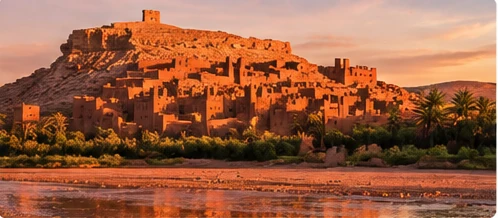
Begin with an optional studio visit if film history interests you, then make the short drive to Aït Ben Haddou. Because you are not squeezing the ksar into a long transfer, you can explore at a slower pace: cross into the settlement, follow narrow lanes between earthen towers and climb toward the granary viewpoint above the Ounila Valley. Have lunch nearby and use the afternoon for a walk in the surrounding landscape or a visit to another nearby kasbah. Spend the night close to Aït Ben Haddou. The day gives your body a break from long 4x4 and road stages before tomorrow’s major climb across the High Atlas toward Imlil.
Day 10
Aït Ben Haddou to Imlil: Ounila Valley, High Atlas Pass and Mountain Villages
Meals: Breakfast unless otherwise confirmed
Included: Private transport and route coordination
Leave Aït Ben Haddou and cross the mountains toward Marrakech, using the Ounila Valley and Telouet when road conditions allow. Instead of ending in the city, continue south into the Toubkal foothills and climb to Imlil. This is a substantial mountain-road day, so stops are limited to a few strong viewpoints and a practical lunch. Arrive in Imlil by late afternoon, check into a lodge and stretch your legs on a short village path if there is enough daylight. The shift from Erg Chigaga to High Atlas terraces is one of the route’s strongest contrasts. Tomorrow is entirely on foot and requires no long vehicle transfer.
Day 11
Imlil: High Atlas Hike Through Villages and Terraces
Meals: Breakfast unless otherwise confirmed
Included: Local mountain guide and route support for the confirmed walk
Meet a local mountain guide and choose a full-day walk suited to fitness and weather. A route through Aremd and surrounding valleys can combine terraced agriculture, walnut groves and views toward the Toubkal massif without attempting a summit. Stronger walkers can climb higher, while a shorter loop keeps the day accessible for mixed groups. Stop for tea or lunch in a village guesthouse when arranged and return to Imlil by late afternoon. The guide adjusts for snow, heat or trail damage rather than forcing a fixed itinerary. After several desert days, walking in cool mountain air gives the adventure a completely different physical rhythm.
Day 12
Imlil to Marrakech: Descend from the Atlas and Return to the Medina
Meals: Breakfast unless otherwise confirmed
Included: Private transport and route coordination
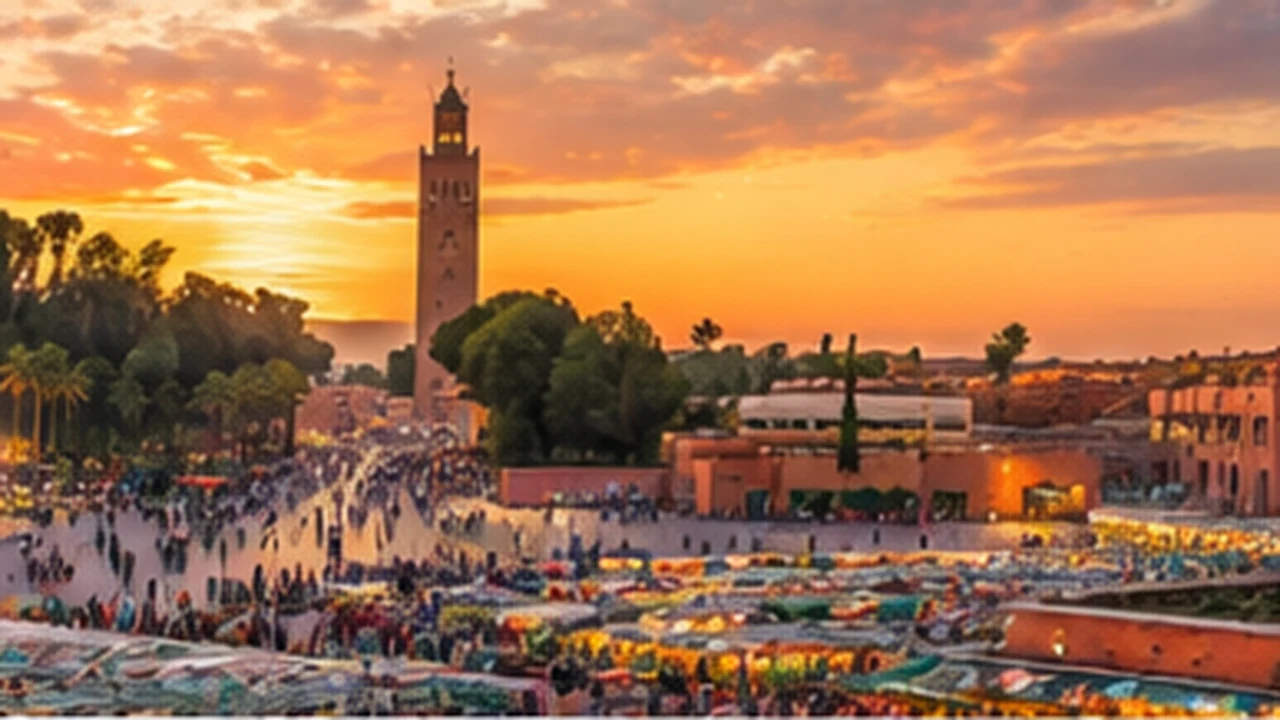
Enjoy breakfast in Imlil, then descend to Marrakech. Check into your riad around midday and leave the afternoon open rather than immediately booking a full guided tour. You can visit Bahia Palace or Ben Youssef Madrasa, take a hammam, shop in the souks, or simply sit on a rooftop and watch the city after nearly two weeks of rural travel. Near sunset, walk through Jemaa el-Fna as food stalls and performers fill the square. This single Marrakech afternoon is intentionally concentrated: the tour is built around southern landscapes, not imperial-city sightseeing, so the city serves as a lively final contrast rather than the main event.
Day 13
Marrakech: Departure After the Southern Adventure
Meals: Breakfast unless otherwise confirmed
Included: Private transport and route coordination
Transfer to Marrakech airport according to your flight time. With a late departure, enjoy a slow breakfast and a final medina walk, but keep the schedule free of activities that could create timing pressure. Early flights are handled with direct pick-up from the nearest vehicle access to your riad. The journey ends after moving from the Atlantic to Taroudant, the Draa Valley, remote Erg Chigaga, Ouarzazate, Aït Ben Haddou and the High Atlas. Because several stages depend on desert tracks and mountain conditions, a calm final day also protects the overall itinerary from unnecessary stress. Travelers staying longer can simply be dropped at their next Marrakech accommodation.