Day 1
Casablanca to Rabat: Atlantic Arrival and an Easy First Evening
Meals: None unless otherwise confirmed
Included: Airport or Casablanca pickup, private transport to Rabat, hotel check-in support
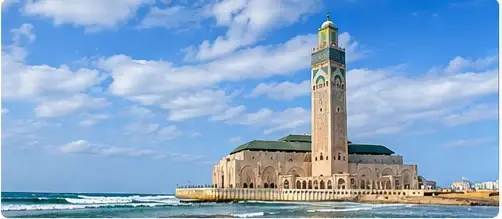
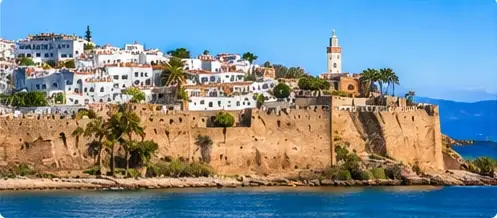
Meet your driver in Casablanca and keep the first day deliberately light. If your flight lands early enough, pause near the Hassan II Mosque to see its oceanfront setting before following the coast toward Rabat. After check-in, stretch your legs around the Kasbah of the Udayas, the Bou Regreg waterfront, or the esplanade between Hassan Tower and the Mausoleum of Mohammed V. Nothing important is scheduled around a tight arrival window; the order changes with your flight and energy. The aim is to begin Morocco comfortably, sleep well, and be ready for the Rif Mountains the next morning.
Day 2
Rabat to Chefchaouen: From the Capital to the Rif Mountains
Meals: Breakfast
Included: Private transport, scenic Rif route, arrival transfer and hotel check-in support
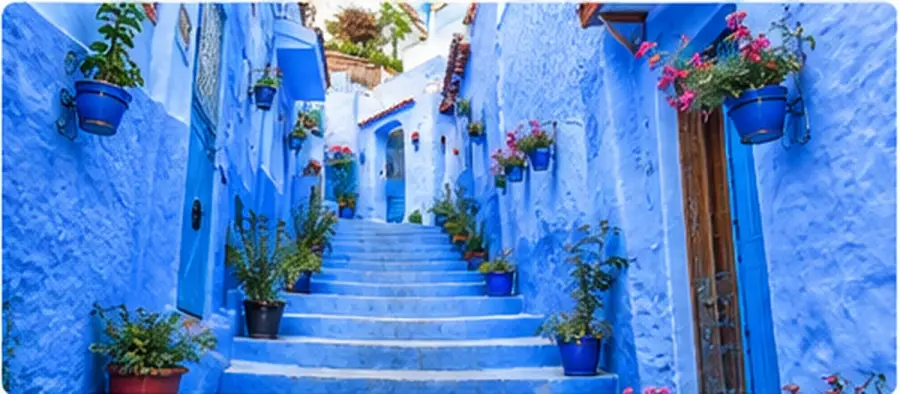
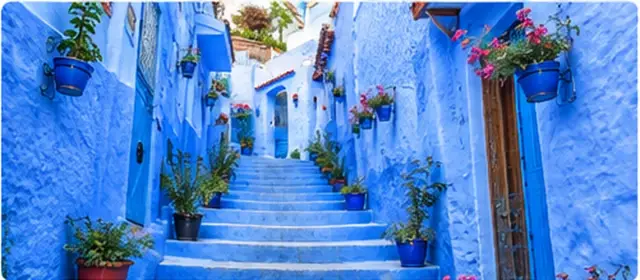
Leave Rabat after breakfast and turn north toward the Rif. The road gradually exchanges the broad Atlantic plain for greener hills and sharper mountain contours before Chefchaouen appears beneath the limestone peaks. Settle into your riad, then begin in Plaza Uta el-Hammam and wander beyond the busiest blue lanes into residential quarters where bakeries, fountains and small workshops are still part of everyday life. A walk toward Ras El Ma is an easy way to end the afternoon; if the weather is clear, continue uphill toward the Spanish Mosque for sunset. You have another night here, so today can remain exploratory rather than rushed.
Day 3
Chefchaouen: Blue Lanes, the Kasbah and a Choice of Mountain Time
Meals: Breakfast
Included: Free day planning support; optional local guide or Akchour excursion only if confirmed
Spend a full day in Chefchaouen without treating the medina as a photo set. Morning is ideal for the upper lanes, small craft shops and the quieter steps above the central square. Visit the kasbah if you want historical context, stop for lunch when you find a terrace you like, and leave part of the afternoon open. You can stay in town for more unstructured wandering, walk farther into the hills above Ras El Ma, or arrange an excursion toward Akchour when conditions and season suit it. The second night makes the difference: after day-trippers leave, the medina settles and the town feels more like a mountain community than a checklist stop.
Day 4
Chefchaouen to Fes via Volubilis and Meknes: Three Eras in One Day
Meals: Breakfast
Included: Private transport, Volubilis stop, Meknes stop, arrival transfer to Fes
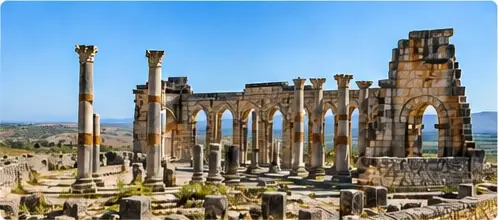
Descend from the Rif toward the fertile plains around Volubilis, where mosaics, columns and the remains of Roman houses sit in open countryside rather than behind city walls. Continue to Meknes for a compact introduction to the imperial city: the monumental gateways, the old granary area if open, and the contrast between the historic core and the quieter streets around it. By late afternoon, continue to Fes and check into your riad. This is a longer cultural day, but each stop belongs to a different chapter of Moroccan history, so the route feels connected rather than overloaded. Keep the evening free for dinner close to your accommodation.
Day 5
Fes: Medina Craft Traditions and the City Behind the Gates
Meals: Breakfast
Included: Private local guide in Fes; transport support where useful
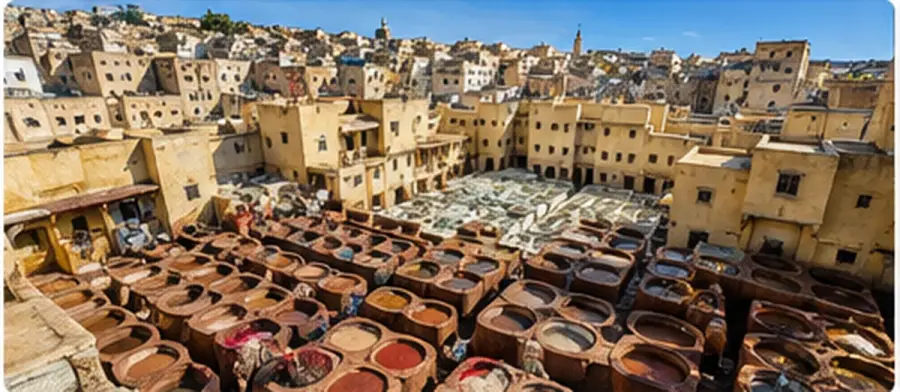
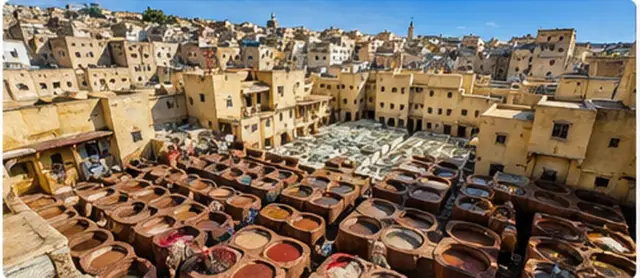
Explore Fes with a licensed local guide who can make sense of the medina instead of simply leading you through its maze. The day can include Bou Inania or another historic madrasa when access allows, the Nejjarine area, food markets, metalworkers, woodworkers and viewpoints over the tanneries. The value is in seeing how religious buildings, family workshops, caravan-era commerce and neighborhood life still overlap inside Fes el-Bali. Break for lunch inside the old city, then continue at a slower pace through a different quarter rather than repeating the same souk streets. If time and interest allow, finish with the mellah or a panoramic viewpoint before returning to the riad.
Day 6
Fes to Merzouga: Cedar Country, the Ziz Valley and the First Dunes
Meals: Breakfast
Included: Private transport, scenic stops through the Middle Atlas and Ziz Valley, Merzouga arrival transfer
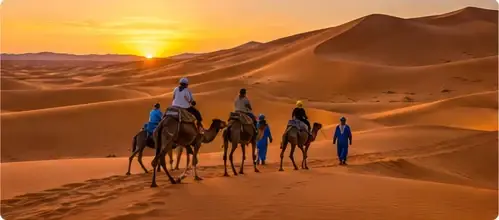
Today is the great geographic crossing of the trip. Leave Fes for the Middle Atlas, passing the cooler uplands around Ifrane and the cedar country near Azrou, where stops depend on weather and wildlife conditions. Continue through Midelt and the mountain corridors toward the Ziz Valley, whose palm groves announce the transition to the pre-Sahara. After Erfoud, the light becomes drier and the horizon broader until Erg Chebbi finally rises beyond Merzouga. It is a substantial drive, so the day is built around a few worthwhile pauses rather than constant stopping. Reach the desert with enough daylight to settle in and watch the dunes change color before dinner.
Day 7
Erg Chebbi: Desert Tracks, Local Encounters and a Camp Night
Meals: Breakfast; dinner at camp when included in the confirmed package
Included: 4x4 desert exploration, confirmed camp transfer, Sahara camp night and activities listed in the final proposal
Give Erg Chebbi a full day instead of reducing the Sahara to one camel ride. A 4x4 circuit can lead around the dune field toward black-desert viewpoints, small settlements and Khamlia, where Gnawa musical traditions are part of the local story. Depending on the confirmed program, there may be time for tea with a nomadic family, a fossil area or a quiet lunch away from the hotel zone. Later, return to Merzouga, repack only what you need for the night, and cross into the dunes by camel or agreed 4x4 transfer. Arrive at camp before dark, watch sunset from the sand, then have dinner beneath a sky that is usually far darker than in Morocco’s cities.
Day 8
Merzouga to Dadès Valley: Rissani, Todra Gorge and Changing Rock Country
Meals: Breakfast
Included: Private transport, Rissani stop if timing allows, Todra Gorge walk, Dadès arrival transfer
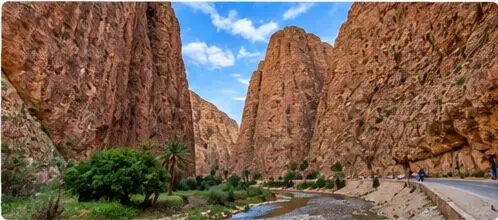
Leave the dunes after breakfast and stop in Rissani if market timing makes the visit worthwhile; the town has long been a trading center for the Tafilalt region. Continue west through oasis landscapes toward Tinghir and Todra Gorge. Walk beneath the high limestone walls where the road and riverbed narrow dramatically, then continue into the Dadès Valley. The landscape becomes layered with cultivated plots, eroded cliffs and old kasbah architecture. This is a good day to notice how quickly southern Morocco changes after the Sahara: palms give way to canyons, then to greener valley floors. Check in before evening and enjoy the cooler air of the High Atlas foothills.
Day 9
Dadès to Aït Ben Haddou: Rose Country, Skoura Palms and Ouarzazate
Meals: Breakfast
Included: Private transport, scenic southern route, Ouarzazate stop, Aït Ben Haddou visit and overnight arrival
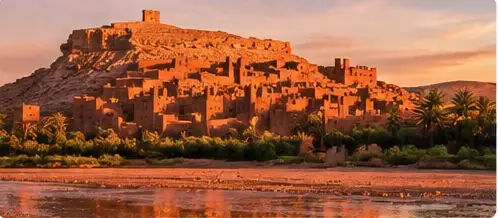
Follow the valley west through Kelaat M’Gouna and the Rose Valley, where spring brings a very different atmosphere from the dry plateau around it. Continue toward Skoura, known for its palm groves and earthen kasbahs, then pass through Ouarzazate on the way to Aït Ben Haddou. Arrive with enough time to cross the shallow riverbed or bridge and explore the ksar on foot. Its towers, alleys and layered mud-brick construction make more sense when you can climb gradually through the settlement rather than photographing it from the roadside. Spend the night nearby so the site can be seen again in softer morning light before the High Atlas crossing.
Day 10
Aït Ben Haddou to Marrakech: Ounila Valley and the High Atlas Crossing
Meals: Breakfast
Included: Private transport across the High Atlas, scenic stops, Marrakech arrival and check-in support
Begin with a quiet morning near Aït Ben Haddou, then take the mountain road toward Marrakech. When road conditions and the chosen vehicle make it practical, the Ounila Valley route via Telouet adds terraced villages, mineral-colored slopes and the Glaoui-era kasbah to the day; otherwise use the main route toward Tizi n’Tichka. Either way, the landscape changes rapidly as you climb the High Atlas and descend toward the Haouz plain. Stop at safe viewpoints rather than trying to photograph every bend. Marrakech arrives as a complete contrast to the south: busier, warmer and far more urban. Check in and keep the first evening simple.
Day 11
Marrakech: Palaces, Souks and the Rhythm of the Medina
Meals: Breakfast
Included: Private local guide in Marrakech; transport support where useful
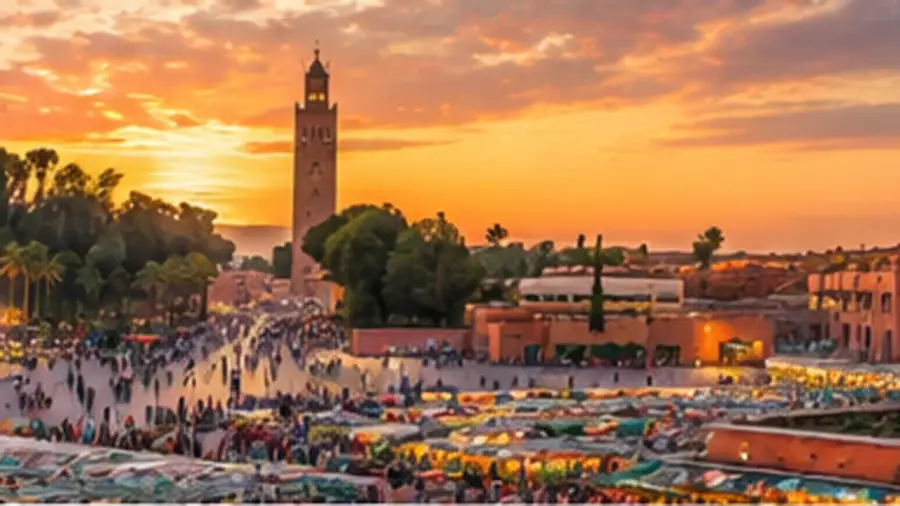
Spend the day with a local guide who can connect Marrakech’s monuments to the life around them. A balanced route might include Bahia Palace, the Saadian Tombs or Ben Youssef Madrasa depending on opening conditions, then continue through the souks to see leather, metal, wood and textile work in their proper districts. Break for lunch away from the busiest square and use the afternoon for a garden, a rooftop view or more time in the medina. Near sunset, Jemaa el-Fna changes character as food stalls, musicians and storytellers take over. The day is intentionally varied: architecture in the morning, craft streets in the middle, and public life after dark.
Day 12
Marrakech to Essaouira: Argan Country and an Atlantic Change of Pace
Meals: Breakfast
Included: Private transport to Essaouira, arrival transfer and hotel check-in support
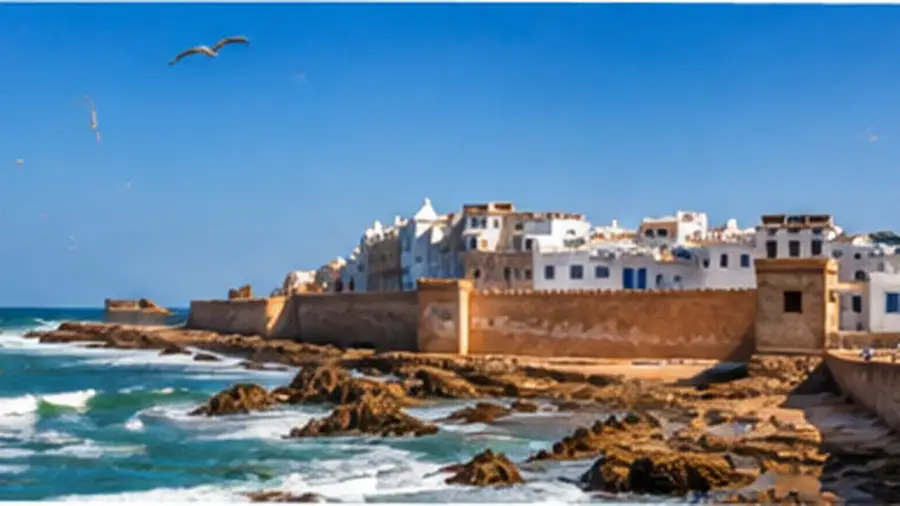
Leave Marrakech for the Atlantic and watch the dry inland plain gradually open toward argan country. If you are interested, stop at a women’s cooperative where the production process can be explained without turning the visit into a mandatory shopping stop. By early afternoon, arrive in Essaouira and check in inside or close to the medina. Walk toward the fishing port, Skala ramparts and sea-facing lanes, then slow down: the city is compact enough to explore without a guide or a strict timetable. Fresh fish, galleries and blue-and-white streets give the day a completely different mood from Marrakech. Stay overnight so the coast is more than a brief excursion.
Day 13
Essaouira to Marrakech: Ocean Morning and a Flexible Departure
Meals: Breakfast
Included: Private transfer from Essaouira to Marrakech and confirmed final drop-off
Use the morning for whatever you missed the previous afternoon: coffee near the port, a final walk along the ramparts, the beach, or a last look through the small workshops around the medina. Departure time is then shaped around your flight or onward plan. The drive back to Marrakech normally takes several hours, so an early airport departure requires leaving Essaouira promptly, while a later flight allows a gentler morning by the sea. Your driver takes you directly to the airport, hotel or agreed drop-off point. No extra sightseeing is forced into the final hours; the priority is a reliable, unhurried finish to the journey.