Day 1
Casablanca to Rabat: Atlantic Start and Gardened Capital
Meals: Breakfast unless otherwise confirmed
Included: Private transport and route coordination
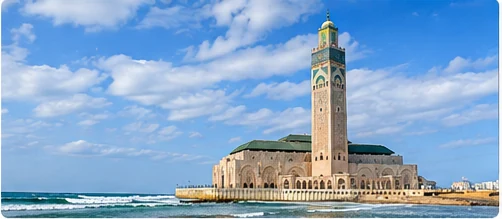
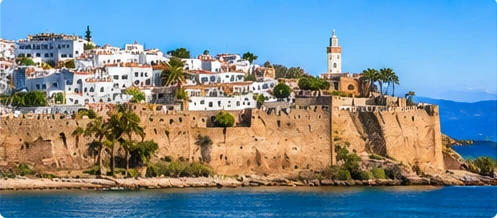
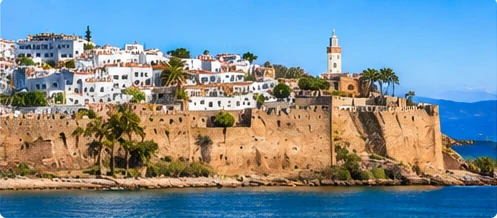
Begin in Casablanca with an exterior or scheduled interior visit to the Hassan II Mosque, then follow the coast north to Rabat. After check-in, walk through the Kasbah of the Udayas and look across the Bou Regreg, then continue to Hassan Tower and the Mausoleum of Mohammed V. If you arrive early, add the Chellah, where ruins and gardens create a quieter first contact with Morocco than a crowded medina. The day is kept light because this itinerary puts more physical emphasis on desert and mountain landscapes later. A comfortable first night in Rabat gives you time to recover from the flight before moving inland through Roman and imperial sites tomorrow.
Day 2
Rabat to Fes via Volubilis and Meknes: Plains, Ruins and Imperial Walls
Meals: Breakfast unless otherwise confirmed
Included: Private transport and route coordination
Drive east toward Meknes and Volubilis, using the day to understand the landscapes between Morocco’s cities. At Volubilis, mosaics and columns stand in open fields with broad views toward surrounding hills, making the archaeological site as much about setting as ruins. Continue to Meknes for Bab Mansour and the old imperial district, then drive on to Fes. Check into your riad before dark and leave the medina for the next morning. This is the route’s main historical transfer; from Fes onward, the journey increasingly follows geography—Middle Atlas forests, Sahara dunes, canyon country and finally the High Atlas trails.
Day 3
Fes: Medina Architecture and Artisan Life
Meals: Breakfast unless otherwise confirmed
Included: Private transport where useful and planned local guiding
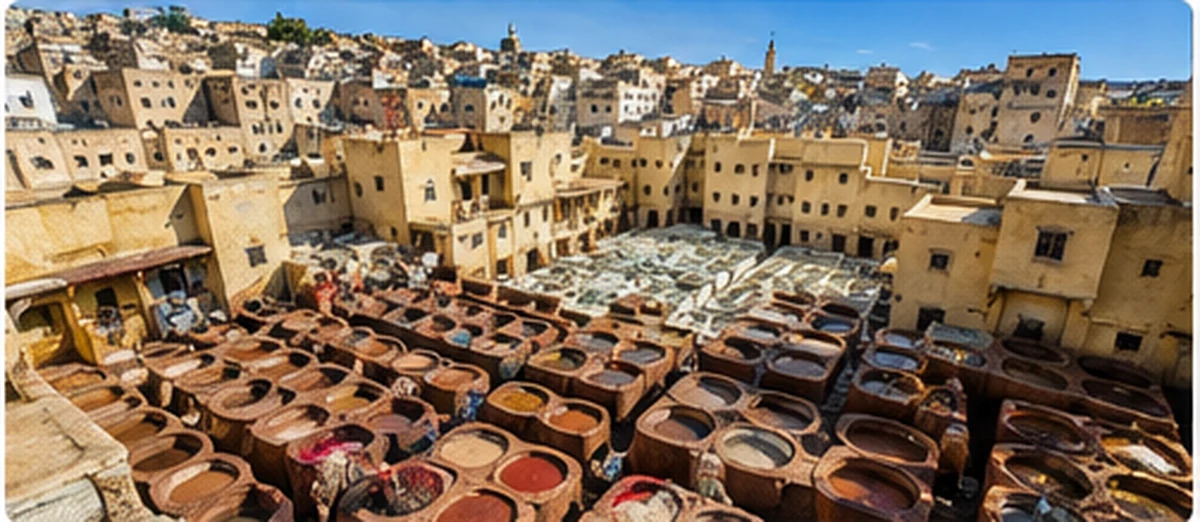
Explore Fes el-Bali with a local guide, visiting a madrasa when open, the Nejjarine area, food markets and a tannery viewpoint. Follow streets where metal, wood and textiles are still produced, and stop long enough to understand the work rather than viewing each workshop as a souvenir stop. Lunch inside the medina breaks up the walking, after which you can continue through a quieter quarter or visit the mellah. Finish from a panoramic viewpoint where the old city’s position between surrounding hills becomes clear. Although this is a nature-focused itinerary, Fes deserves a full day because the human landscape of the medina is as layered as the valleys and mountains ahead.
Day 4
Fes to Merzouga: Cedar Forests, High Plateaus and the Ziz Valley
Meals: Breakfast unless otherwise confirmed
Included: Private transport and route coordination
Set out from Fes before the city fully wakes, climbing into the Middle Atlas through Ifrane and the cedar landscapes around Azrou. Weather determines where it is useful to stop; winter and spring can still feel cold at elevation even when the Sahara is warm. Continue via Midelt, then descend through mountain gorges toward Errachidia and the Ziz Valley. A viewpoint over the palm-filled valley is one of the day’s most striking landscape stops. Continue through Erfoud and Rissani to Merzouga, reaching the edge of Erg Chebbi near sunset if road conditions are good. Check in close to the dunes and keep the major desert circuit for tomorrow so the long drive does not become an overfilled activity day.
Day 5
Erg Chebbi: Dune Ecology, Desert Tracks and Camp Night
Meals: Breakfast unless otherwise confirmed
Included: Private transport, desert logistics and the confirmed Sahara activity
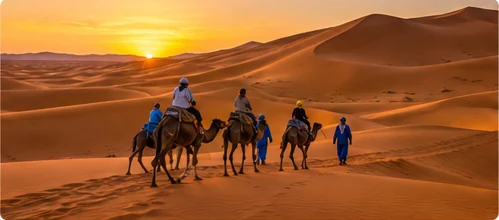
Spend the morning exploring beyond the main dune edge by 4x4. The terrain around Erg Chebbi includes black-stone plains, seasonal water areas, sparse grazing zones and settlements that depend on very different resources from Morocco’s northern cities. Visit Khamlia for Gnawa music and include other encounters only when they are respectfully arranged. Rest during the hottest part of the day, then cross into the dunes by camel or 4x4 for an overnight camp. Walk a short distance from camp before sunset to experience the scale and silence of the dune field. After dinner, the absence of urban light makes this one of the best nights of the trip for stargazing.
Day 6
Merzouga to Todra Gorge: Leave the Dunes for Limestone Canyon
Meals: Breakfast unless otherwise confirmed
Included: Private transport and route coordination
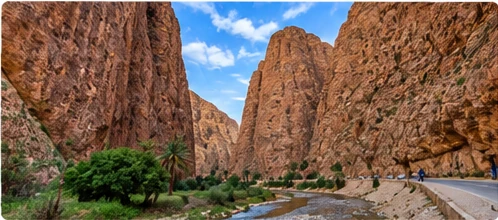
Depart Merzouga after breakfast, pausing in Rissani when the market or ksar areas fit the timing. Travel west toward Tinghir, where a broad palm oasis sits at the mouth of the Todra Valley. Rather than continuing immediately to Dadès, stay closer to Todra tonight. Walk into the main gorge in the afternoon, then follow a quieter trail or garden path with a local guide if conditions allow. The overnight changes the usual “photo stop” into a proper landscape experience. Evening light on the canyon walls can be more memorable than midday, and the cooler hours are better for walking. Sleep in the valley or near Tinghir.
Day 7
Todra Gorge to Dadès: Walk the Foothills and Follow the Valley West
Meals: Breakfast unless otherwise confirmed
Included: Local mountain guide and route support for the confirmed walk
Start with another walk around Todra before the day heats up. Depending on fitness, choose a short canyon-side route or a longer path into the surrounding foothills with a local guide. After lunch, drive west toward the Dadès Valley, stopping at viewpoints over cultivated river terraces and eroded rock formations. The distance is short enough that the day remains focused on being outside rather than sitting in the vehicle. Reach your accommodation with time for a final stroll near the valley floor. This is the trip’s bridge between desert and kasbah country, and it deliberately includes two consecutive days where geology and walking matter more than monuments.
Day 8
Dadès to Aït Ben Haddou: Rose Valley, Skoura Palmery and Kasbah Country
Meals: Breakfast unless otherwise confirmed
Included: Private transport and route coordination
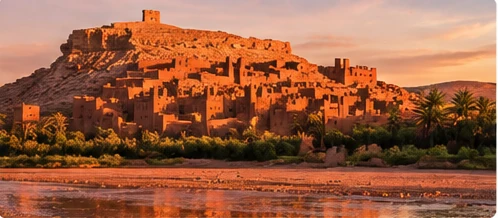
Travel through Kelaat M’Gouna and the Rose Valley, with an optional cooperative visit when local production is active. Continue to Skoura and its palm groves, where a short walk can reveal irrigation channels, gardens and earthen architecture that are easy to miss from the road. Pass Ouarzazate and arrive at Aït Ben Haddou in the afternoon. Explore the ksar on foot and climb high enough to look across the Ounila Valley and surrounding dry plateaus. Overnight nearby, allowing the day to finish in a small settlement rather than another city. The route shows how southern communities are shaped by scarce water as much as by defensive architecture.
Day 9
Aït Ben Haddou to Marrakech: High Atlas Passes
Meals: Breakfast unless otherwise confirmed
Included: Private transport and route coordination
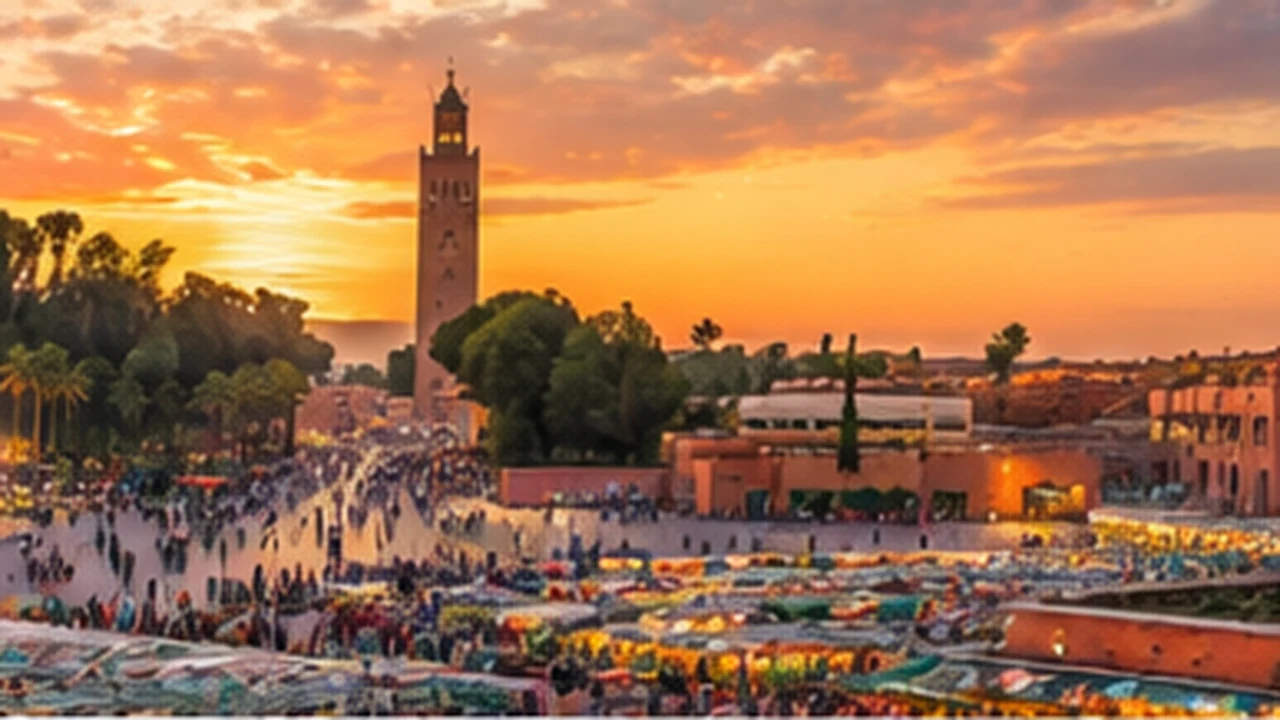
Cross the High Atlas toward Marrakech after breakfast. Use the Ounila Valley and Telouet when road conditions make it practical, or follow the main Tizi n’Tichka route. Either way, the day is about altitude and changing geology: dry plateaus give way to high passes and then the wide Haouz plain. Stop at selected viewpoints rather than every roadside pullout, and reach Marrakech in the afternoon. Check into your riad and take a simple orientation walk around the Koutoubia and Jemaa el-Fna. After several days centered on natural landscapes, the city’s density is a dramatic change. A full guided visit is reserved for tomorrow.
Day 10
Marrakech: Heritage Day Before Returning to the Mountains
Meals: Breakfast unless otherwise confirmed
Included: Private transport where useful and planned local guiding
Spend the day with a local guide, selecting a few monuments that reveal Marrakech’s history without exhausting the schedule. Bahia Palace, Ben Youssef Madrasa and the Saadian Tombs are strong options, followed by a walk through the craft souks and lunch in the medina. Use the afternoon for a garden or free time, then return toward Jemaa el-Fna around sunset. This is the itinerary’s main urban day after Fes, and it gives a clear contrast between the two imperial cities. Keep the evening relaxed because tomorrow leaves the city again for Imlil and a second, very different High Atlas experience on foot.
Day 11
Marrakech to Imlil: Into the Toubkal Foothills
Meals: Breakfast unless otherwise confirmed
Included: Private transport and route coordination
Drive south from Marrakech into the High Atlas foothills, climbing through valleys and villages to Imlil. Meet a local mountain guide after check-in and take an easy orientation walk through nearby hamlets and terraced fields. The exact route is deliberately short today so altitude, weather and individual fitness can be assessed before tomorrow’s longer hike. From the village, views toward the Toubkal massif change with season—snow on high summits in colder months, greener terraces after winter rain, and dry clarity in autumn. Spend the evening in a mountain lodge or guesthouse, where meals are simple and the pace is much quieter than Marrakech.
Day 12
Imlil: Full-Day High Atlas Hike with a Local Guide
Meals: Breakfast unless otherwise confirmed
Included: Local mountain guide and route support for the confirmed walk
Set out on foot with a qualified local guide for a route chosen according to season and the group’s ability. One option links Imlil with Aremd and surrounding valleys, climbing to viewpoints over terraced fields without committing to a Toubkal summit. Stronger walkers can extend the route, while anyone preferring a gentle day can use shorter village circuits. Lunch is arranged on the trail or in a family-run guesthouse. The guide manages snow, heat and path conditions rather than following a fixed GPS track regardless of weather. Return to Imlil by late afternoon for tea and a second mountain night, with time to recover before the final transfer.
Day 13
Imlil to Marrakech: Mountain Breakfast and Departure
Meals: Breakfast unless otherwise confirmed
Included: Private transport and route coordination
Have breakfast in Imlil and, if flight timing allows, walk briefly through the village before descending to Marrakech. The transfer normally takes around two hours, but traffic near the city and airport can add time, so departure is planned conservatively. Travelers with an evening flight can enjoy an unhurried mountain morning; early flights require leaving promptly, while guests extending their stay are dropped at a riad or hotel. The journey ends after linking Morocco’s urban heritage to its most varied natural landscapes: cedar forests, the Ziz oasis, Erg Chebbi, Todra limestone, Dadès valleys and the High Atlas. No extra sightseeing is forced into the final transfer.