Day 1
Arrive in Marrakech
Meals: No meals included unless arranged with your hotel or confirmed package
Included: Marrakech airport pickup, private transfer to accommodation, professional local driver, hotel or riad check-in support, free time in Marrakech depending on arrival schedule, local recommendations if needed
Welcome to Morocco. After arrival at Marrakech Menara Airport, meet your private driver and transfer comfortably to your accommodation in the city. The drive usually takes around 30 minutes, depending on traffic and the location of your riad or hotel.
This first day is kept flexible so you can rest after your flight, settle in, and begin adjusting to the rhythm of Marrakech. If you arrive early enough, you may take a gentle first walk near your accommodation, enjoy tea on a terrace, or ask your driver or local contact for simple recommendations based on your energy level.
Marrakech is one of Morocco’s most exciting cities, known for its red walls, old medina, gardens, souks, palaces, food stalls, and the famous Jemaa el-Fna square. Even a short evening walk can give you a first feeling of the city’s colors, sounds, and atmosphere.
If you prefer to rest, the day can remain quiet with check-in and free time at your riad or hotel. This is a smooth arrival day before the deeper city discovery on Day 2 and the journey into the High Atlas Mountains on Day 3.
Overnight in Marrakech.

Day 2
Explore Marrakech, the Red City
Meals: Breakfast
Included: Breakfast at your accommodation, self-guided Marrakech exploration, local route advice, Jemaa el-Fna visit, souks, Koutoubia area, optional palace or garden visits depending on timing, overnight arrangement support
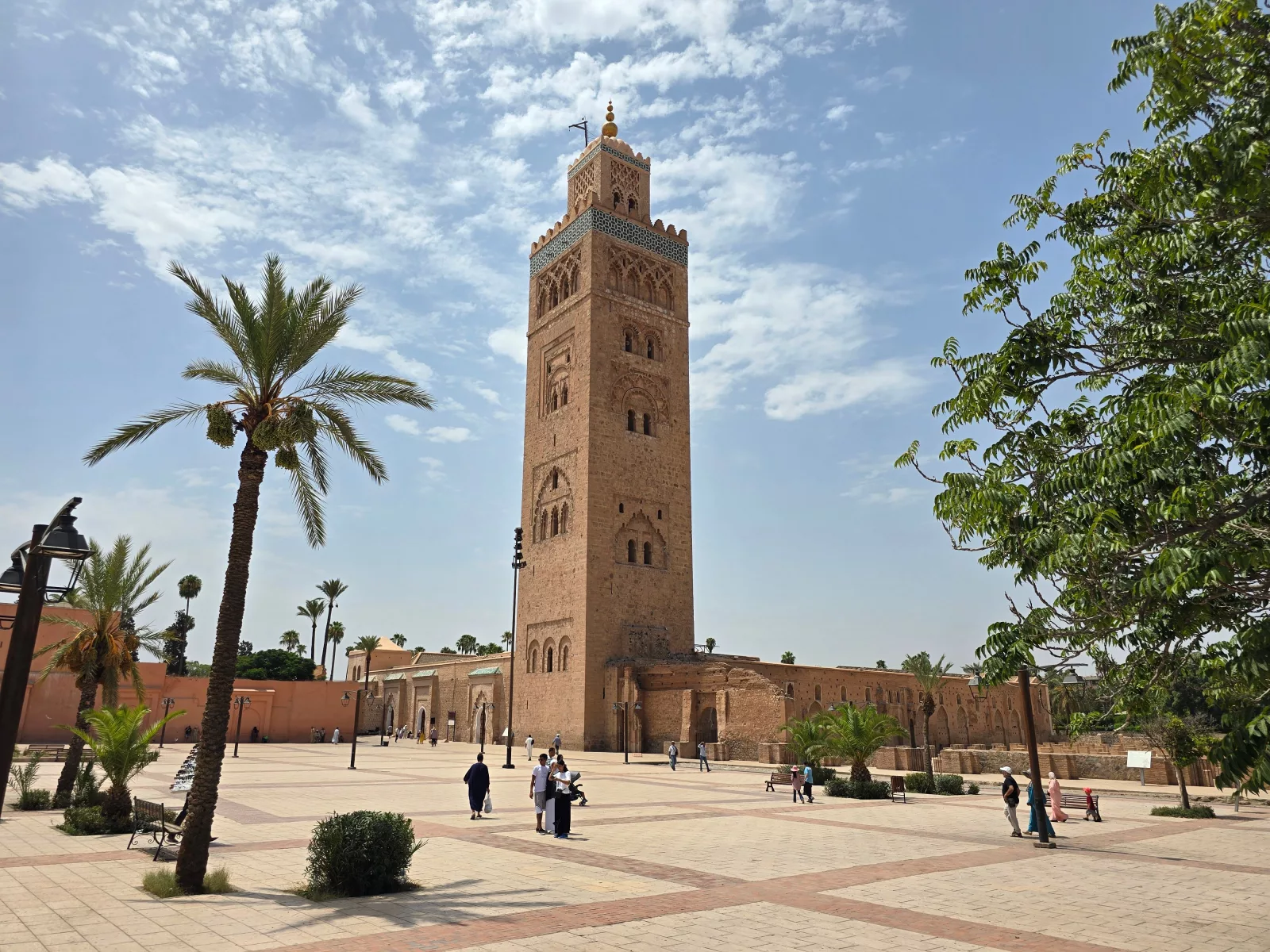
After breakfast, begin exploring Marrakech, one of Morocco’s most vibrant and atmospheric cities. Known as the Red City because of the natural red tones of its old walls and buildings, Marrakech offers a powerful introduction to Moroccan medina life, gardens, markets, architecture, and food culture.
Start around Jemaa el-Fna, the city’s famous main square and one of the best places to feel Marrakech’s daily rhythm. During the day, the square is surrounded by cafés, juice stalls, shops, storytellers, musicians, and the movement of people entering and leaving the medina.
From the square, continue into the souks north of Jemaa el-Fna. These markets are full of spices, lanterns, textiles, leather goods, traditional slippers, woodwork, ceramics, carpets, natural products, and everyday local trade. This is a good area to walk slowly, take photos, and begin understanding the energy of the old city.
You may also visit the Koutoubia Mosque area and gardens from the outside, one of Marrakech’s most recognizable landmarks. Its minaret is a key symbol of the city and a useful point of orientation while exploring the medina.
If you want to continue toward the historic southern side of the old city, you can visit areas around the Kasbah, including the Saadian Tombs, Bahia Palace, and El Badi Palace depending on opening times and your interests. These sites add royal history, architecture, courtyards, tilework, and decorative detail to the day.
Later, head to Majorelle Garden if included or if you choose to visit independently. This peaceful garden offers a different rhythm from the medina, with exotic plants, palms, bamboo, water features, and bold blue architecture.
The rest of the afternoon and evening are free. You can return to your riad, continue exploring the medina, enjoy a rooftop café, or experience Jemaa el-Fna again as the square becomes livelier with food stalls and evening activity.
Overnight in Marrakech.
Day 3
Mountain Hike in Imlil and Lunch with a Local Family
Meals: Breakfast Lunch if included in the confirmed local family experience
Included: Breakfast at your accommodation, private air-conditioned transport, professional local driver, Marrakech to Imlil transfer, Asni stop if timing allows, Moulay Brahim Gorge route, local mountain guide if included, easy Imlil Valley hike, local family lunch if confirmed, mountain accommodation support
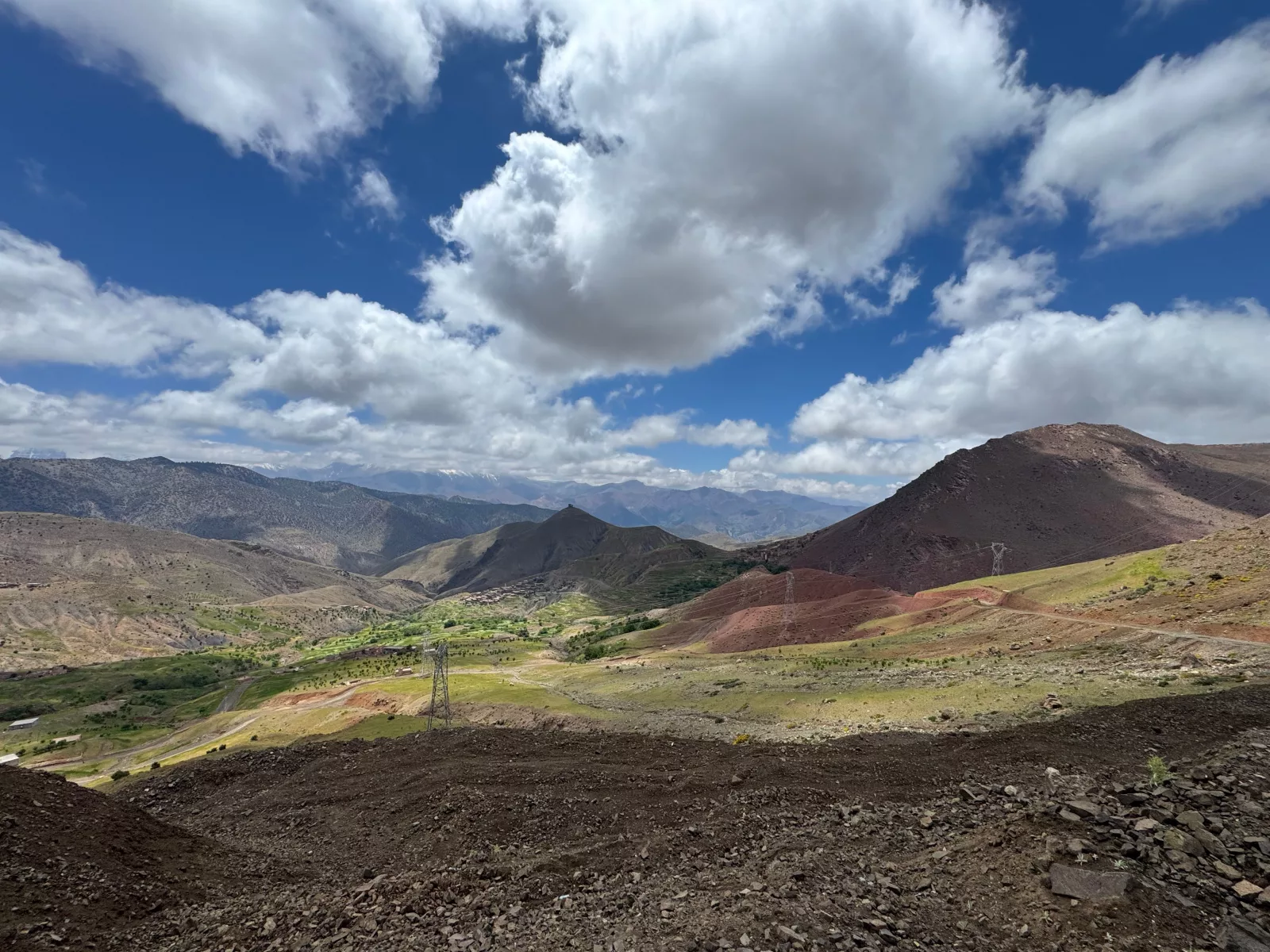
After breakfast in Marrakech, meet your private driver and begin the journey into the High Atlas Mountains. The road leaves the city behind and gradually rises through valleys, hills, villages, and mountain landscapes toward Imlil, one of the main gateways to Toubkal National Park.
On the way, pass through the Asni area, a small mountain town known for its weekly market and its role as a meeting point for nearby villages. Depending on timing and market day, a short stop can be arranged to experience the local rhythm of the region.
Continue through the scenic Moulay Brahim Gorge and deeper into the High Atlas. The drive offers beautiful views of terraced fields, mountain slopes, rivers, orchards, and traditional villages built into the landscape.
Arrive in Imlil, where you meet your local mountain guide if included in the confirmed package. Before the hike, enjoy a glass of mint tea and take time to settle into the slower rhythm of the mountains.
Begin an easy guided walk through the Imlil Valley toward local villages such as Armed and Aït Souka. Along the way, discover traditional Berber village life, farming terraces, mountain paths, stone houses, and views of the surrounding peaks.
If included and confirmed, enjoy lunch with a local family in or near the valley. This is a warm cultural moment, offering homemade Moroccan or Berber food, tea, conversation, and a closer connection to daily life in the High Atlas.
After the hike and lunch, continue to your mountain accommodation in Imlil. The evening is free to relax, enjoy the fresh mountain air, and prepare for a deeper guided hike in the valley the next day.
Overnight in Imlil.
Day 4
Guided Hike in Imlil Valley
Meals: Breakfast
Included: Breakfast at your accommodation, private mountain guide if included, guided Imlil Valley hike, Berber village route, mountain scenery, local cultural orientation, free afternoon in Imlil, overnight arrangement support
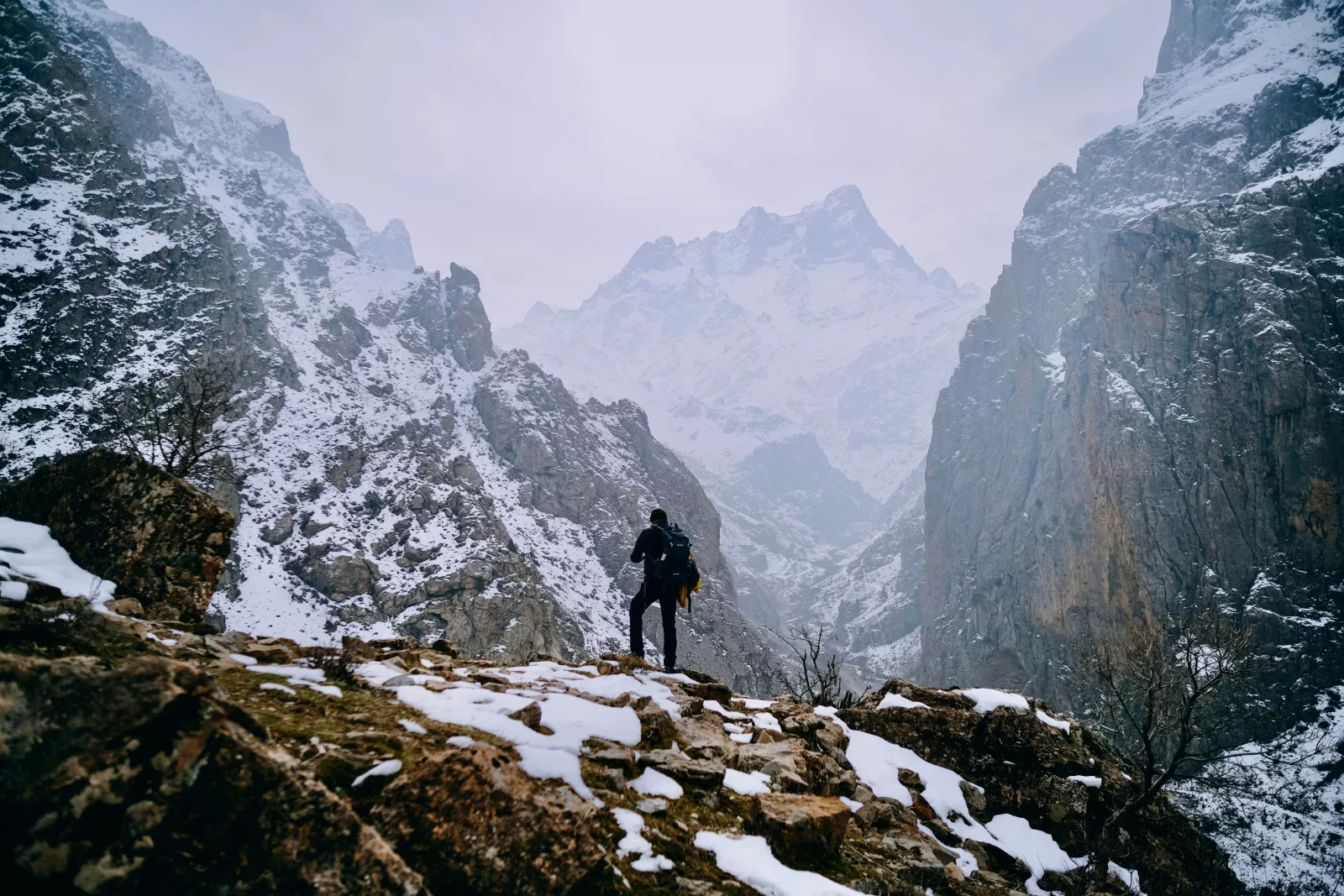
After breakfast in Imlil, meet your private mountain guide and begin a guided hike through the landscapes of the High Atlas Mountains. This day is designed to give you a deeper experience of the Imlil Valley, with mountain paths, traditional villages, streams, terraced fields, and wide views toward the surrounding peaks.
The hike can be adjusted according to your fitness level, weather, and confirmed route. A typical walk may last around 3 to 4 hours and can pass through Berber villages, walnut groves, small farming areas, and quiet mountain trails.
Along the way, your guide can share stories about local life, mountain traditions, agriculture, village architecture, and the role of Imlil as a gateway to Toubkal National Park. The region is known for its strong connection to Mount Toubkal, the highest peak in North Africa, and for its peaceful valley atmosphere.
This is not only a scenic hiking day. It is also a chance to meet local people, observe daily village life, and understand how families live in the High Atlas through farming, hospitality, seasonal work, and mountain culture.
Stops can be made for photos, tea, rest, or short conversations with locals depending on timing and the pace of the walk. The experience should feel active but not rushed, allowing you to enjoy both the natural beauty and the human side of the valley.
After the hike, return to your accommodation in Imlil and enjoy a relaxed afternoon. You can rest, read, enjoy tea with mountain views, or take a short independent walk nearby if you still have energy.
The evening is free to enjoy the calm of the mountains before crossing the High Atlas toward Aït Benhaddou the next day.
Overnight in Imlil.
Day 5
Transfer to Aït Benhaddou, Free Time in Aït Benhaddou Kasbah
Meals: Breakfast
Included: Breakfast at your accommodation, private air-conditioned transport, professional local driver, Imlil to Aït Benhaddou transfer, High Atlas Mountain crossing, Tizi n’Tichka route, scenic stops, Aït Benhaddou arrival transfer, free time in the kasbah, accommodation support
After breakfast in Imlil, leave the High Atlas mountain village and begin the journey toward southern Morocco. This day crosses one of the country’s most scenic mountain routes, linking the fresh valleys of Imlil with the desert-edge landscapes around Aït Benhaddou.
Travel through mountain roads, valleys, traditional villages, and high viewpoints as the route climbs toward the Tizi n’Tichka Pass. Along the way, you can enjoy views of the High Atlas Mountains, including wide panoramas, terraced slopes, river valleys, and changing landscapes.
As the road descends toward the south, the scenery becomes drier and warmer. The green mountain valleys gradually give way to red earth, kasbah-style architecture, open plains, and the first strong signs of southern Morocco.
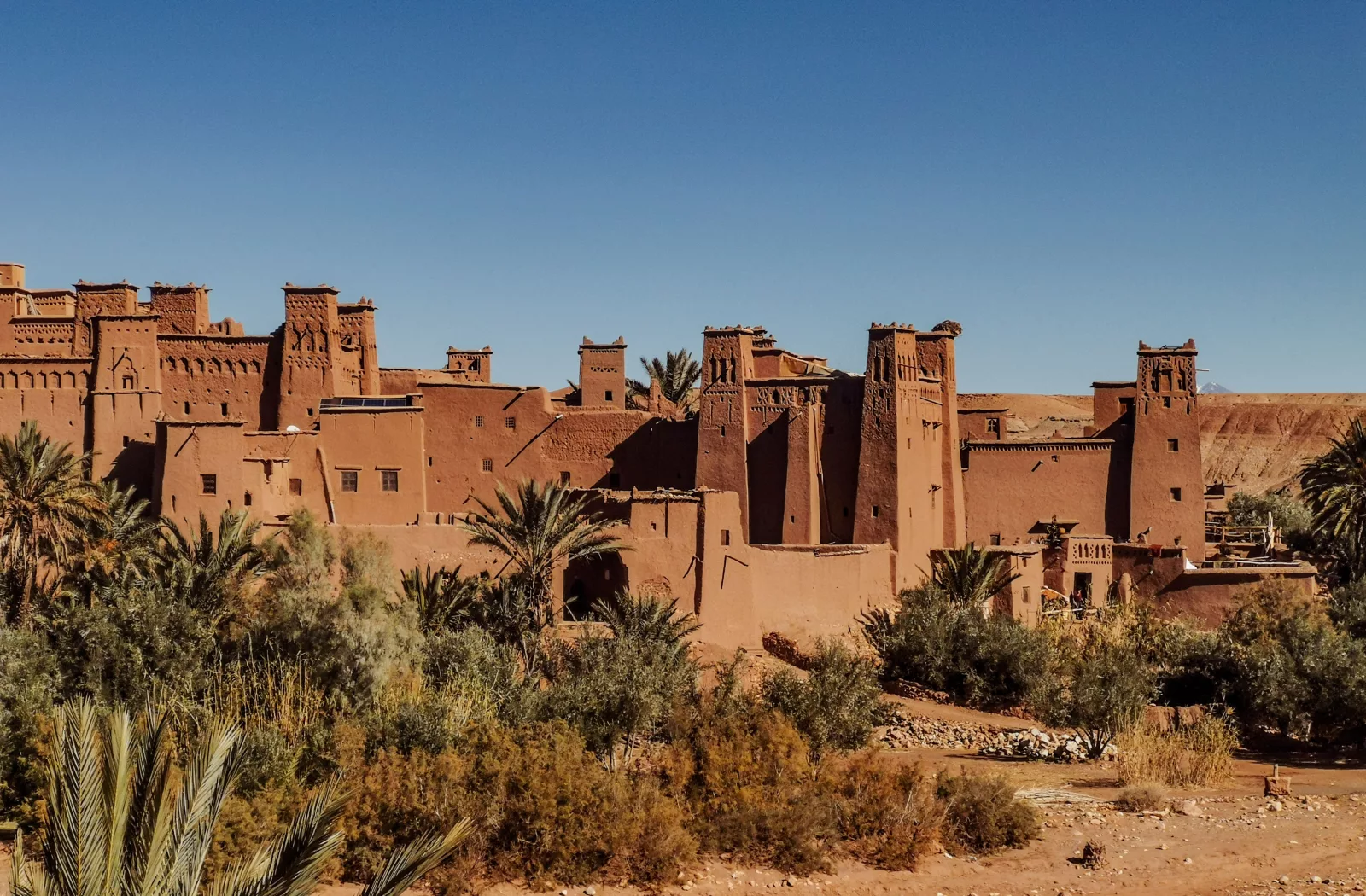
Arrive in Aït Benhaddou, Morocco’s most famous fortified ksar and a UNESCO World Heritage Site. This historic earthen village is known for its mudbrick architecture, defensive towers, old passageways, riverbed views, and its position on former caravan routes between the Sahara and Marrakech.
After check-in, enjoy free time to explore the kasbah at your own pace. Walk through the narrow lanes, visit small shops, sip mint tea, or climb toward the upper viewpoint for wide views over the ksar, surrounding hills, dry riverbed, and old trade-route landscapes.
Aït Benhaddou has also been used as a filming location for many international productions, adding another layer of interest to its historical and visual appeal. The evening is free to relax, enjoy dinner, and take in the quiet atmosphere of southern Morocco.
Overnight in Aït Benhaddou.
Day 6
Hike and Lunch with a Local Family in Dadès Valley
Meals: Breakfast Lunch if included in the confirmed local family experience
Included: Breakfast at your accommodation, private air-conditioned transport, professional local driver, Aït Benhaddou to Boumalne Dadès transfer, Valley of a Thousand Kasbahs route, Kalaat M’Gouna passage, Dadès Valley walk if included, local family lunch if confirmed, accommodation support in Boumalne Dadès
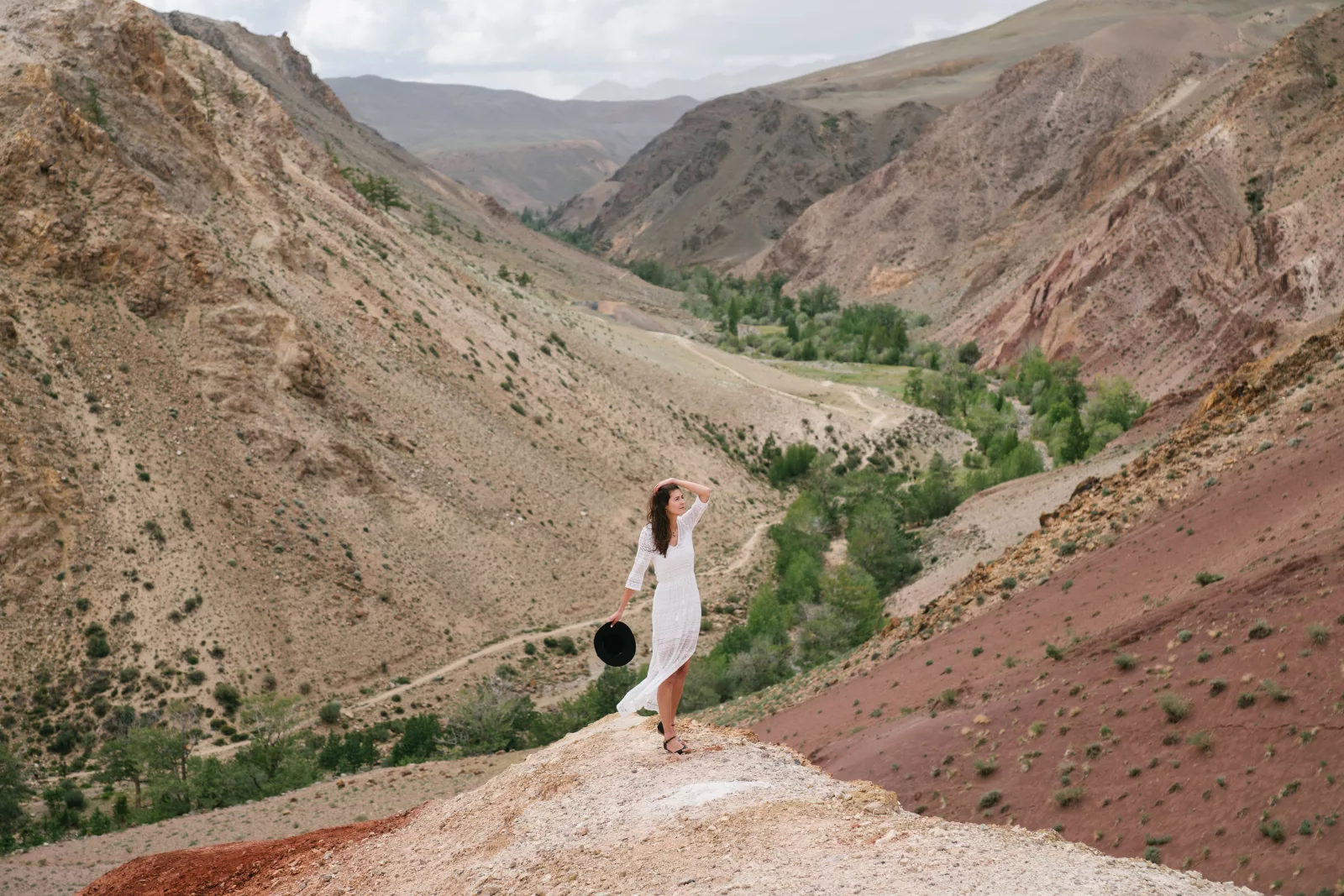
After breakfast in Aït Benhaddou, meet your private driver and begin the journey toward Boumalne Dadès. This day introduces one of southern Morocco’s most beautiful landscape routes, where kasbahs, red-orange rock formations, palm groves, villages, and oasis valleys create a powerful desert-edge atmosphere.
The route passes through the Valley of a Thousand Kasbahs, a region known for traditional fortified architecture, mudbrick villages, old caravan history, and wide views across southern Morocco. Along the way, you may see abandoned kasbahs, farming terraces, small settlements, and changing desert colors.
Continue near Kalaat M’Gouna, a town connected to the Valley of Roses and the nearby Mount M’Goun region. In spring, this area is especially known for rose harvesting, rose water, natural products, and local cooperatives.
Arrive in the Dadès Valley area, where the green stretch of the Dadès River contrasts beautifully with red rocks, orchards, cliffs, and traditional villages. Depending on timing and the confirmed program, begin a gentle walking experience through the valley with a local guide or host.
During the walk, you may meet local families, learn about village life, observe traditional farming techniques, admire kasbah-style architecture, and understand how people live in this oasis landscape. The pace should remain relaxed, with time for photos, conversation, and cultural connection.
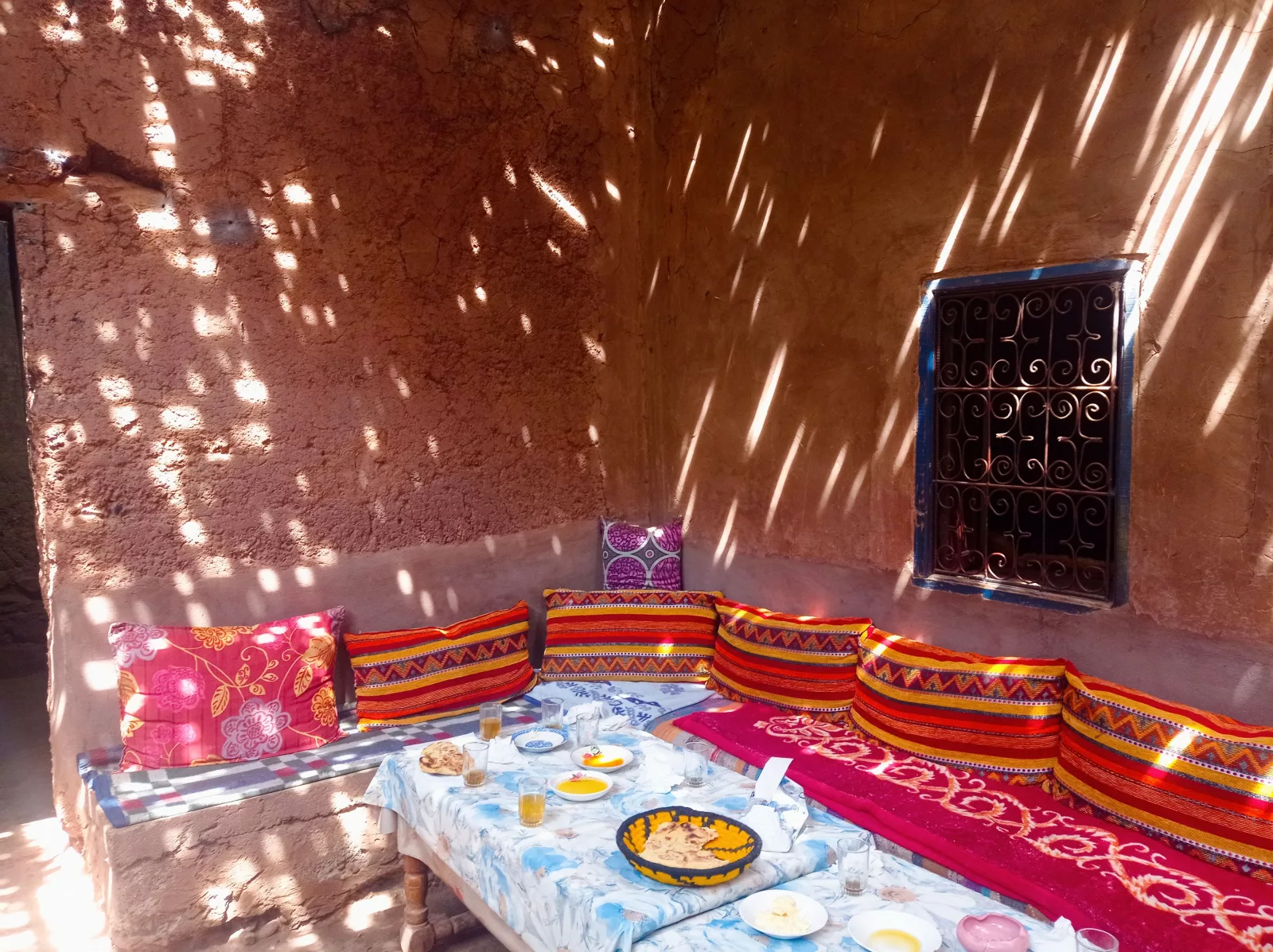
If included and confirmed, enjoy lunch with a local family in a traditional house. This experience can include Moroccan or Berber dishes, mint tea, local hospitality, and a closer look at daily life in the Dadès Valley.
After lunch and the valley visit, return to your accommodation in Boumalne Dadès or the surrounding area. The evening is free to relax, enjoy the views, and prepare for the journey toward Tinghir, Todra Gorge, Rissani, and Merzouga the next day.
Overnight in Boumalne Dadès.
Day 7
Travel to Merzouga via Tinghir and Rissani, Enjoy a Sunset Camel Ride
Meals: Breakfast Dinner if included in the confirmed desert camp arrangement
Included: Breakfast at your accommodation, private air-conditioned transport, professional local driver, Tinghir route, Todra Gorge visit, Erfoud fossil stop if included, Rissani stop if timing allows, Merzouga arrival transfer, camel ride or 4x4 desert transfer if confirmed, desert camp arrangement support
After breakfast in Boumalne Dadès, begin the journey toward Merzouga and the Sahara Desert. This day brings a powerful change in scenery, moving from Dadès Valley landscapes through oasis towns, dramatic gorges, fossil regions, traditional markets, and finally the golden dunes of Erg Chebbi.
Start by traveling toward Tinghir, a desert-edge town surrounded by palm groves, villages, and mountain views. The surrounding oasis stretches along the valley, with date palms, farming areas, and traditional settlements that show the deep connection between water, agriculture, and life in southern Morocco.
Continue to Todra Gorge, one of the most impressive natural sites in the region. High red-stained limestone walls rise around the narrow canyon, creating a dramatic walking area with cool shade, river views, and powerful rock formations. You can enjoy an easy walk through the gorge or simply relax and take photos.
Before reaching the desert, pass through Erfoud, a town known for dates, fossils, and desert trade. If included and timing allows, stop at a local fossil workshop or artisan collective to learn how ancient fossil stone is cut, polished, and transformed into decorative pieces and local products.
Continue toward Rissani, a historic market town near the Sahara. Depending on timing and market day, you may walk around the local souk, see traditional trade, observe the famous donkey parking area, and experience a more local side of desert-region life.
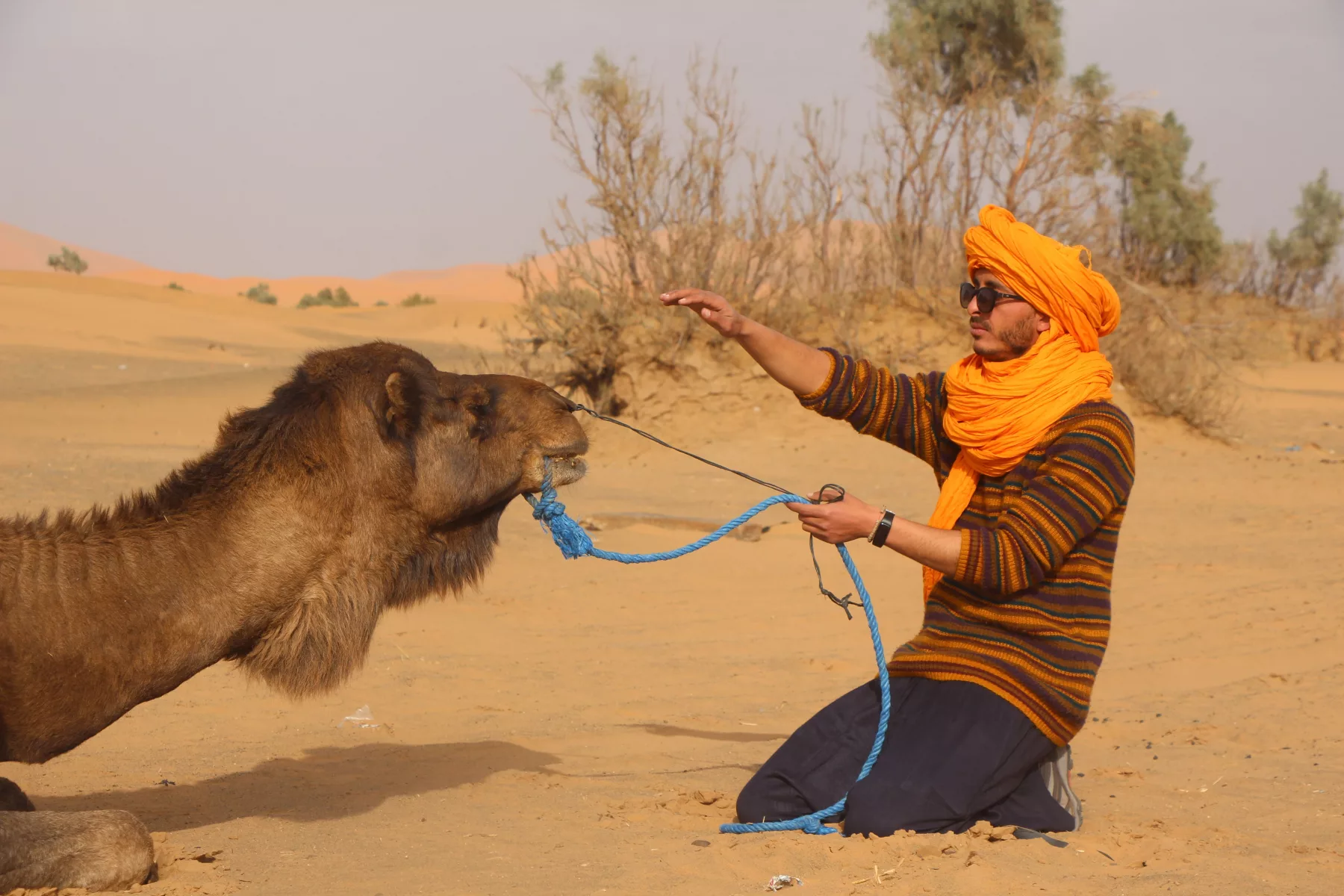
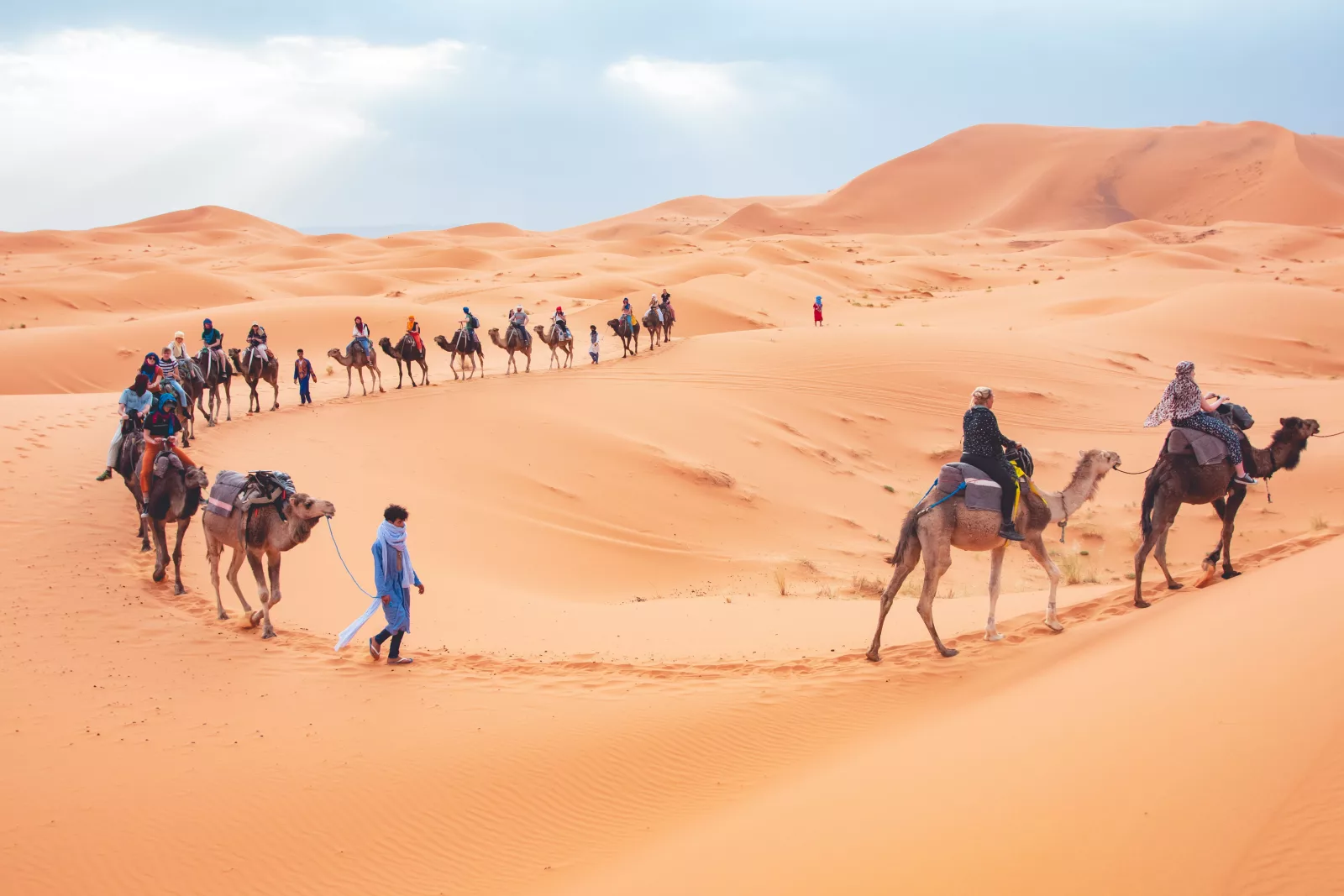
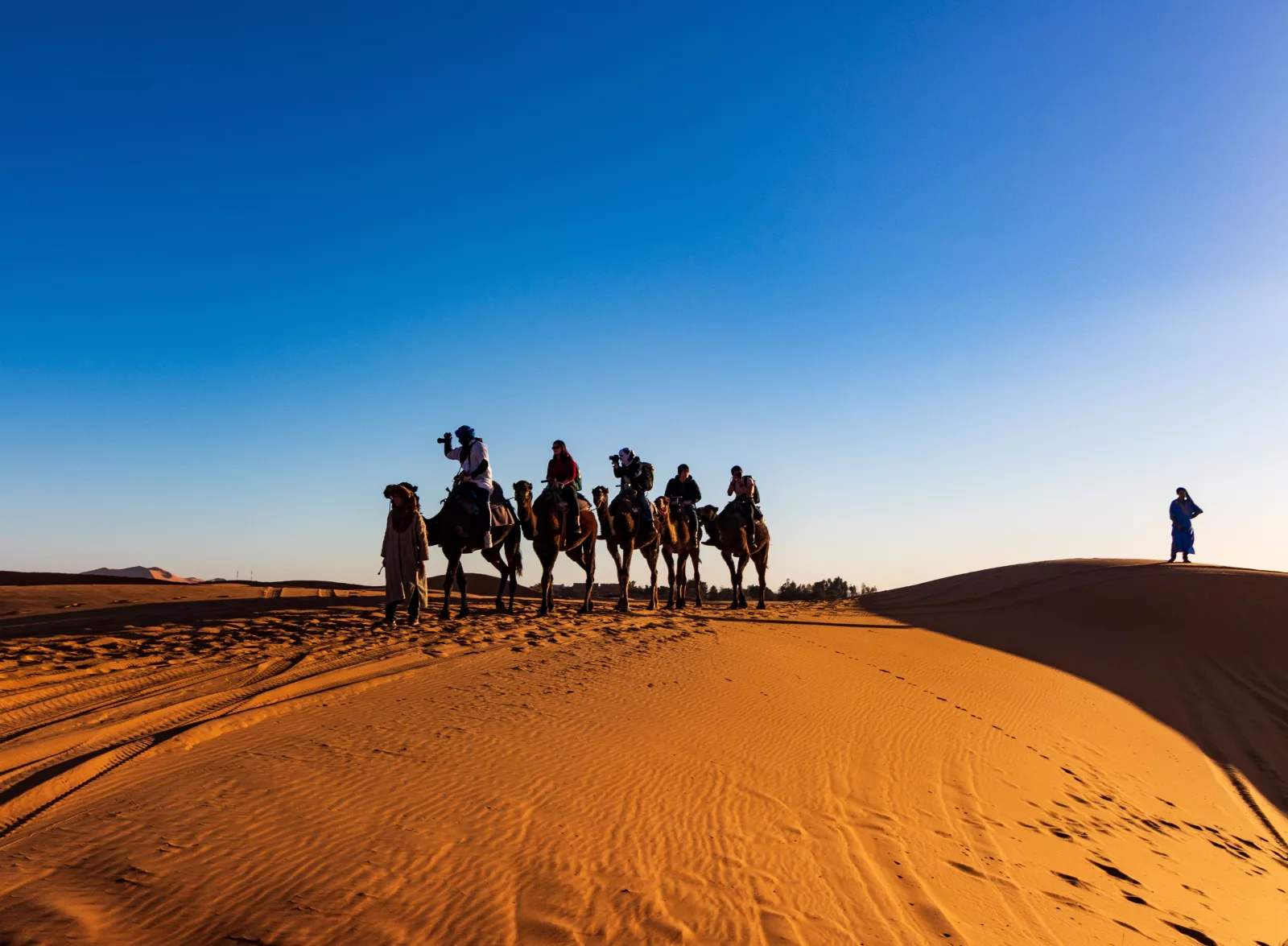
By late afternoon, arrive near Merzouga, where the dunes of Erg Chebbi rise from the desert landscape. After a short break, continue toward your desert camp by camel ride or 4x4 vehicle depending on the confirmed package and traveler preference.
Arrive near the camp in time for sunset if conditions allow. Climb a nearby dune, watch the light change across the sand, and enjoy the quiet atmosphere of the Sahara. In the evening, dinner may be served at camp if included, followed by music, firelight, and stargazing under the desert sky.
Overnight in Merzouga or a Sahara desert camp near Erg Chebbi.
Day 8
Desert Adventures Around Merzouga
Meals: Breakfast Dinner if included in the confirmed desert camp arrangement
Included: Breakfast at your accommodation, 4x4 desert excursion if included, Erg Chebbi dune landscapes, nomad family visit if confirmed, tea with a local family if included, Khemliya village visit if included, Gnawa music experience if confirmed, sunset time, desert camp or accommodation support
Wake up in the Sahara Desert and enjoy the quiet morning atmosphere around the Erg Chebbi dunes. After breakfast at your camp or accommodation, begin a full day of desert discovery around Merzouga.
The day can include a 4x4 excursion through the dunes and surrounding desert landscapes. This route gives you a wider view of the Sahara beyond the camp, with open plains, sand formations, small settlements, nomadic areas, and views across the desert horizon.
Depending on the confirmed package, you may visit local nomad families and share tea with them. This experience offers a respectful introduction to desert life, seasonal movement, traditional tents, livestock, and the practical knowledge needed to live in this environment.
Continue toward Khemliya village, known for Gnawa music and cultural heritage. If included, visit a local music house to listen to traditional rhythms, learn about the community’s history, and experience one of the most distinctive cultural traditions of the Merzouga region.
The afternoon can remain flexible. Travelers who want more activity may choose optional sandboarding on the dunes or a quad biking experience if arranged in advance. Those who prefer a calmer rhythm can relax at camp, walk near the dunes, enjoy tea, or take photos of the changing desert light.
As evening approaches, climb a nearby dune or choose a quiet viewpoint to watch sunset over the Sahara. The colors often shift from gold to orange and rose as the light moves across the sand.
Return to your camp or accommodation for dinner if included. The evening can include music, firelight, stargazing, and a second night in the peaceful atmosphere of Merzouga.
Overnight in Merzouga or a Sahara desert camp near Erg Chebbi.
Day 9
Drive to Zagora via the Saghru Mountains and Draa Valley
Meals: Breakfast
Included: Breakfast at your accommodation, private air-conditioned transport, professional local driver, Merzouga to Zagora transfer, Saghru Mountains route, N’kob stop if timing allows, Draa Valley route, palm grove scenery, Zagora arrival transfer, accommodation support
After breakfast in Merzouga, leave the Erg Chebbi dunes and begin the journey toward Zagora. This day follows one of southern Morocco’s most atmospheric inland routes, crossing desert plains, Anti-Atlas landscapes, mountain roads, oasis valleys, and palm-filled river scenery.
The route passes through the Saghru Mountains, a rugged region connected to the Aït Atta nomadic tradition. The landscapes here are dramatic and remote, with rocky ridges, dry valleys, small villages, and wide views that feel very different from the dunes of Merzouga.
As you travel through this region, you can learn about the seasonal movement of nomadic families who historically crossed between southern Morocco and the High Atlas pastures. The route gives a deeper sense of Morocco’s desert-mountain culture and the resilience of communities who live between arid lands and highland routes.
Continue toward N’kob, a southern mountain town known for kasbah-style architecture, palm groves, and its position between the Saghro region and the Draa Valley. Depending on timing, this can be a good place for lunch, coffee, or a short walk.
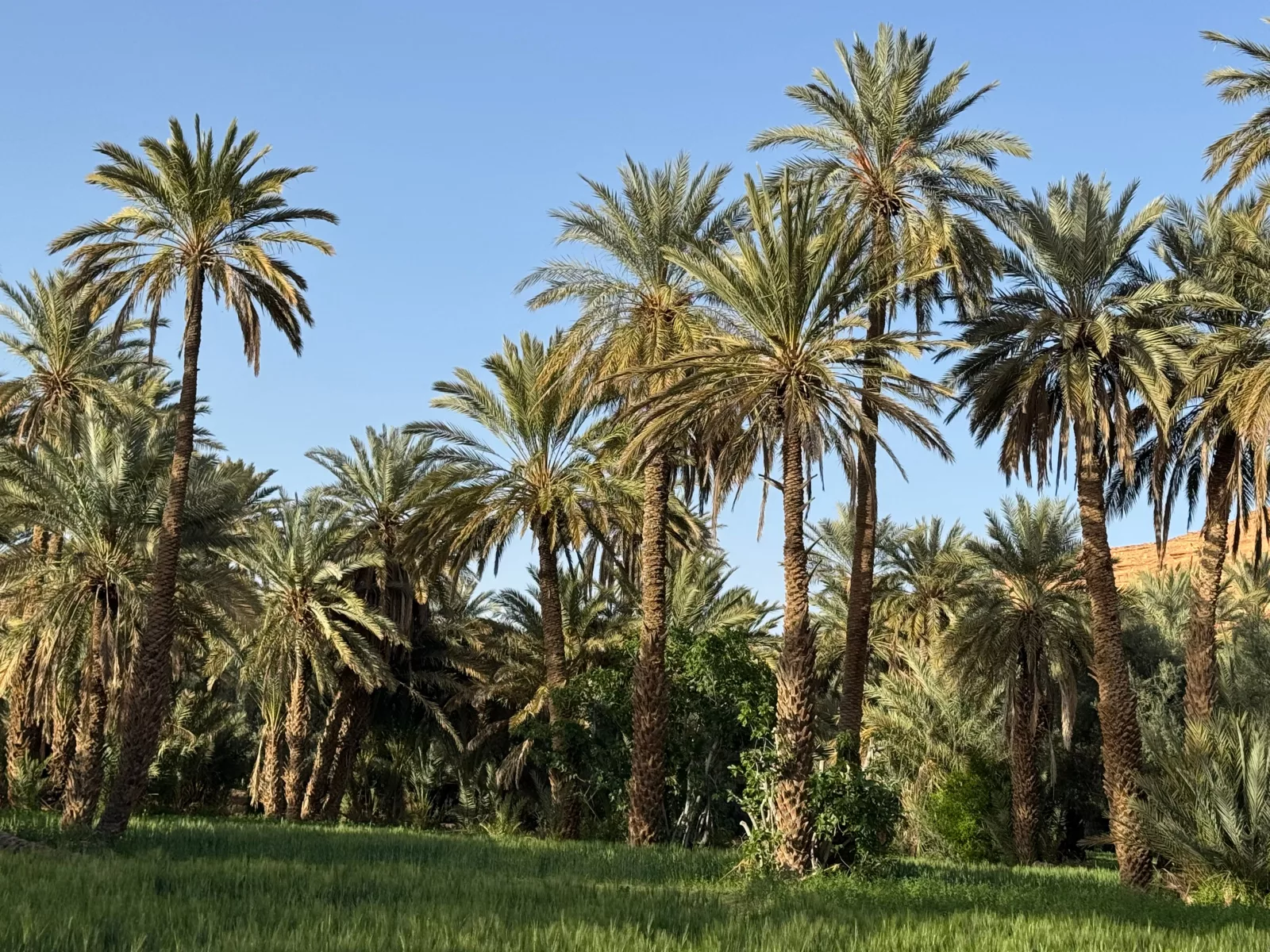
Later, continue into the Draa Valley, one of Morocco’s most beautiful oasis corridors. The landscape becomes greener as palm groves, farms, fruit trees, ksar villages, and river scenery appear along the route. This region is often associated with long caravan routes, oasis life, and southern Morocco’s deep cultural heritage.
By late afternoon, arrive in Zagora, a town surrounded by palm groves and desert-edge landscapes. After check-in, enjoy a quiet evening among the palms, relax at your accommodation, or take a short walk depending on timing and energy.
Overnight in Zagora.
Day 10
Explore Ouarzazate on a Self-Guided Tour
Meals: Breakfast
Included: Breakfast at your accommodation, private air-conditioned transport, professional local driver, Zagora to Ouarzazate transfer, Draa Valley route, Tizi n’Tinififft Pass, Ouarzazate arrival transfer, self-guided town exploration, accommodation support
After breakfast in Zagora, leave the palm groves of the Draa Valley and begin the journey toward Ouarzazate. This route follows one of southern Morocco’s most scenic desert roads, with views of palm-filled valleys, dry mountains, villages, and wide desert-edge landscapes.
As you travel north, cross the Tizi n’Tinififft Pass, where the road opens toward sweeping views of the Draa Valley and surrounding mountains. The scenery shifts gradually from oasis landscapes to the open plateau around Ouarzazate, known as the gateway between the Sahara, the High Atlas, and Marrakech.
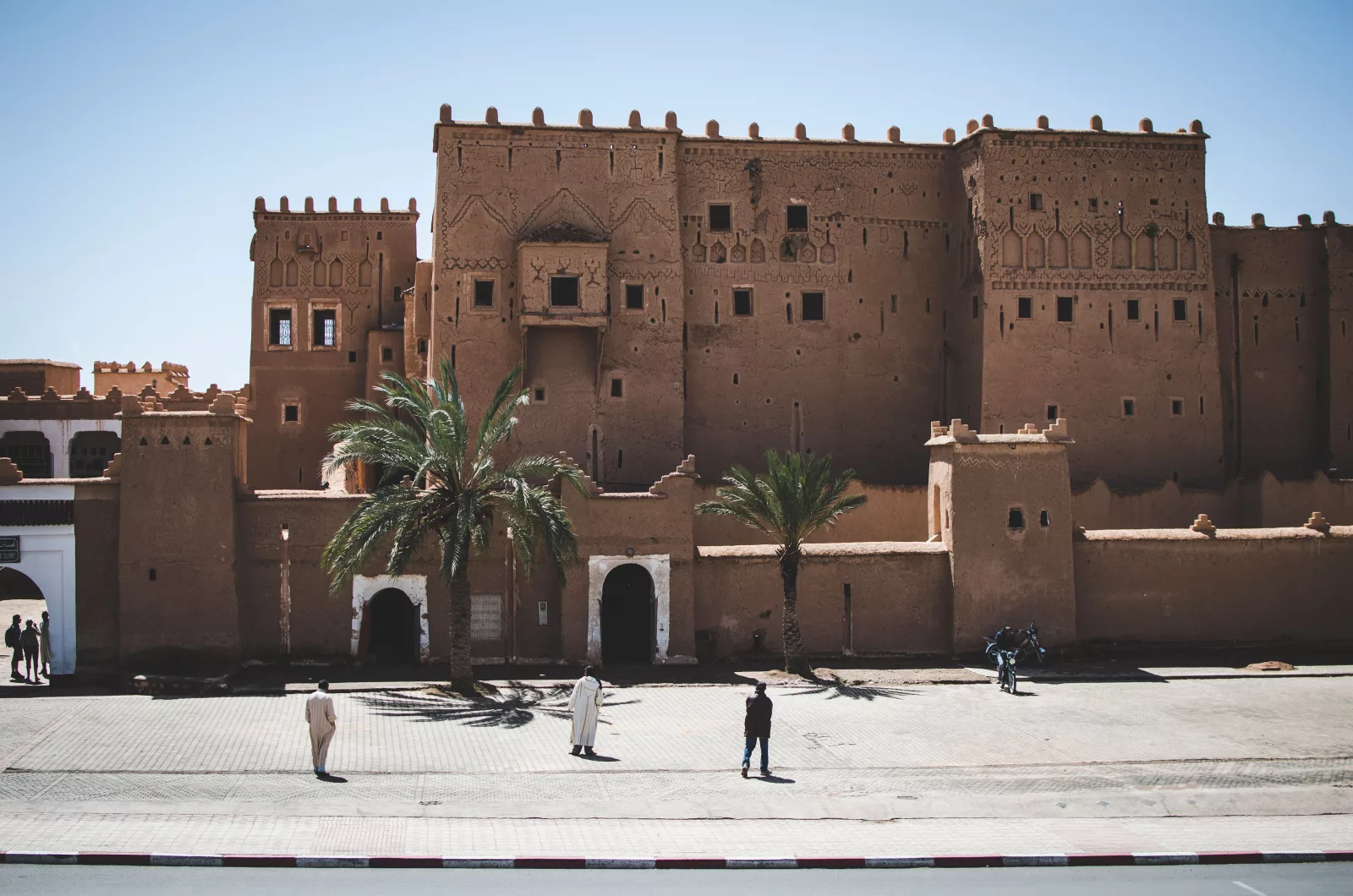
Arrive in Ouarzazate and check into your accommodation. The rest of the day can be used for a self-guided exploration of the town, depending on timing and your interests.
You may begin with Taourirt Kasbah, one of Ouarzazate’s most important historic landmarks. From parts of the kasbah area, you can enjoy views toward the surrounding desert landscape and understand the town’s role as a crossroads between caravan routes, kasbah valleys, and mountain passes.
Ouarzazate is also known for its connection to the film industry. If included or arranged independently, you can visit Atlas Studios, CLA Studios, or the Cinema Museum to see sets, props, and the cinematic side of southern Morocco.
For travelers interested in local heritage, Ouarzazate also has old souks and an important historic mellah area. These areas can add cultural depth to the day, especially for those interested in architecture, trade history, and the layered communities of southern Morocco.
The evening is free to relax, enjoy dinner, or take a quiet walk before continuing west toward Taroudant the next day.
Overnight in Ouarzazate.
Day 11
Explore Taroudant on a Self-Guided Tour
Meals: Breakfast
Included: Breakfast at your accommodation, private air-conditioned transport, professional local driver, Ouarzazate to Taroudant transfer, self-guided Taroudant exploration, old ramparts, medina and souk time, local route advice, accommodation support
After breakfast in Ouarzazate, meet your private driver and travel west toward Taroudant, a historic southern Moroccan town often called the Grandmother of Marrakech. The route offers a different view of South Morocco, moving from desert-edge landscapes toward fertile plains, old walls, and traditional medina life.
On arrival in Taroudant, begin exploring the town at your own pace. Taroudant is known for its impressive ramparts, old gates, calm medina atmosphere, souks, crafts, and strong local identity. It feels smaller and quieter than Marrakech, but still carries the character of an important historic trading town.
Start with the old city walls and gates, such as Bab Selsla, Bab Targont, or Bab Ouled Bounouna if your route allows. You can walk along parts of the perimeter, take photos of the ramparts, or rent a bike or carriage locally if you want a wider view of the walled town.
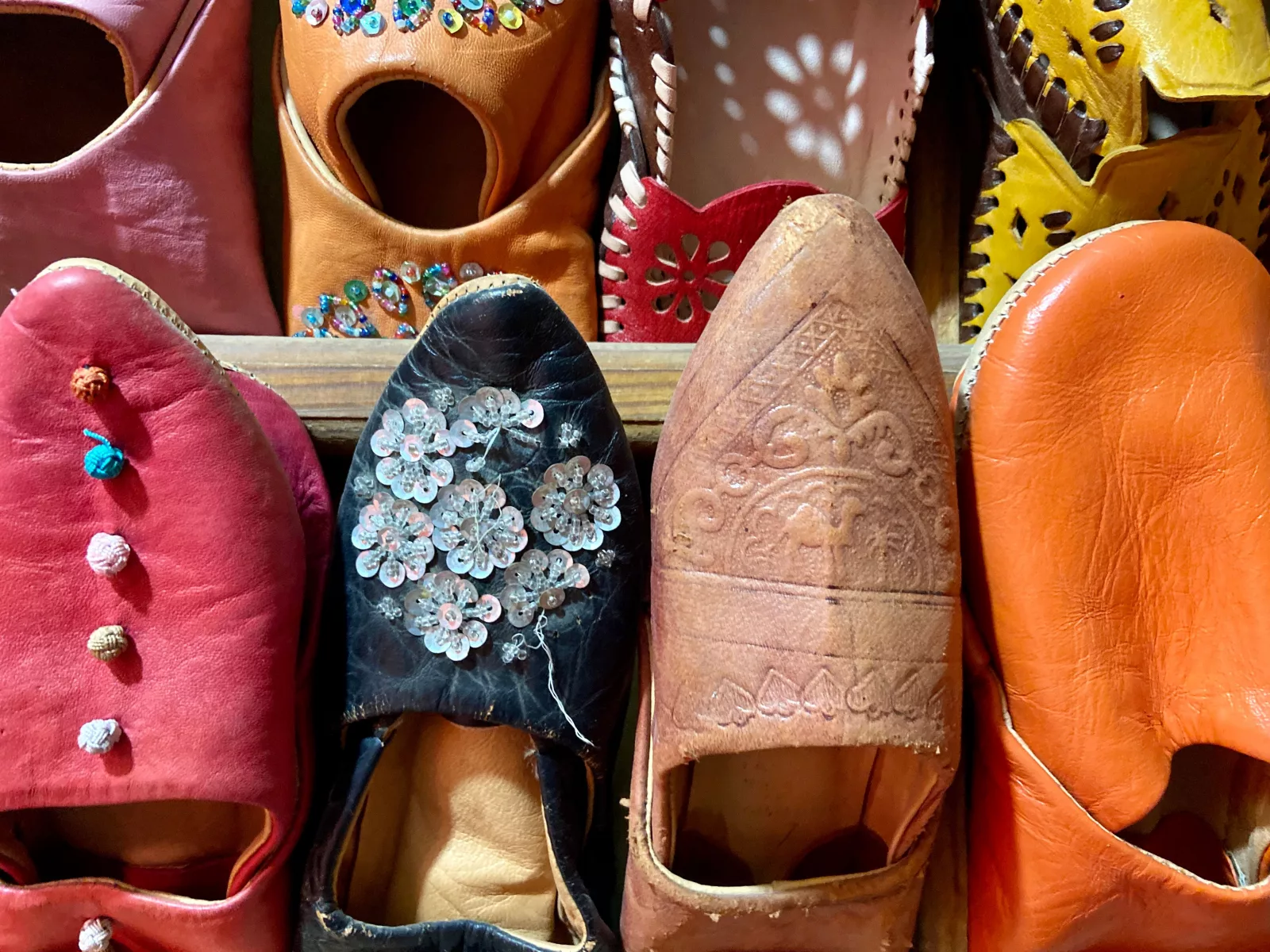
Continue into the souks, where you may find leather goods, spices, ceramics, jewelry, rugs, textiles, traditional clothing, and local crafts. Taroudant is also known for tanneries and craft traditions, giving travelers a more relaxed shopping and cultural experience than larger cities.
For a slower break, stop for mint tea in a garden café or hotel courtyard. Taroudant’s calm rhythm makes it a good place to pause between the desert and the Atlantic coast.
If included in the confirmed route and timing allows, you may also visit places outside Taroudant such as Agadir Tasguent, an old fortress reached by an easy hike, or Palais Claudio Bravo, a former artist’s residence with gardens, interiors, and collections.
The evening is free to relax at your accommodation, enjoy dinner, and prepare for the next day’s journey toward Essaouira and the Atlantic coast.
Overnight in Taroudant.
Day 12
Transfer to Essaouira
Meals: Breakfast
Included: Breakfast at your accommodation, private air-conditioned transport, professional local driver, Taroudant to Essaouira transfer, Agadir coastal route if confirmed, comfort stops along the way, Essaouira arrival transfer, free time in Essaouira, accommodation support
After breakfast in Taroudant, leave the Anti-Atlas and southern inland landscapes behind as you travel toward Morocco’s Atlantic coast. This day brings a clear change of atmosphere, moving from walled towns, kasbah routes, and desert-edge scenery toward ocean air, beaches, fishing ports, and Essaouira’s relaxed coastal rhythm.
The route can pass through Agadir, giving you a glimpse of Morocco’s modern Atlantic coast before continuing north toward Essaouira. Along the way, enjoy views of the ocean, coastal hills, open landscapes, and villages connected to fishing, argan trees, and Atlantic life.
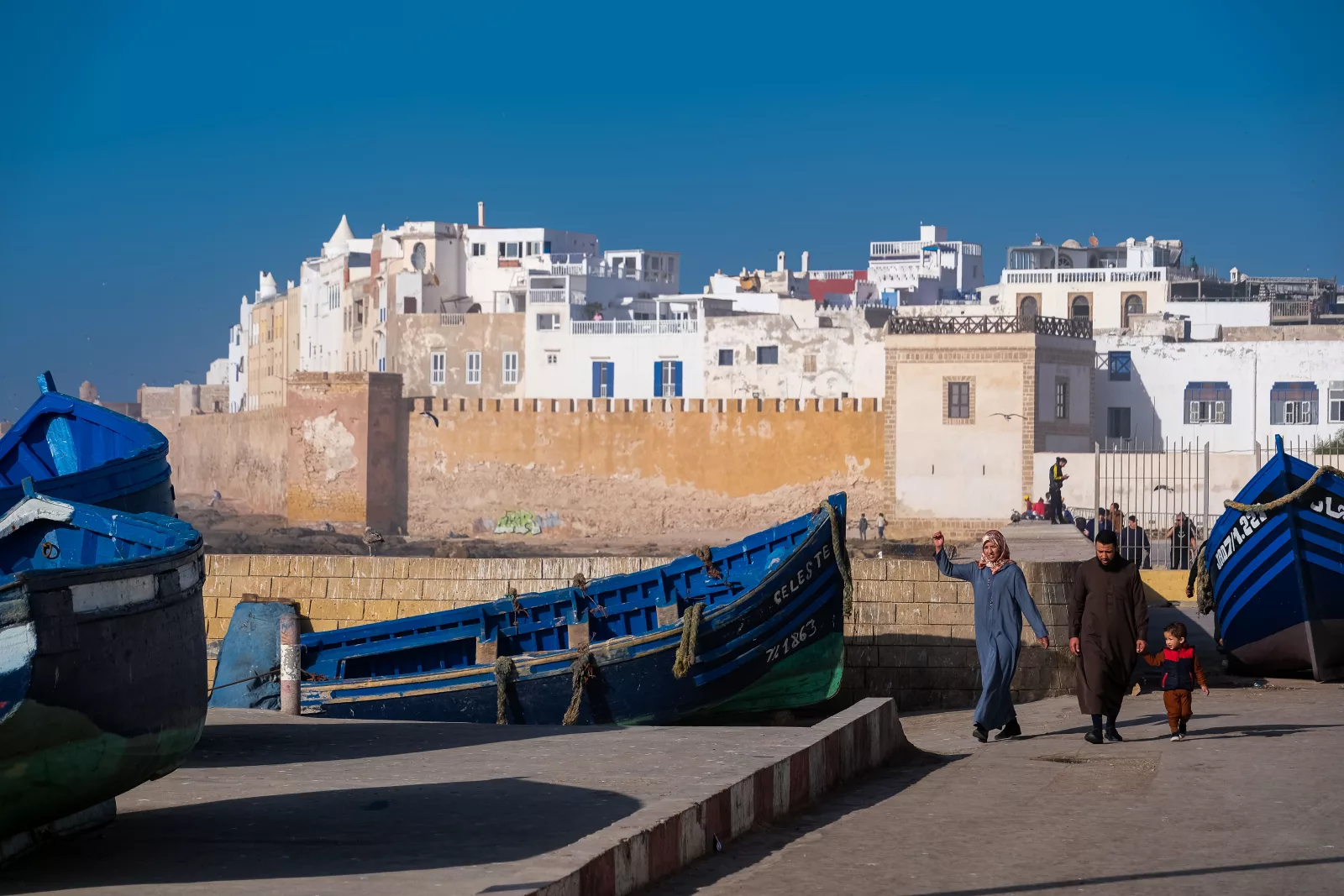
Arrive in Essaouira, often called the White Pearl of Morocco. This seaside town offers a peaceful contrast after the mountains, desert, valleys, and southern towns of the previous days. It is known for its whitewashed medina, blue doors, stone ramparts, fishing harbor, art galleries, fresh seafood, music, and strong ocean breeze.
After check-in, enjoy free time to explore the medina at your own pace. Essaouira’s streets are wider and calmer than Marrakech, making it easy to walk, browse shops, visit artisan stalls, and enjoy the relaxed atmosphere.
You may continue toward Moulay El Hassan Square, the fishing port, the old ramparts, or the beach. The port area is especially lively, with blue wooden boats, fishmongers, seafood stalls, and views across the Atlantic.
If you are interested in history, you can also visit the area around the old Portuguese Castelo Real of Mogador, the mellah, or Synagogue Haïm Pinto if accessible. Essaouira’s Jewish heritage, Atlantic trading history, and artistic identity make it one of Morocco’s most meaningful coastal towns.
The evening is free to enjoy seafood, walk by the ocean, relax at your accommodation, or prepare for the private cooking class the next morning.
Overnight in Essaouira.
Day 13
Private Morning Cooking Class in Essaouira
Meals: Breakfast Lunch if included with the confirmed cooking class
Included: Breakfast at your accommodation, private cooking class if confirmed, local chef or culinary host, tajine preparation, cooking instruction, lunch with prepared dishes if included, mint tea, free afternoon in Essaouira, local support for optional coastal activities
After breakfast in Essaouira, begin a hands-on Moroccan cooking experience in a traditional riad or local kitchen setting. This private morning class is designed to introduce you to the flavors, ingredients, and techniques that make Moroccan cuisine so rich and memorable.
Together with a local chef or culinary host, you can learn how to prepare a traditional tajine, one of Morocco’s most iconic dishes. The recipe may include meat, vegetables, preserved lemons, olives, dried fruits, spices, or seasonal ingredients depending on the confirmed menu.
During the class, discover how Moroccan cooking balances sweet and savory flavors, slow cooking, aromatic spices, fresh herbs, and shared table traditions. Your host can explain the role of the tajine pot, the use of ingredients such as cumin, ginger, saffron, cinnamon, paprika, dates, apricots, and the importance of mint tea in Moroccan hospitality.
After cooking, sit down to enjoy the meal you helped prepare. This is more than a cooking lesson; it is a cultural experience built around food, conversation, local knowledge, and the warm rhythm of Essaouira.
The afternoon is free to continue exploring the city at your own pace. You may return to the medina, walk along the ramparts, visit the fishing port, browse craft shops, relax on the beach, or enjoy a quiet café near Moulay El Hassan Square.
If you want more adventure, optional activities can be arranged depending on weather and availability. These may include quad biking, horseback riding, windsurfing, kitesurfing, or another coastal experience.
The evening is free to enjoy Essaouira’s seafood, music, medina atmosphere, or sunset by the Atlantic before returning to your accommodation.
Overnight in Essaouira.
Day 15
Depart Marrakech
Meals: Breakfast
Included: Breakfast at your accommodation, private airport transfer, professional local driver, luggage assistance, drop-off at Marrakech Menara Airport
After breakfast in Marrakech, prepare for your departure from Morocco. Depending on your flight time, the morning can remain relaxed, with time to rest at your accommodation, enjoy a final mint tea, or take a short walk nearby before leaving for the airport.
If your departure is later in the day, you may have time for a final visit in Marrakech, such as a café near the medina, a short walk around the Koutoubia area, last-minute shopping, or a quiet moment at your riad before your transfer.
Your private driver will meet you at the confirmed time and transfer you to Marrakech Menara Airport. The journey usually takes around 30 minutes, depending on traffic and your accommodation location.
This marks the end of your 15-day South Morocco adventure, from Marrakech to the High Atlas Mountains, Imlil, Aït Benhaddou, Dadès Valley, Merzouga Sahara Desert, Zagora, Ouarzazate, Taroudant, Essaouira, and back to Marrakech.
The tour finishes with a complete experience of southern Morocco: hiking, Berber villages, kasbahs, oases, Sahara dunes, desert music, Draa Valley, Atlantic coast, Moroccan cooking, hammam relaxation, and Marrakech food culture.