Day 1
Arrive in Casablanca
Meals: No meals included unless arranged with your hotel or confirmed package
Included: Casablanca airport pickup, private transfer to hotel, professional local driver, hotel check-in support, free time in Casablanca depending on arrival schedule, overnight arrangement support
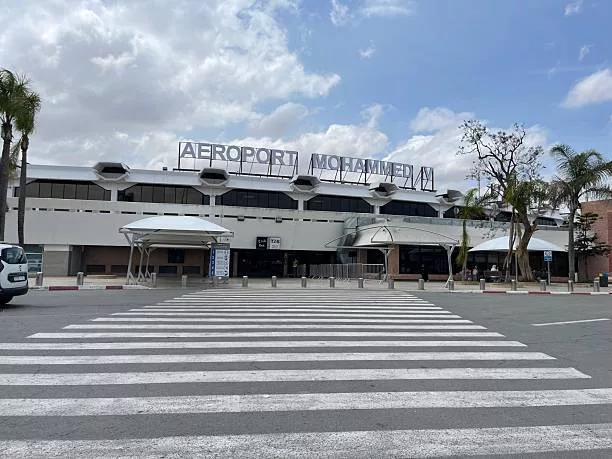
Welcome to Morocco. After arrival at Casablanca Mohammed V International Airport, meet your private driver and transfer to your hotel in Casablanca. This first day is kept flexible so you can rest after your flight, settle into the city, and begin the journey at a comfortable pace.
Depending on your arrival time and energy, you may start with a gentle self-guided walk through Casablanca’s Old Medina, where local shops, narrow streets, and everyday city life offer a first introduction to Morocco’s urban rhythm.
You can also visit the Habbous Quarter, often called the New Medina, which was developed during the French protectorate period. This area combines traditional Moroccan design with colonial-era planning, and it is a pleasant place for crafts, small shops, pastries, books, and relaxed walking.
If you prefer the ocean atmosphere, head toward the Corniche, Casablanca’s Atlantic waterfront. This area offers sea views, cafés, beachside walks, and a modern coastal side of the city.
For travelers interested in Casablanca’s cinematic associations, dinner at Rick’s Café can be arranged independently or added to the evening plan if available. Otherwise, the evening can remain simple with rest at your hotel before the heritage-focused visits begin the next day.
Overnight in Casablanca.
Day 2
Visit the Hassan II Mosque and Museum of Moroccan Judaism
Meals: Breakfast
Included: Breakfast at your accommodation, private air-conditioned transport, professional local driver, Hassan II Mosque visit if available, Museum of Moroccan Judaism visit if open, Temple Beth-El visit if included and accessible, Habbous Quarter stop if timing allows, overnight arrangement support
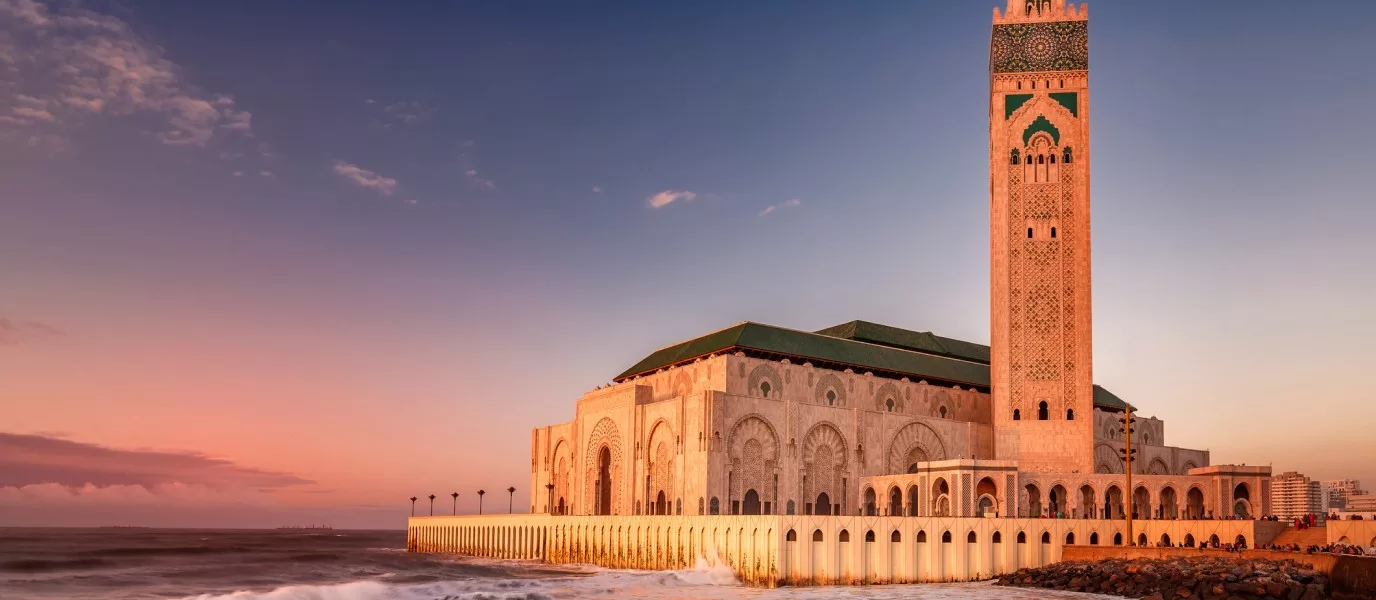
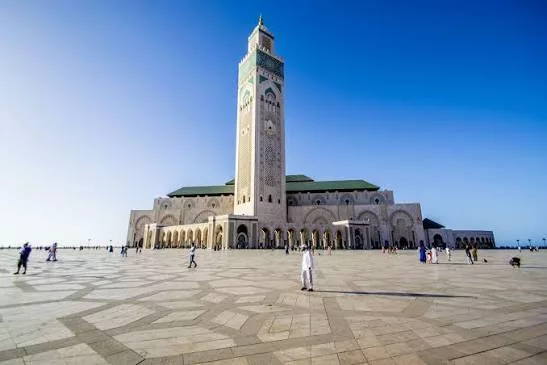
After breakfast in Casablanca, begin the day with one of Morocco’s most impressive landmarks: the Hassan II Mosque. Built beside the Atlantic Ocean, the mosque is known for its monumental architecture, oceanfront position, carved stone, woodwork, marble details, and one of the tallest minarets in the world.
If visits are available on your travel date, you may enter the mosque with an official visit and discover the craftsmanship, scale, and design that make it one of Casablanca’s most important cultural sites. This visit gives a strong introduction to Morocco’s religious architecture and modern national identity.
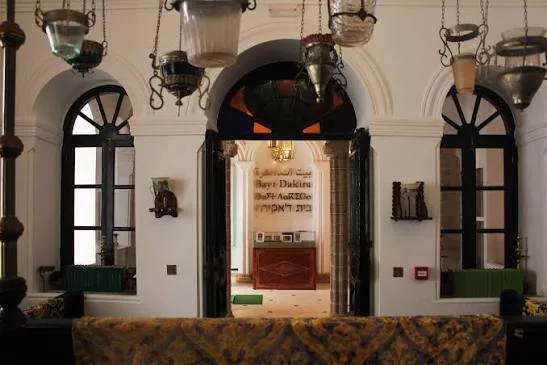
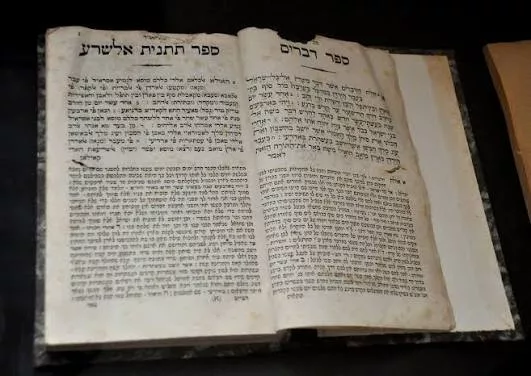
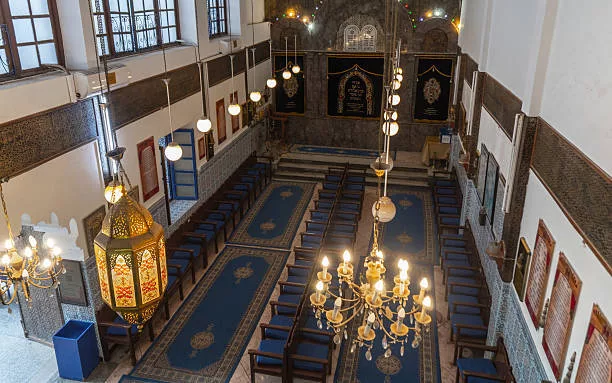
In the afternoon, continue with a visit to the Museum of Moroccan Judaism, one of the most important Jewish heritage institutions in Morocco. The museum presents objects, photographs, manuscripts, clothing, jewelry, synagogue elements, and cultural memory connected to Jewish life across the country.
If included and accessible, the day may also include Temple Beth-El, one of Casablanca’s notable synagogues, known for its interior details and stained-glass atmosphere. This visit adds a living religious and cultural dimension to the city’s Jewish heritage.
Depending on timing, you may return to the Habbous Quarter for a relaxed walk, shopping, pastries, books, or local crafts. The evening is free to rest, enjoy dinner, or prepare for the next day’s journey toward Rabat, Ouazzane, and Chefchaouen.
Overnight in Casablanca.
Day 3
Transfer to Chefchaouen via Rabat and Ouazzane
Meals: Breakfast
Included: Breakfast at your accommodation, private air-conditioned transport, professional local driver, Rabat stop, Hassan Tower visit, Mausoleum of Mohammed V visit, Ouazzane heritage stop if included and accessible, transfer to Chefchaouen, riad or hotel check-in support
After breakfast in Casablanca, begin the journey north toward Rabat, Morocco’s capital city. This stop adds an important political, architectural, and historic layer to the route before continuing toward the Rif Mountains.
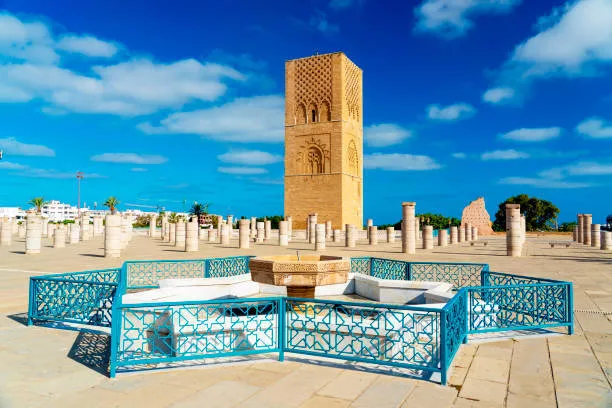
In Rabat, visit the Hassan Tower, the unfinished 12th-century minaret built during the Almohad period. Nearby, you can also see the Mausoleum of Mohammed V, one of Morocco’s most important royal monuments, known for its elegant architecture, ceremonial guards, and symbolic national importance.
Depending on timing, the visit can also include a short walk near the Kasbah of the Oudayas or Rabat’s old medina, giving travelers a calm introduction to the capital’s Atlantic atmosphere and historic character.
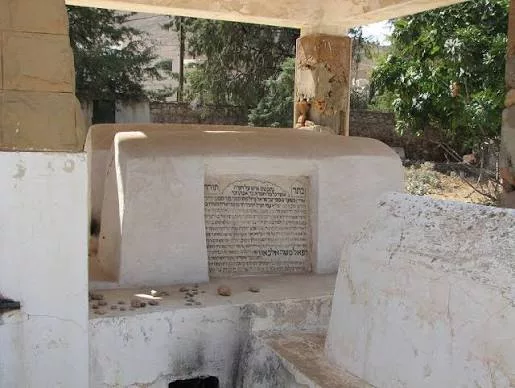
Continue toward Ouazzane, a town with deep spiritual importance for many Moroccan Jews. The area is especially known for its connection to Rabbi Amram ben Diwan, whose tomb has long been a place of pilgrimage and memory. If included and accessible, this stop offers a meaningful moment within the Jewish heritage focus of the itinerary.
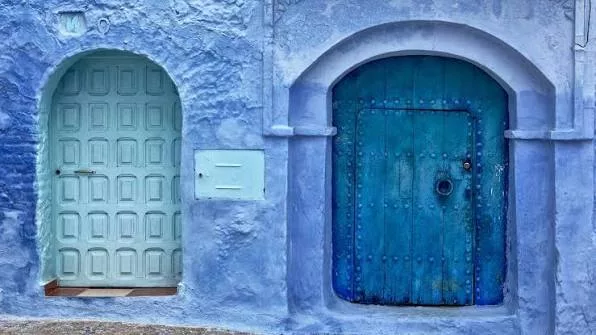
After Ouazzane, continue through northern Morocco toward Chefchaouen, the famous Blue City set in the Rif Mountains. On arrival, check into your riad or guesthouse and enjoy free time to explore the town at your own pace.
Chefchaouen is known for blue-painted streets, peaceful alleys, mountain views, local crafts, woven goods, cedarwood items, and the relaxed atmosphere of Place Outa el-Hammam. The evening is free to walk, take photos, enjoy dinner, or simply settle into the mountain rhythm of the town.
Overnight in Chefchaouen.
Day 4
Explore Moulay Idriss, Volubilis and Meknes on the Way to Fes
Meals: Breakfast
Included: Breakfast at your accommodation, private air-conditioned transport, professional local driver, Volubilis visit, Moulay Idriss passage or viewpoint if timing allows, Meknes stop, transfer to Fes, riad or hotel check-in support
After breakfast in Chefchaouen, enjoy a final morning in the Blue City before leaving the Rif Mountains and traveling south toward Fes, one of Morocco’s most important imperial cities.
If you wake early, you may take a short walk through Chefchaouen’s quiet blue streets or visit the Spanish Mosque viewpoint for a final look over the town and surrounding mountains before departure.
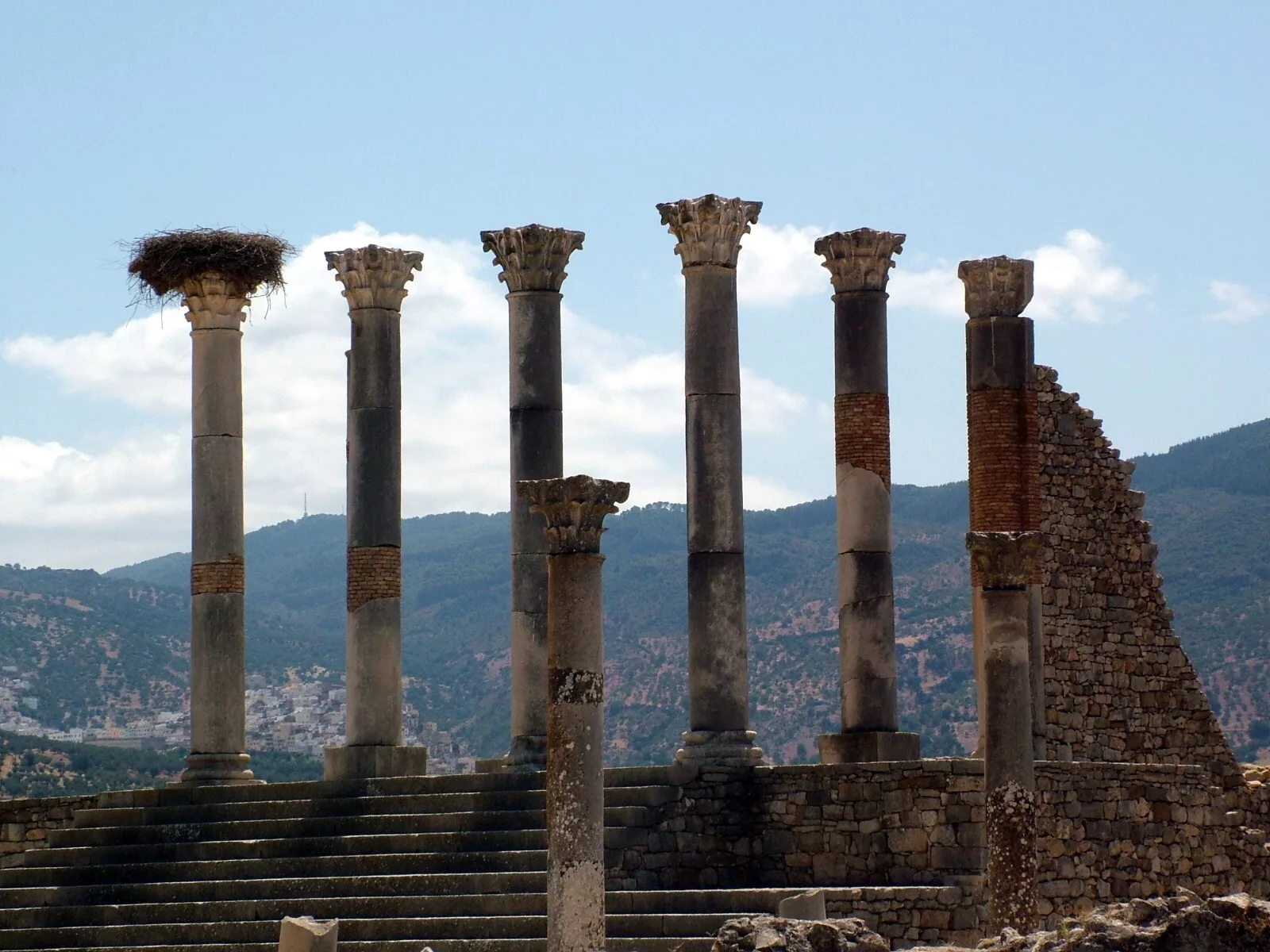
Continue toward Volubilis, a UNESCO World Heritage Site and Morocco’s best-preserved Roman archaeological site. Here, you can walk among ancient streets, columns, temples, arches, merchant houses, heating systems, and detailed mosaics that still show the depth of Roman-era life in North Africa.
After Volubilis, pass near Moulay Idriss, a hillside town with deep spiritual and historical importance in Morocco. Known as one of the country’s early Islamic centers, it adds another layer of cultural meaning to the route between Roman ruins and imperial cities.
Continue to Meknes, one of Morocco’s four imperial cities. Depending on timing and opening conditions, you may explore parts of the Ville Impériale, see Bab Mansour, walk near the old walls, visit historic gates, and discover the calmer rhythm of Meknes compared with Fes or Marrakech.
By late afternoon or early evening, arrive in Fes and check into your riad in or near the old medina. The evening is free to rest, enjoy dinner, or take a first gentle walk around your accommodation before the guided Jewish heritage and medina visit the next day.
Overnight in Fes.
Day 5
Wander through Fes’ Jewish Quarter and Medina
Meals: Breakfast
Included: Breakfast at your accommodation, local guide in Fes if included, Fes medina visit, mellah visit, Jewish cemetery visit if accessible, artisan workshops, tannery or mosaic workshop visit, cultural orientation, free evening, overnight arrangement support
After breakfast, meet your local guide and begin a deeper exploration of Fes, one of Morocco’s most historic imperial cities and an important center of Jewish and Moroccan cultural memory.
Start with the old medina, a UNESCO-listed maze of narrow lanes, traditional shops, food stalls, fountains, mosques, madrasas, caravanserais, and artisan quarters. With your guide, you can understand the structure of the medina and the stories behind its neighborhoods, crafts, and daily life.
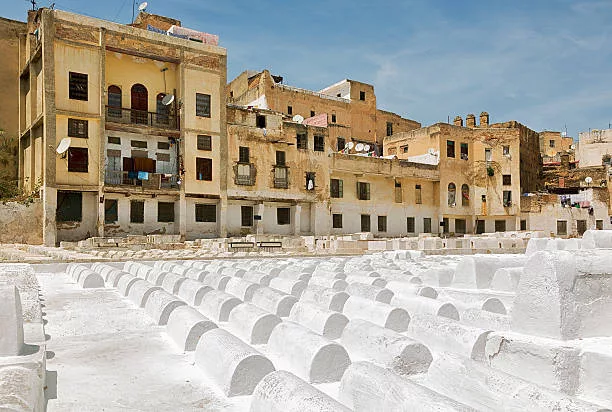
The visit includes the mellah, the old Jewish quarter of Fes, where the architecture, balconies, streets, and neighborhood layout reflect an important chapter of Moroccan Jewish history. This part of the city offers meaningful context about coexistence, community life, migration, memory, and the role Jewish families played in Moroccan trade, craftsmanship, and urban culture.
If included and accessible, visit the Jewish cemetery, where important figures connected to Moroccan Jewish heritage are buried. Your guide can explain the significance of the site with respect and care, while allowing quiet time for reflection.
In the afternoon, continue into the artisan side of Fes. Visit traditional craft areas such as tanneries, mosaic workshops, metalwork areas, or other local studios depending on timing. These visits show how Fes remains a living city of craftsmanship, where skills are passed from generation to generation.
You may see leather workers, ceramic makers, zellige artisans, textile sellers, or metalworkers at work. This adds a broader cultural dimension to the day, connecting Jewish heritage with the wider medina economy and the traditional crafts that shaped Fes for centuries.
After the visit, return to your riad for rest. The evening is free to relax, enjoy dinner, or walk again through nearby medina streets at your own pace.
Overnight in Fes.
Day 6
Day Trip to Sefrou: Jewish Heritage and Artisan Craft Center
Meals: Breakfast Lunch if included in the confirmed local experience
Included: Breakfast at your accommodation, private air-conditioned transport, professional local driver, local guide if included, Sefrou day trip, Jewish heritage orientation, old town visit, Craft Center visit if included, local family lunch if confirmed, return transfer to Fes, overnight arrangement support
After breakfast in Fes, meet your guide and travel southeast toward Sefrou, a historic walled town set near the slopes of the Middle Atlas Mountains. Located about 29 kilometers from Fes, Sefrou has long been connected to trade routes, local markets, mountain culture, and Morocco’s Jewish heritage.
Sefrou was once an important meeting point between different communities, including Muslim, Jewish, Amazigh, Arab, and caravan trading cultures. Before many Moroccan Jews left the country during the mid-20th century, Sefrou had a significant Jewish population, making it one of the most meaningful heritage stops near Fes.
During the visit, explore the old town area with your guide and learn about Sefrou’s layered history, including its role as a market town, caravan stop, artisan center, and place of coexistence. The visit can include the former Jewish quarter, local streets, traditional markets, and heritage areas depending on accessibility and timing.
Continue to the Craft Center of Sefrou if included, where local artisans work with wood, ceramics, woven rugs, textiles, and traditional handmade details. This visit adds a living cultural dimension to the day, showing how craft traditions remain part of local identity.
Depending on the confirmed package, lunch can be arranged in Sefrou or with a local family experience if available. This should be confirmed before the tour, especially if travelers want a deeper cultural meal experience.
After the visit, return to Fes for a free evening. You can relax at your riad, enjoy dinner, or spend more time in the medina before the journey continues toward the Atlas Mountains the next day.
Overnight in Fes.
Day 7
Travel to the Atlas Mountains
Meals: Breakfast
Included: Breakfast at your accommodation, private air-conditioned transport, professional local driver, free morning in Fes, Middle Atlas route, Ifrane National Park stop if timing allows, cedar forest visit, Azrou arrival transfer, hotel or guesthouse check-in support
After breakfast in Fes, enjoy a relaxed morning before leaving the city and heading toward the Middle Atlas Mountains. Depending on your interests and timing, you may use the morning to explore more of Fes’ medina, visit additional historic sites, or do some final shopping before continuing the journey south.
Possible morning visits can include Bou Inania Madrasa, the Royal Palace gates, local craft shops, food markets, or selected medina streets that were not fully explored the previous day. This gives you a final moment with Fes before the scenery changes from imperial city life to mountain landscapes.
After lunch or in the early afternoon, leave Fes and drive toward the Middle Atlas region. About an hour after departure, the route begins to rise toward cedar forests, cooler air, mountain towns, and natural scenery.
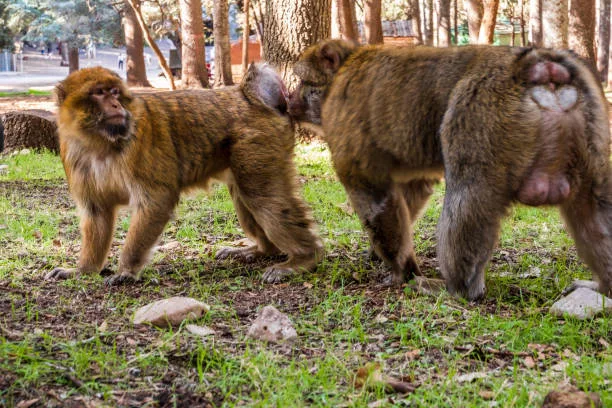
Continue through Ifrane National Park, known for its cedar trees and Barbary macaque monkeys. If timing allows, stop for a short walk or photo break in the forest, where you may see the monkeys and enjoy the peaceful mountain atmosphere.
The journey continues toward Azrou, an Amazigh mountain town known for local crafts, rugs, jewelry, woodwork, and its position between forested hills and Middle Atlas landscapes. After arrival, check into your accommodation and enjoy a quiet evening.
This day creates a gentle transition between Fes’ historic medina and the long journey toward the Sahara Desert, giving travelers time to rest in the mountains before crossing toward Midelt, the Ziz Valley, Erfoud, and Merzouga the next day.
Overnight in Azrou.
Day 8
Over the Middle Atlas to the Desert: Erfoud, Merzouga and the Sahara
Meals: Breakfast Dinner if included at the desert camp
Included: Breakfast at your accommodation, private air-conditioned transport, professional local driver, Middle Atlas route, Midelt stop if timing allows, Ziz Valley route, Erfoud fossil stop if included, Merzouga arrival transfer, camel ride or 4x4 desert transfer if confirmed, Sahara desert camp arrangement support
After breakfast in Azrou, begin an early departure toward southern Morocco and the Sahara Desert. This is one of the most scenic transition days of the itinerary, moving from Middle Atlas mountain landscapes into valleys, palm oases, fossil towns, and the golden dunes of Erg Chebbi.
Travel through changing scenery as the route passes mountain roads, cedar forest areas, open plateaus, and small towns. Continue toward Midelt, often known for apple production and its position between the Middle Atlas and the desert routes of southeastern Morocco.
From Midelt, the road continues through dramatic landscapes toward the Ziz Valley, one of Morocco’s most impressive oasis regions. Along the way, you may pass the Tizi n’Talremt area, river valleys, palm groves, desert-edge towns, and viewpoints over the long green ribbon of the Ziz palms.
Depending on timing, lunch can be arranged around Errachidia or another suitable stop along the route. If included and accessible, the day may also include a short visit connected to local spring heritage around Lalla Mimouna, a name linked in Moroccan memory to both Muslim and Jewish traditions.
Continue toward Erfoud, a desert town known for dates, fossils, and artisan fossil workshops. If timing allows, stop to see how fossil stone is cut, polished, and transformed into tables, decorative pieces, and local craft products.
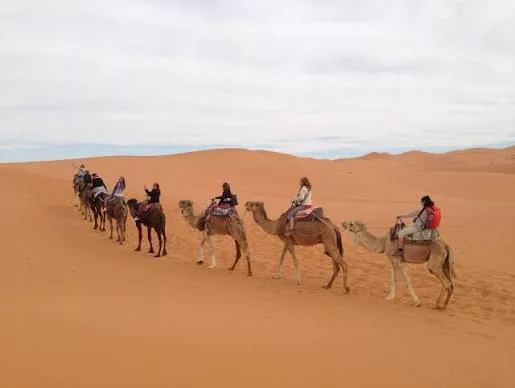
By late afternoon, reach the Merzouga area, where the Erg Chebbi dunes rise from the desert landscape. From here, transfer toward the desert camp by camel ride or 4x4 vehicle depending on the confirmed package and traveler preference.
Arrive near the dunes in time to enjoy sunset if conditions allow. The evening includes dinner at camp if confirmed, time by the fire, local music, and a night beneath the desert sky.
Overnight in a Sahara desert camp near Erg Chebbi.
Day 9
The Edge of the Sahara and Fossil Workshops
Meals: Breakfast
Included: Breakfast at the desert camp, camel ride or 4x4 return transfer if confirmed, private air-conditioned transport, professional local driver, Rissani stop if timing allows, Tinghir stop if included, Dades route, fossil workshop stop if confirmed, arrival transfer to Ouarzazate, hotel check-in support
Wake up early to watch sunrise over the Erg Chebbi dunes, one of the most memorable moments of the Sahara experience. After breakfast at camp, return from the desert area to meet your driver and begin the long scenic journey toward Ouarzazate.
Before leaving the desert region, you may stop in Rissani, a historic market town near Merzouga. If your visit falls on a market day, Rissani offers a lively view of local trade, traditional stalls, animals, spices, dates, and desert-region daily life.
Continue across the desert-edge landscapes, where wide plains, rocky plateaus, palm valleys, and mountain views show the transition between the Sahara and southern Morocco’s oasis regions. This is a long road day, but it adds an important visual chapter to the journey.
Depending on timing, the route can include a stop in Tinghir, a town with Amazigh heritage and a historically significant Jewish community. A short walk through the old quarter can offer context about the region’s layered past, local architecture, and oasis life.
Continue toward the Dades region, known for dramatic rock formations, red and mauve-colored mountains, palm groves, kasbahs, and canyon scenery. Lunch can be arranged around Boumalne Dades or another suitable stop along the route.
If included, the day may also include a stop connected to fossil workshops or local stone craft, reflecting the geology of southeastern Morocco and the region’s long natural history.
By late afternoon or early evening, arrive in Ouarzazate, often called the gateway between the desert, the High Atlas, and Marrakech. After check-in, the evening is free to rest after the desert crossing and prepare for the next day’s journey to Aït Benhaddou and Marrakech.
Overnight in Ouarzazate.
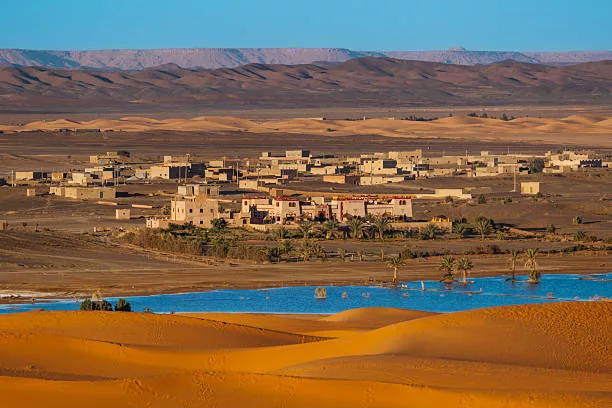
Day 10
Over the High Atlas to Marrakech via Aït Benhaddou
Meals: Breakfast
Included: Breakfast at your accommodation, private air-conditioned transport, professional local driver, Aït Benhaddou visit, High Atlas Mountain crossing, Tizi n’Tichka route, comfort stops along the way, arrival transfer to Marrakech, riad or hotel check-in support
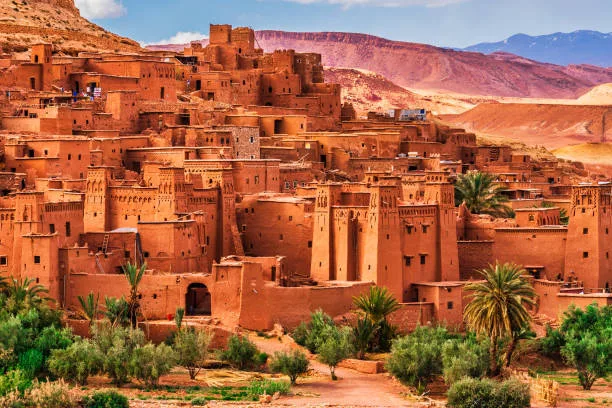
After breakfast in Ouarzazate, begin the journey toward Marrakech with a visit to Aït Benhaddou, one of Morocco’s most famous fortified ksars and a UNESCO World Heritage Site.
Aït Benhaddou is known for its earthen architecture, old kasbah-style buildings, defensive towers, narrow passages, and dramatic position along the former caravan routes between the Sahara, Ouarzazate, and Marrakech. Walking through the site gives travelers a strong sense of southern Morocco’s historic trade routes and traditional building techniques.
Depending on timing and local conditions, you may explore the ksar with a local guide or enjoy a slower self-guided walk through its lanes, viewpoints, and surrounding landscape. The site is especially photogenic, with its clay-colored buildings rising above the riverbed and desert-edge scenery.
After the visit, continue toward the High Atlas Mountains. The road climbs through dry slopes, mountain villages, valleys, and wide viewpoints before reaching the Tizi n’Tichka Pass, one of Morocco’s most scenic mountain crossings.
This route marks the transition from southern Morocco’s desert and kasbah landscapes into the greener valleys and busy energy of Marrakech. Stops can be made along the way for photos, coffee, lunch, or short breaks depending on the pace of the journey.
Arrive in Marrakech by late afternoon and check into your riad or hotel. The rest of the day is free to relax after the mountain crossing.
In the evening, you may visit Jemaa el-Fna, Marrakech’s famous main square, where food stalls, musicians, storytellers, cafés, and evening movement create one of Morocco’s most memorable city atmospheres.
Overnight in Marrakech.
Day 11
Medina and City Tour and Hammam in Marrakech
Meals: Breakfast
Included: Breakfast at your accommodation, local guide in Marrakech if included, medina visit, souks, El Badi Palace area if included, Jewish Cemetery visit if accessible, Saadian Tombs if included, hammam experience if confirmed, free evening in Marrakech, overnight arrangement support
After breakfast, meet your local guide and begin a guided visit of Marrakech, one of Morocco’s most vibrant imperial cities. Known as the Red City, Marrakech combines historic medina life, colorful souks, royal architecture, Jewish heritage, gardens, food culture, and the famous atmosphere of Jemaa el-Fna.
Start inside the old medina, a UNESCO-listed area filled with narrow streets, traditional shops, spice stalls, lanterns, carpets, leather goods, metalwork, textiles, and daily local life. Your guide helps you understand the structure of the medina, the history of its neighborhoods, and the rhythm of Marrakech’s artisan and commercial culture.
Continue toward important historic landmarks depending on the confirmed route and opening times. The visit may include El Badi Palace, a powerful ruin connected to Marrakech’s royal past and to the history of the city’s mellah area. This part of the visit adds context to the role Jewish communities played in Marrakech’s social, commercial, and urban life.
If included and accessible, continue to the Jewish Cemetery of Marrakech for a respectful heritage visit. The route may also include the Saadian Tombs, a major historic site known for its architecture, decorative details, and connection to the city’s dynastic past.
The tour can also include time in the souks, where travelers can see Marrakech’s craft traditions, from spices and textiles to metalwork, wood, leather, and natural products. Depending on timing, lunch can be arranged in a local restaurant.
Later in the day, enjoy a traditional Moroccan hammam experience if included in the confirmed package. This can include a steam bath, scrub, and optional massage or spa treatment using local products such as argan oil or black soap.
In the evening, you may return to Jemaa el-Fna for street food, music, cafés, and the lively atmosphere that makes Marrakech one of Morocco’s most memorable cities.
Overnight in Marrakech.
Day 12
Argan Oil and Seafood in Essaouira
Meals: Breakfast
Included: Breakfast at your accommodation, private air-conditioned transport, professional local driver, Marrakech to Essaouira transfer, argan cooperative stop if included, Essaouira arrival transfer, medina free time, harbor visit if timing allows, hotel or riad check-in support
After breakfast in Marrakech, leave the Red City and travel west toward Essaouira on Morocco’s Atlantic coast. This route gradually changes from inland landscapes to open coastal air, argan tree countryside, and the relaxed rhythm of one of Morocco’s most atmospheric seaside towns.
On the way, you may pass through the argan tree region, one of the only places in the world where these trees grow naturally. If included in the confirmed package, stop at a women’s argan oil cooperative to learn how argan oil is produced using traditional methods and how it is used for cooking, cosmetics, and local products.
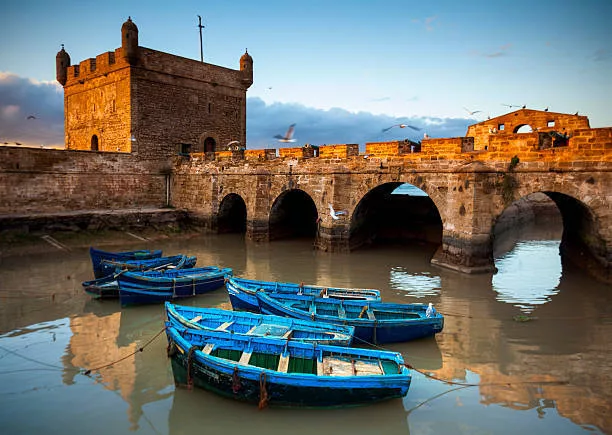
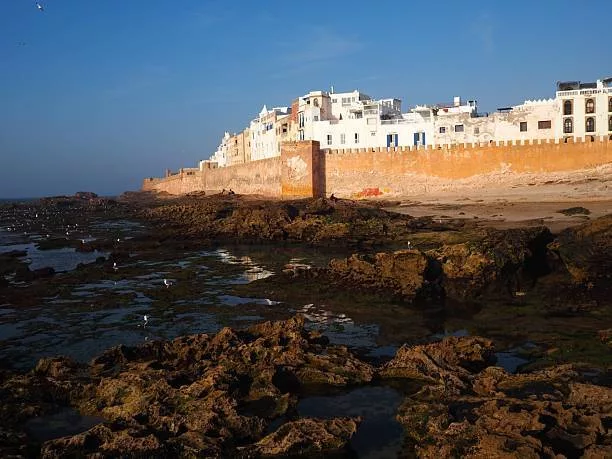
As you approach Essaouira, the atmosphere becomes softer and more oceanic. Known for its whitewashed houses, blue doors, stone ramparts, fishing port, beaches, music, seafood, and UNESCO-listed medina, Essaouira offers a strong contrast to Marrakech.
After arrival, check into your riad or hotel and begin exploring at a relaxed pace. You may walk along the medina walls, visit the fishing harbor, browse small craft shops, or enjoy the coastal breeze near the beach.
Essaouira also has deep Jewish heritage and one of Morocco’s most important historic mellahs. The city was once home to a significant Jewish community and remains a powerful place to understand Morocco’s story of coexistence, trade, music, Atlantic identity, and shared cultural memory.
For lunch or dinner, enjoy Essaouira’s fresh seafood if you wish. Local fish, sardines, grilled seafood, and simple harbor restaurants are part of the city’s identity and make this day feel strongly connected to the Atlantic.
The evening is free to relax, walk through the medina, listen to live music, enjoy a sea-view café, or prepare for the deeper Jewish heritage tour of Essaouira the next day.
Overnight in Essaouira.
Day 13
Jewish Heritage Tour of Essaouira
Included: Breakfast at your accommodation, local guide in Essaouira if included, fishing harbor visit, medina walk, mellah visit, Bayt Dakira visit if open and included, Jewish heritage orientation, free afternoon, overnight arrangement support
After breakfast in Essaouira, meet your local guide and begin a deeper heritage visit through one of Morocco’s most meaningful Atlantic coastal cities. Essaouira has long been known for its medina, fishing harbor, music, maritime trade, and important Jewish history.
Start near the fishing harbor, where the city’s connection to the Atlantic is still visible every day. Fishermen bring in fresh catches, blue boats fill the port, and the sea air gives Essaouira its relaxed coastal rhythm. This area helps explain the city’s historic role as a trading port and meeting point between cultures.
Continue into the medina and old Jewish quarter, where Essaouira’s heritage reflects a long history of coexistence, commerce, craftsmanship, and Atlantic identity. The city was once home to a large Jewish community, and its mellah remains one of the most important places in Morocco for understanding Jewish life on the coast.
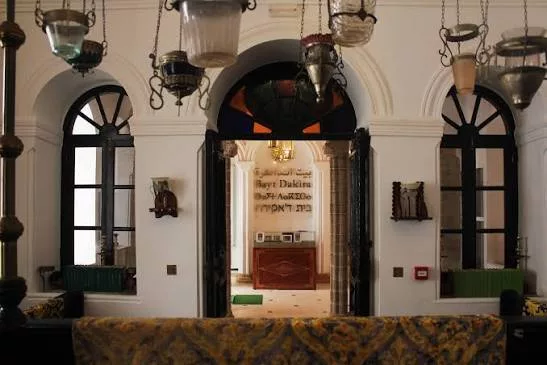
If included and open, visit Bayt Dakira, a Jewish cultural center with a museum, synagogue, and research space dedicated to preserving Essaouira’s Jewish memory. This is one of the strongest heritage visits in the itinerary and offers a thoughtful look at community life, spiritual memory, and Morocco’s shared cultural history.
Depending on accessibility and the confirmed route, the visit may also include Jewish heritage streets, former synagogues, local landmarks, and areas connected to Essaouira’s trading families, musicians, artisans, and coastal communities.
After the guided visit, enjoy free time for lunch near the harbor or inside the medina. Essaouira is known for fresh seafood, grilled fish, sardines, cafés, and a slower pace than Marrakech or Fes.
The afternoon is free to continue exploring the medina, walk along the ramparts, visit craft shops, relax by the beach, or enjoy live music in one of the city’s small venues. The evening is at leisure.
Overnight in Essaouira.
Day 14
See Morocco’s Atlantic Coast and Portuguese Ports, Evening in Casablanca
Meals: Breakfast
Included: Breakfast at your accommodation, private air-conditioned transport, professional local driver, Essaouira to Casablanca coastal route, Safi stop if timing allows, El Jadida visit if included, Portuguese Cistern visit if open and confirmed, Azemmour stop if timing allows, Casablanca hotel check-in support
After breakfast in Essaouira, leave the city and begin the coastal return toward Casablanca. This day follows Morocco’s Atlantic coast, adding Portuguese port history, ocean landscapes, old ramparts, artistic towns, and a final evening in Casablanca.
The first possible stop is Safi, a coastal city known for its Atlantic views, cliffs, pottery traditions, fishing culture, and surfing beaches. Depending on timing, you may stop for photos, a short walk, or a simple coastal visit before continuing north.
Continue to El Jadida, one of Morocco’s most important Atlantic towns with Portuguese heritage. If included and open, visit the historic Portuguese Cistern, known for its stone arches, underground atmosphere, and reflected light. You may also walk along the ramparts, explore the old Portuguese city area, and see landmarks such as the Church of the Assumption from the outside if accessible.
Lunch can be arranged in El Jadida or another coastal stop depending on timing and traveler preference. The route then continues toward Azemmour, a smaller town set near the Oum Er-Rbia River and the Atlantic coast.
Azemmour has inspired Moroccan artists and still carries a traditional atmosphere through its old medina, river views, crumbling walls, painted streets, and quiet local rhythm. If timing allows, stop for a short walk before completing the final drive to Casablanca.
Arrive in Casablanca by late afternoon or early evening and check into your hotel. The evening is free for a final dinner, a relaxed walk, or rest before the departure day.
Overnight in Casablanca.
Day 15
Depart Casablanca
Meals: Breakfast
Included: Breakfast at your accommodation, private airport transfer, professional local driver, luggage assistance, drop-off at Casablanca Mohammed V International Airport
After breakfast in Casablanca, prepare for your departure from Morocco. Depending on your flight time, the morning can remain relaxed with time to rest at the hotel, enjoy a final coffee, or take a short walk nearby before leaving for the airport.
Your private driver will meet you at the confirmed time and transfer you to Casablanca Mohammed V International Airport. The pickup time should be planned with enough margin for traffic, luggage handling, check-in, and airport formalities.
This final transfer marks the end of your 15-day Jewish Heritage and Historic Morocco journey, from Casablanca’s Jewish heritage landmarks to Rabat, Ouazzane, Chefchaouen, Fes, Sefrou, the Middle Atlas, Merzouga Sahara Desert, Ouarzazate, Aït Benhaddou, Marrakech, Essaouira, Safi, El Jadida, Azemmour, and back to Casablanca.
The tour ends with a complete experience of Morocco’s Jewish heritage, imperial cities, medinas, Roman ruins, mountain landscapes, Sahara Desert, Atlantic ports, and living cultural memory.