January: Clear Skies and Quiet Southern Journeys
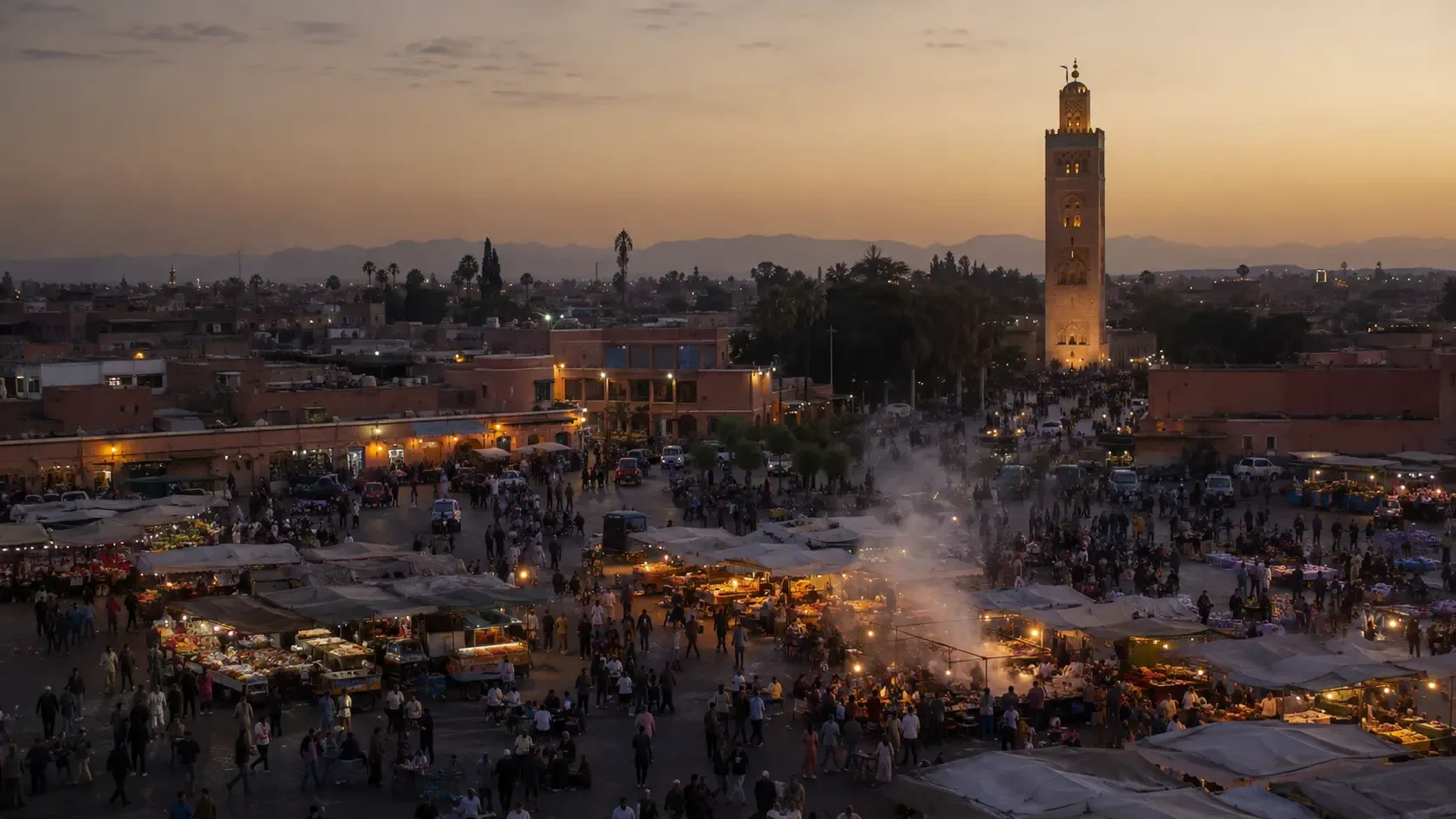
January is one of Morocco's quietest travel months. Marrakech, Ouarzazate and the southern valleys often enjoy bright, mild afternoons, although mornings and evenings feel cold. The Sahara is especially atmospheric, with clear horizons and excellent visibility.
Pack warm layers for desert camps and mountain towns. Snow can affect high Atlas routes, while coastal cities such as Essaouira remain cool and breezy. January suits travelers who value calm streets, softer prices and uncrowded cultural sites.
February: Early Blossoms and Comfortable Desert Days
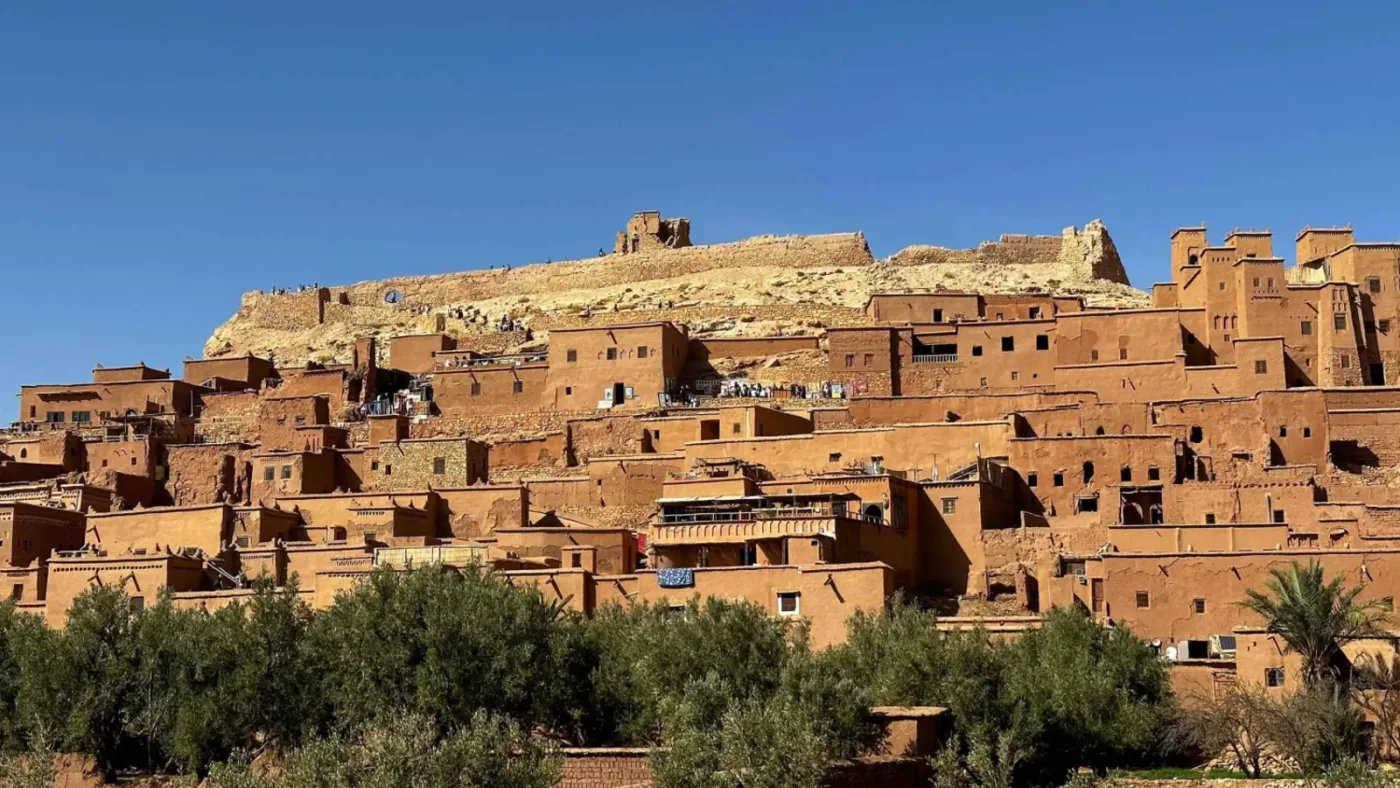
February remains cool but begins to hint at spring, particularly in southern valleys where almond trees may bloom. Daytime conditions are comfortable for exploring medinas and kasbahs, while nights still require a warm jacket.
This is a rewarding month for Sahara travel because walking and camel excursions are easier than during hot periods. Rain is possible in northern Morocco, and snow may remain on higher mountain passes.
March: Spring Begins Across Morocco
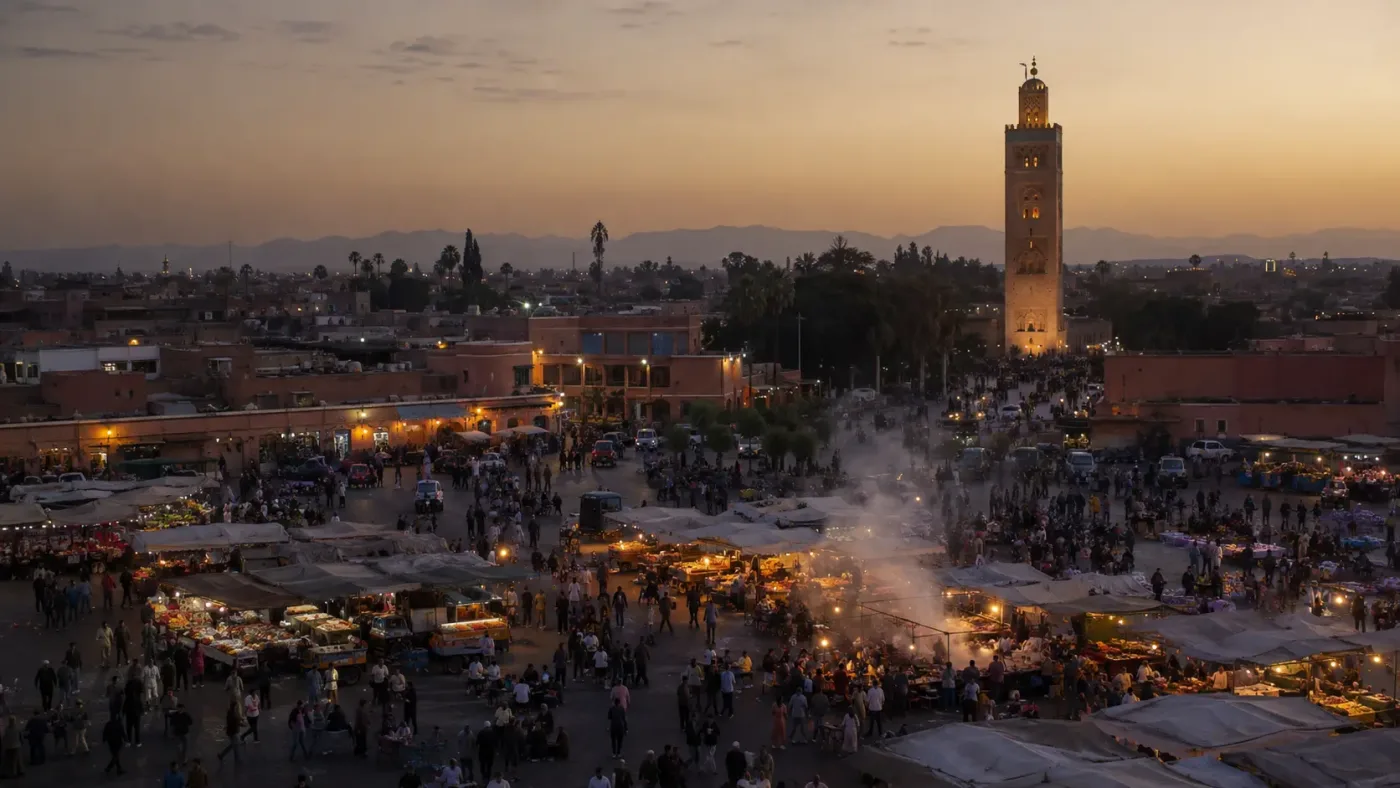
March is one of the best months for a varied Morocco itinerary. Temperatures become warmer without reaching summer intensity, valleys turn greener and wildflowers appear in many rural areas. Marrakech, Fes and Rabat are comfortable for long days of sightseeing.
The desert remains pleasant, though occasional winds can carry sand. Mountain trekking becomes more accessible at lower elevations, while the highest Atlas trails may still hold snow.
April: Excellent Weather for Cities, Valleys and Hiking
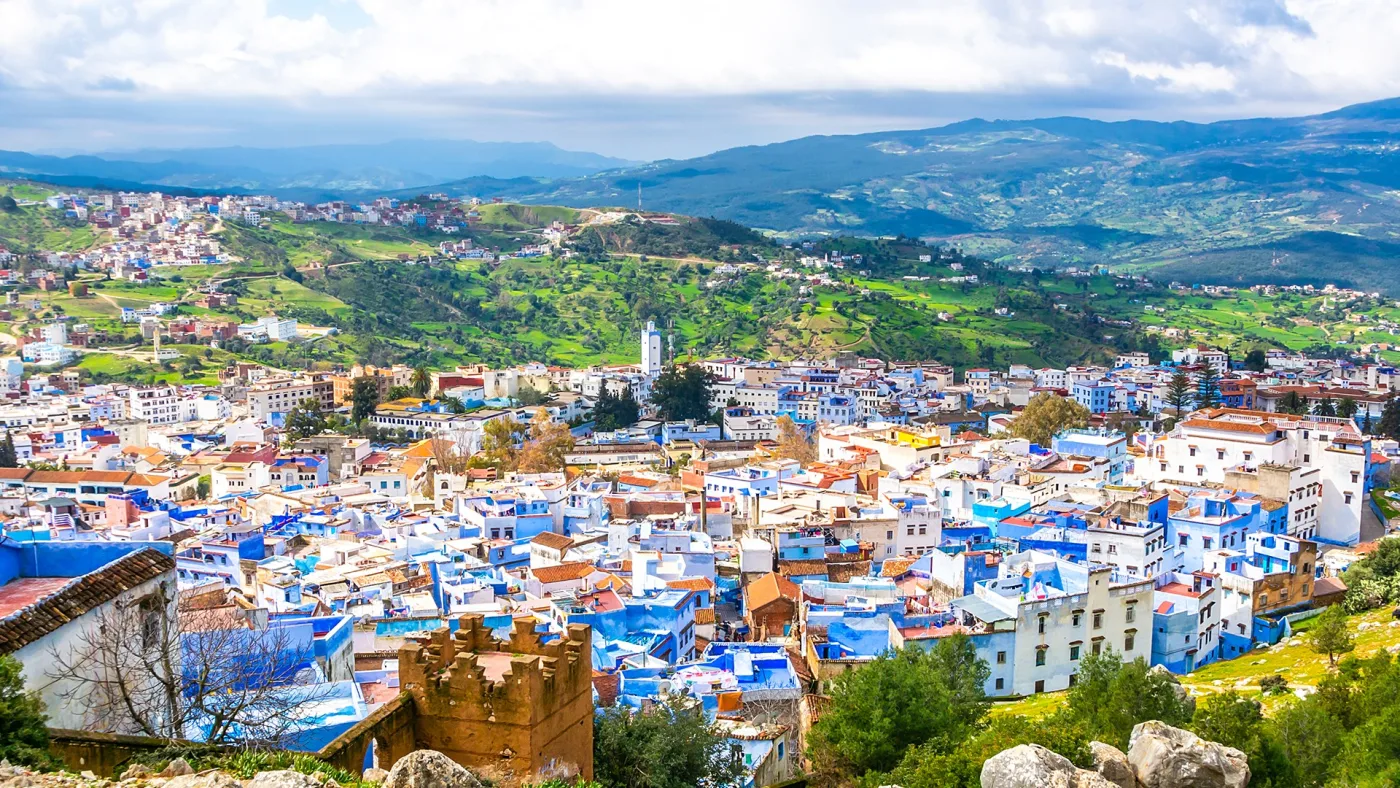
April combines warm days, fresh landscapes and generally comfortable travel conditions. It is an excellent time for imperial city tours, road trips through the Dades and Draa valleys, and hikes in accessible parts of the Atlas Mountains.
Because spring is popular, well-located riads and desert camps can fill quickly. Holiday dates also affect local travel patterns, so booking early gives you better choices.
May: Warm Days Before the Summer Heat
May is warm, sunny and highly versatile. Northern cities, Atlantic towns and mountain valleys are usually inviting, while the Sahara becomes noticeably hotter in the afternoon. Early starts are useful for desert activities and inland walking tours.
This month is ideal for travelers seeking a balance between spring scenery and dependable sunshine. Light clothing works during the day, but a layer remains useful for mountain and coastal evenings.
June: Summer Starts, with Better Weather on the Coast
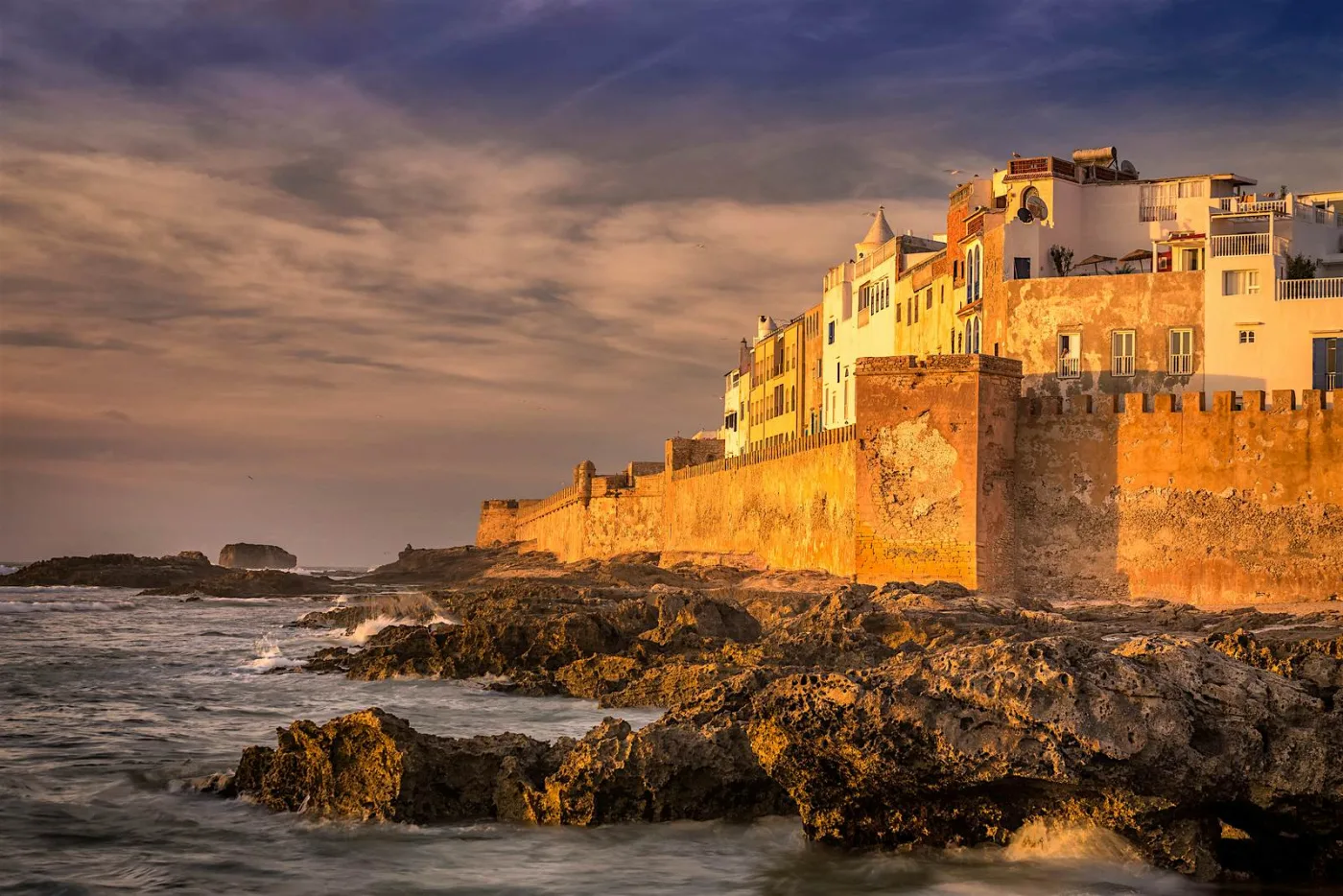
June marks the beginning of summer. Inland destinations become hot, especially toward the end of the month, but the Atlantic coast stays cooler. Essaouira, Agadir and nearby beaches offer refreshing sea breezes and relaxed evenings.
Mountain travel remains possible with sensible timing and sun protection. For desert routes, plan outdoor activities early in the morning and later in the afternoon rather than during peak heat.
July: Choose the Atlantic Coast and High Mountains
July is very hot in Marrakech, Fes and the Sahara, where midday temperatures can make active sightseeing tiring. The Atlantic coast is the strongest choice, particularly Essaouira, whose winds and ocean influence keep conditions more comfortable.
Higher Atlas villages can also provide relief from the heat. If an inland visit is essential, use early mornings, shaded breaks and air-conditioned transport, and keep the schedule flexible.
August: Peak Heat Inland and Lively Beach Holidays
August is Morocco's hottest and busiest domestic holiday month. Coastal resorts and beaches are lively, while inland cities and desert areas experience intense heat. Travelers sensitive to high temperatures should prioritize the coast or elevated mountain regions.
Advance reservations are useful in popular seaside destinations. Cultural visits are still possible, but a slower rhythm with early starts and restful afternoons will make the experience more enjoyable.
September: Warm Seas and Improving Inland Conditions
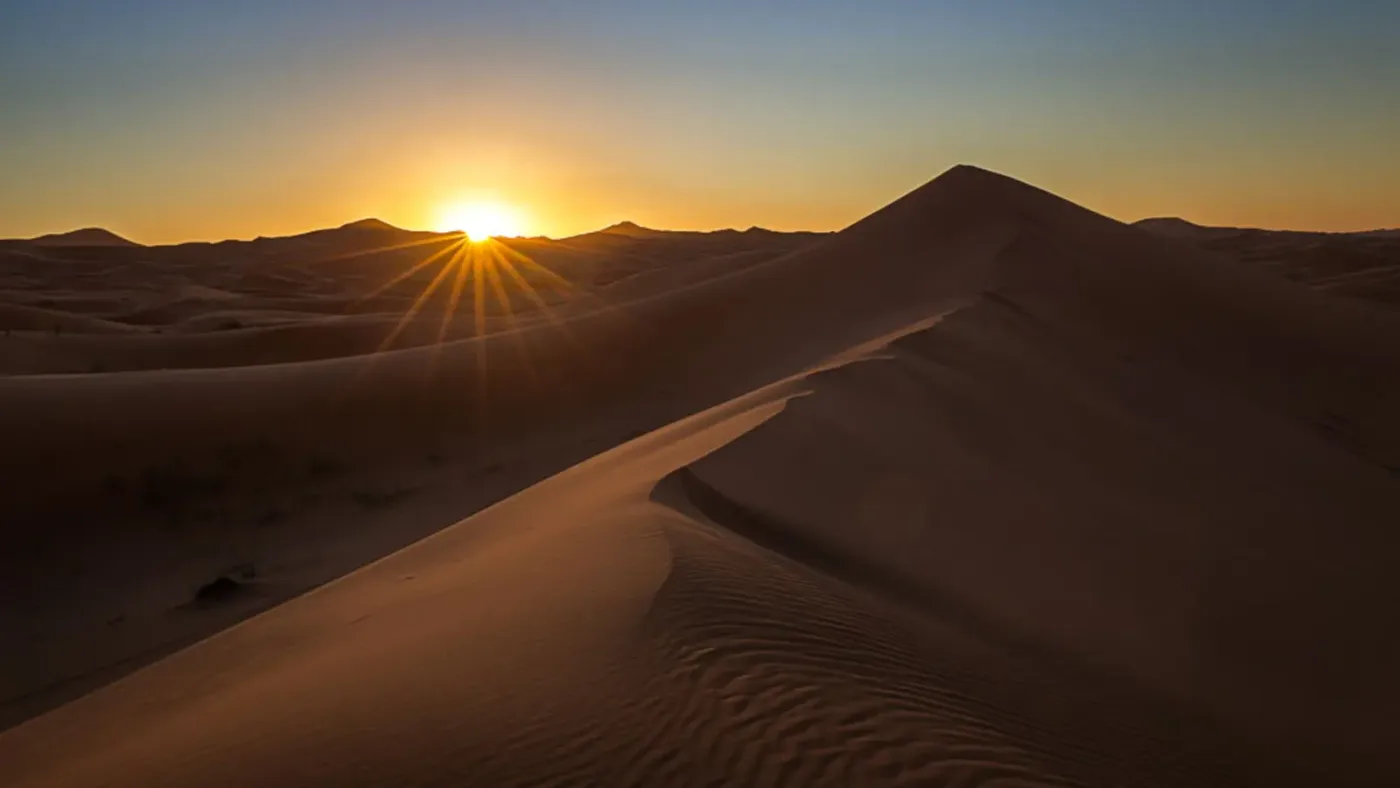
September is a transition month. The first weeks can remain hot inland, but temperatures gradually soften and the Atlantic Ocean stays warm. By late September, city touring and desert journeys become more comfortable.
This is a good month for combining beach time with Marrakech or a mountain itinerary. Desert programs should still avoid the hottest part of the day, especially early in the month.
October: One of the Best Months for the Sahara
October is among the finest months to visit Morocco. Days are warm rather than oppressive, evenings are pleasant in cities and desert conditions are excellent for camel journeys, trekking and camp stays.
The Atlas Mountains, southern valleys and imperial cities can fit comfortably into one itinerary. Demand is strong during this period, so confirm trusted guides, transport and accommodation in advance.
November: Mild Exploration and Cooler Desert Nights
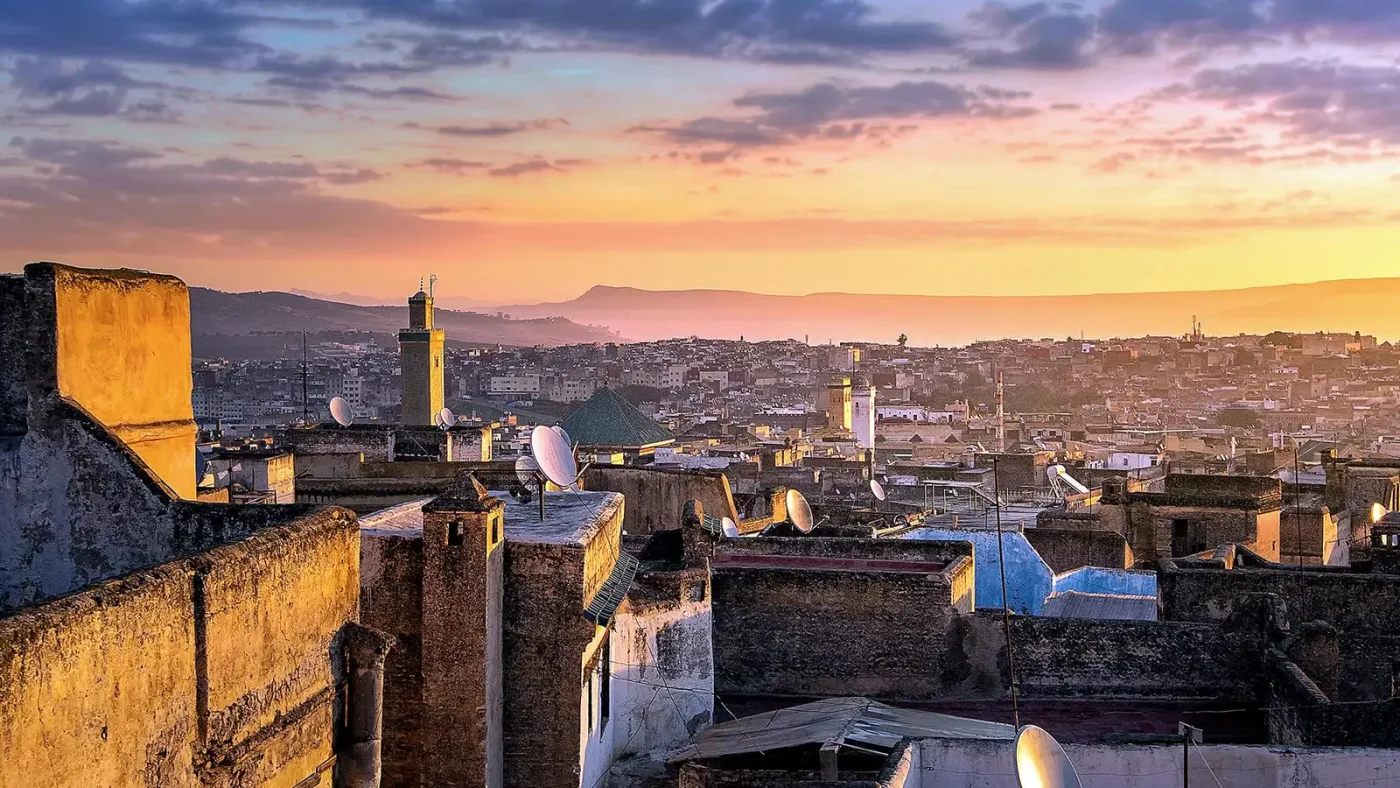
November brings mild daytime temperatures and a calmer atmosphere after the autumn peak. It remains a strong month for cultural touring and Sahara travel, though evenings become cold in the desert and mountains.
Northern Morocco receives more chance of rain, while the south is usually drier. Pack layers and a light waterproof jacket if your route includes several regions.
December: Winter Sun, Festivals and Cold Nights
December offers winter sunshine in southern Morocco and a festive atmosphere around the year-end holidays. Marrakech and the desert are popular, but temperatures fall quickly after sunset. Fes, Chefchaouen and northern areas can feel damp and cool.
Warm clothing is essential for desert camps, unheated historic buildings and mountain routes. Reserve early for the Christmas and New Year period, when flights and sought-after accommodation become busier.
How to Choose the Best Time for Your Morocco Trip
Choose your dates according to the experience you value most. For a first journey covering cities, mountains and desert, aim for April, May, October or early November. For the Atlantic coast, June through September provides the warmest beach conditions. For serious desert walking, favor November through March and prepare for cold nights.
Morocco's geography creates several climates within one country. A thoughtful itinerary can combine regions successfully in almost any season by matching the daily pace, accommodation and activities to local conditions.